Last updated October 31, 2026
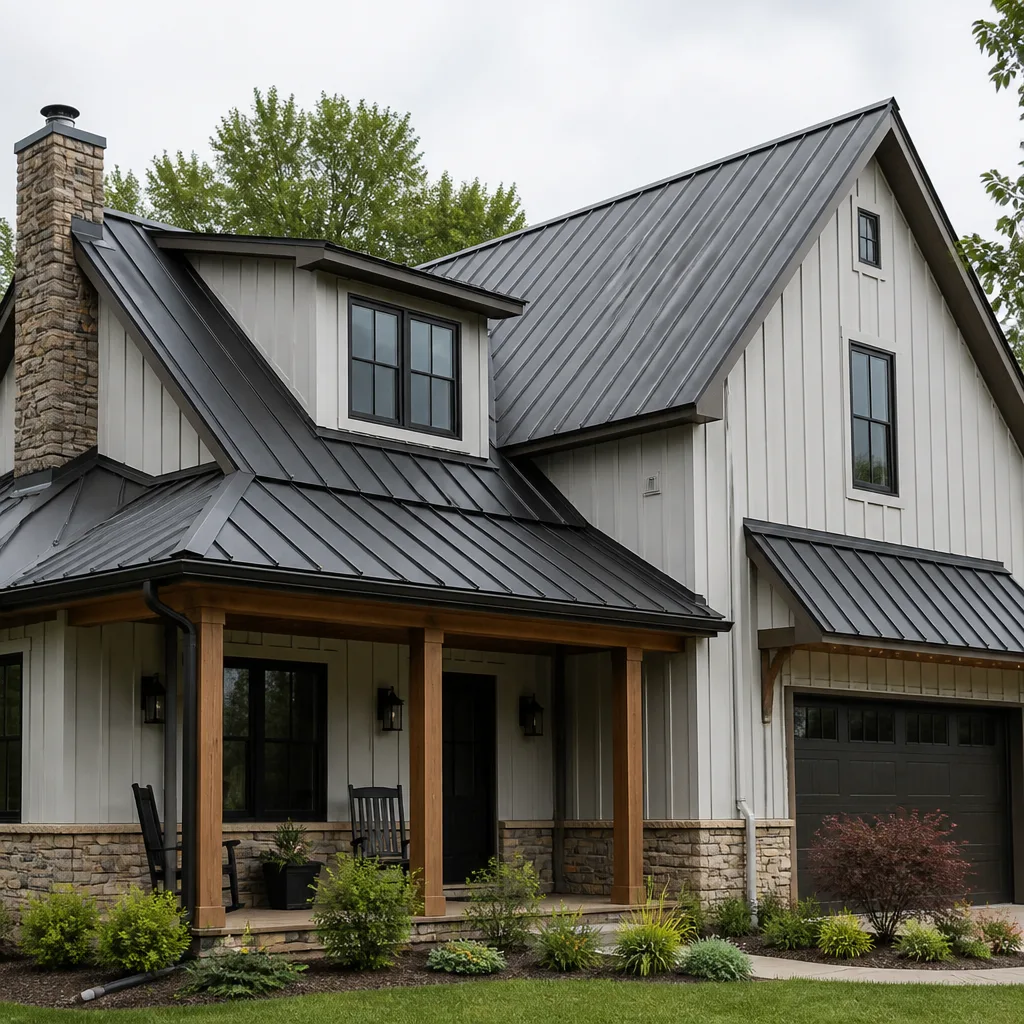 Metal roofing
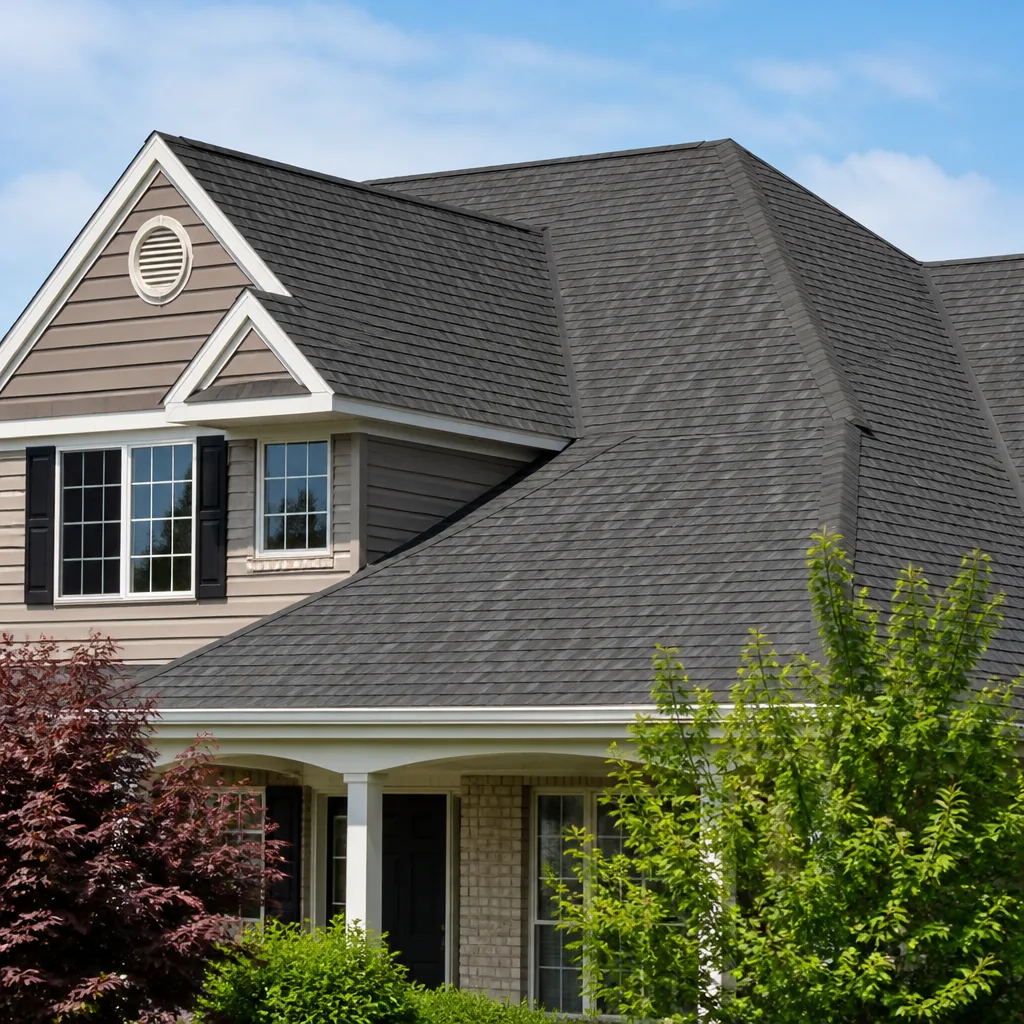 Architectural shingles
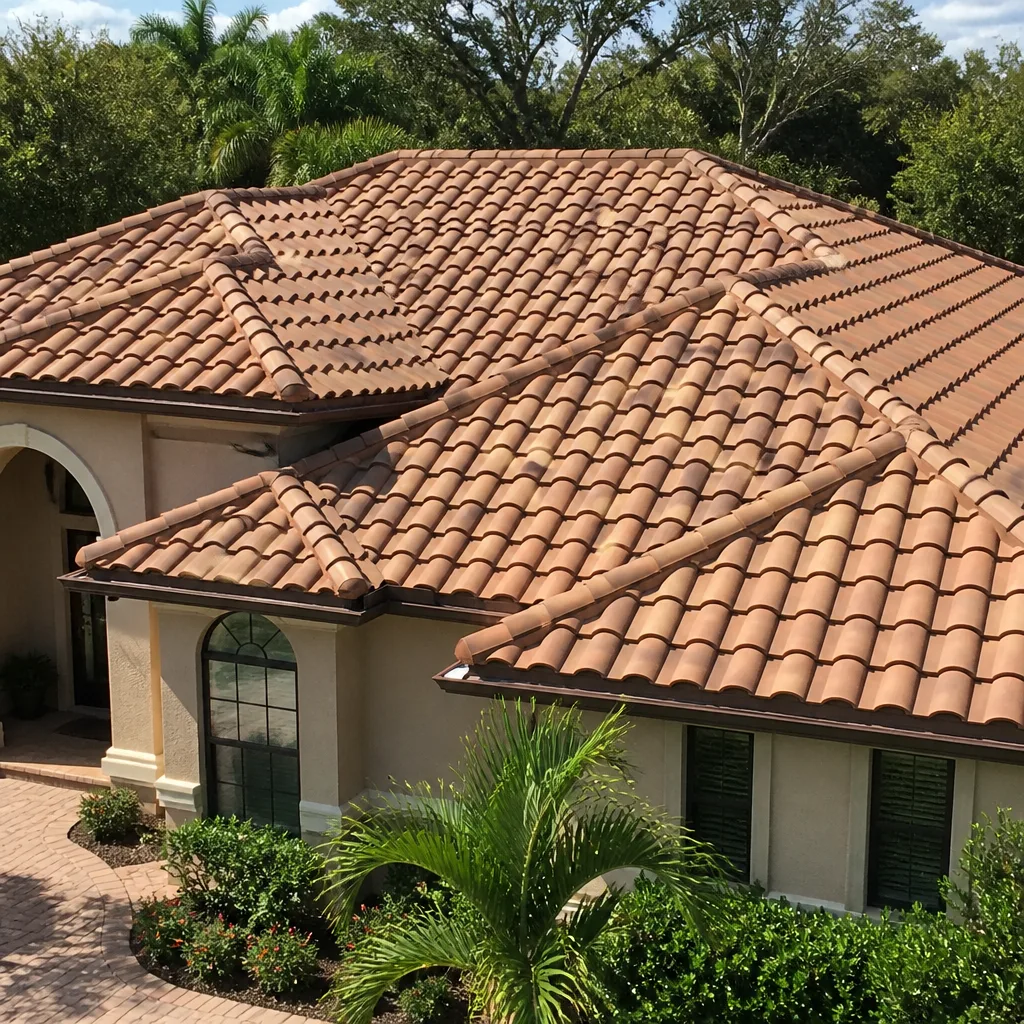 Tile roofing
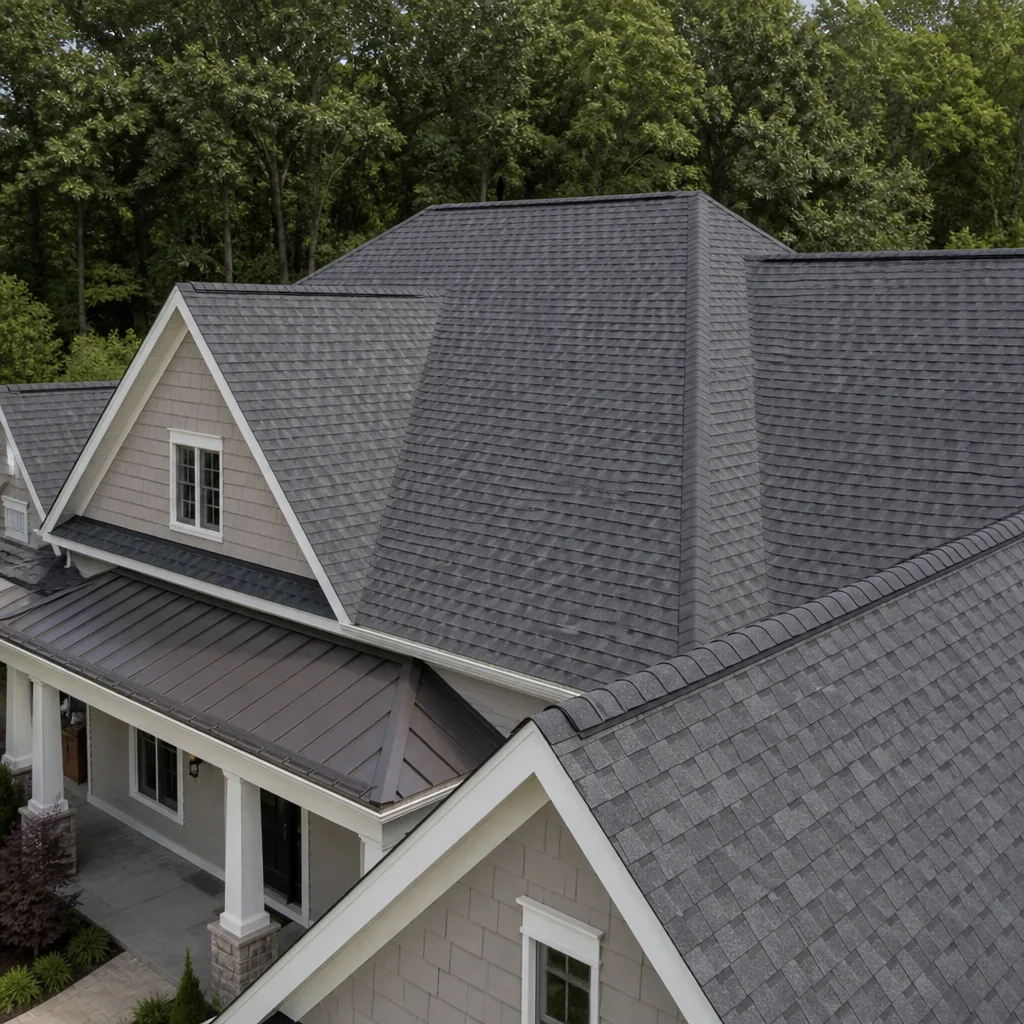 GAF
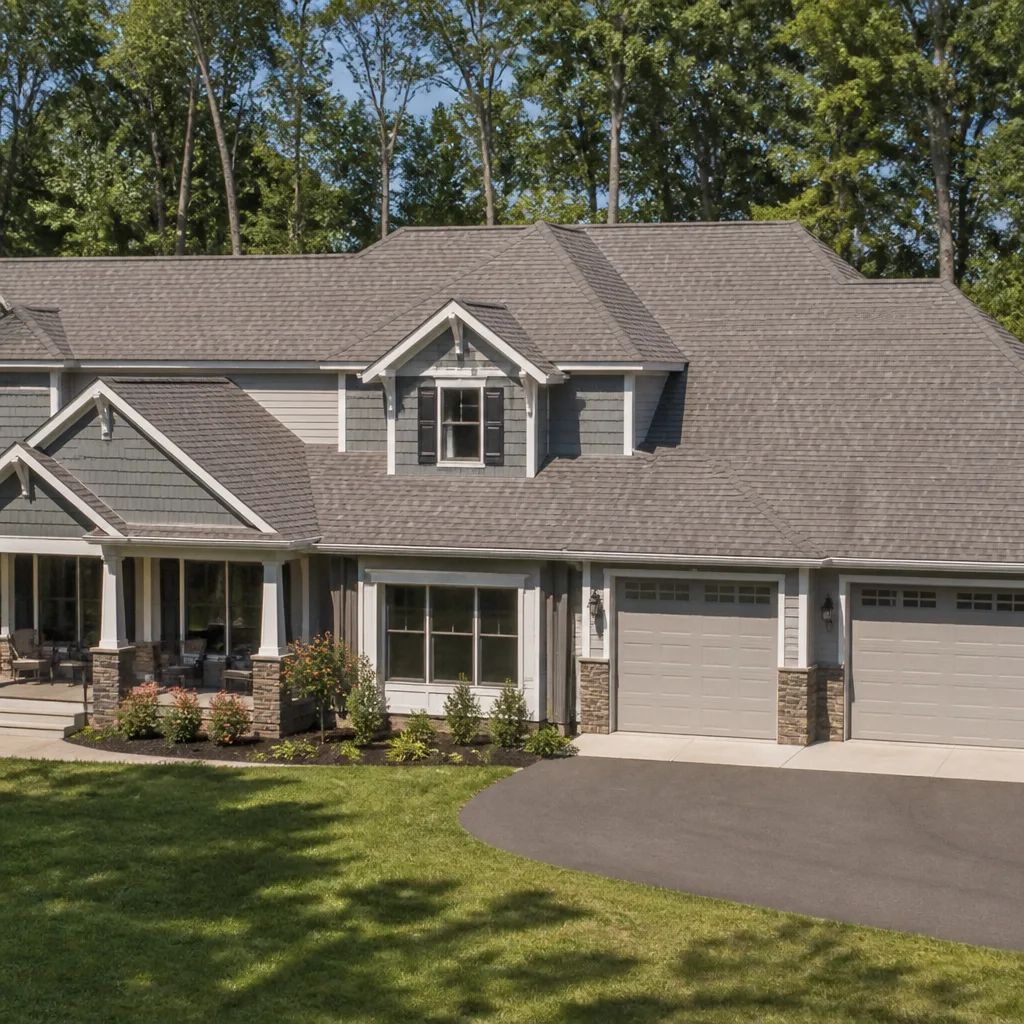 Owens Corning
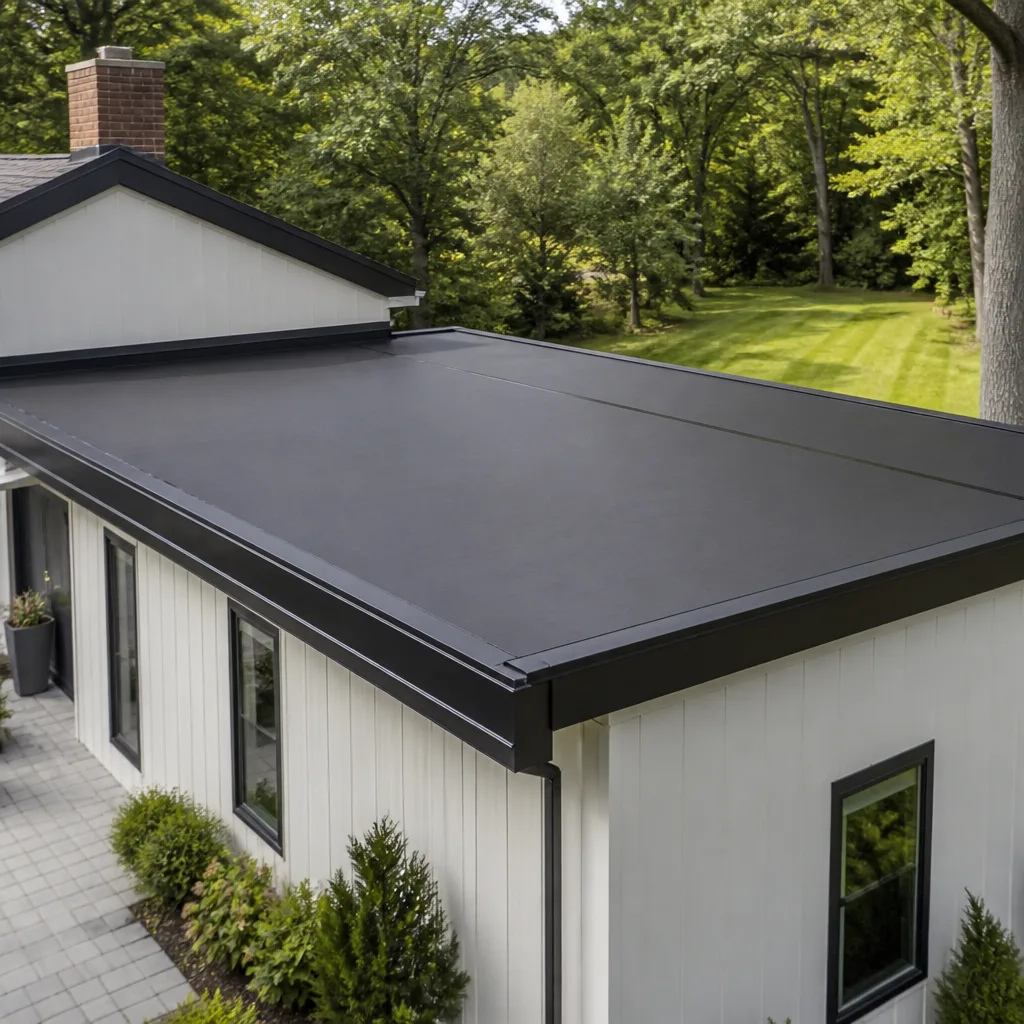 Flat & low-slope
Free roof inspection with deck photos before we talk money - GAF and Owens Corning certified installation
Choosing the Right Roofing Brand: A Buyer’s Guide for La Habra
There are over 40 asphalt shingle brands sold across Southern California, and most of them aren’t built for what La Habra dishes out. The spec that actually matters here – combined algae and UV resistance – knocks out roughly half of those brands before you even look at price. This guide cuts through the marketing tiers and warranty fine print to show you exactly which brands hold up under La Habra’s specific conditions, which ones don’t, and how to avoid the single-brand trap that costs homeowners thousands in unnecessary replacements. For a deeper dive into all your options, see our The Complete Guide to Roofing in La Habra.
Styles & brands we work with
Quick Answer
The best roofing brand for La Habra homeowners is the one matched to your specific exposure, budget, and warranty priorities – not the one your contractor happens to carry. Owens Corning, GAF, and CertainTeed all make shingles that perform well in La Habra’s dry heat and Santa Ana wind conditions, provided they carry a Class A fire rating, strong UV stabilizers, and – if you’re in a debris-exposure zone – a Class 4 impact rating. The brand decision should follow the material-type decision, not the other way around.
Table of Contents
- What La Habra’s Climate Actually Does to Roofing Materials
- The Three Specs That Matter Most in La Habra
- Brand-by-Brand Comparison: Owens Corning, GAF, CertainTeed, IKO
- Material Type vs. Material Brand: Which Decision Comes First
- How to Read a Roofing Warranty Honestly
- The Single-Brand Contractor Problem (And How to Spot It)
- Questions to Ask Before You Sign Anything
- Common Mistakes to Avoid
- When to Call a Professional
- Frequently Asked Questions
- The Bottom Line
What La Habra’s Climate Actually Does to Roofing Materials
La Habra sits in a transition zone where inland heat meets coastal influence. We get 280-plus sunny days a year, summer temperatures that routinely push into the 90s, and dry Santa Ana winds in the fall that carry grit and debris over rooftops. That combination – sustained UV exposure, thermal cycling, and wind-driven abrasion – is what kills roofing materials here. Not rain. Not snow. Sunshine and wind.
UV exposure is the slow killer. Shingles lose their protective oils under constant sunlight, which causes granule loss and brittleness over time. A roof in La Habra that faces south or west takes significantly more UV punishment than a north-facing slope on the same house. And when Santa Ana winds kick up, they don’t just stress the shingle seals – they carry sand and small debris that scours the granule surface, accelerating wear on whichever slope faces the wind corridor.
We also deal with a specific algae problem. The marine layer that rolls into north Orange County keeps rooftops damp in the morning hours, and that moisture plus warmth is exactly what blue-green algae needs to colonize asphalt shingles. You’ve seen the result: those black streaks that show up on roofs across La Habra, particularly on slopes that don’t get direct afternoon sun. Algae doesn’t immediately destroy a roof – but it traps moisture, looks bad, and shortens the shingle’s effective life if left alone.
All of this means the brand question isn’t academic. The wrong shingle in La Habra fails faster – not because it’s defective, but because it wasn’t engineered for this specific mix of UV, heat, and morning moisture.
The Three Specs That Matter Most in La Habra
Forget marketing tier names – “Architectural,” “Designer,” “Luxury” – those are sales categories, not performance data. Here’s what actually matters on a La Habra rooftop.
1. Class A Fire Rating (Not Optional in California)
California building code requires Class A fire-rated roofing for residential structures in most of the state, including La Habra. This is non-negotiable – if a shingle doesn’t carry a Class A rating per ASTM E108 or UL 790, it shouldn’t go on your roof. Most major brands’ asphalt shingle lines meet this standard, but you should verify the rating on the specific product line, not the brand as a whole. A brand’s budget line may carry a Class A rating while their mid-tier line also does – but don’t assume. Check the product data sheet.
2. UV Resistance and Granule Retention
This is where La Habra’s climate separates the real performers from the pack. UV stabilizers in the asphalt matrix prevent premature drying and cracking. Granule adhesion determines how long the shingle keeps its protective mineral surface. In practical terms, you want a shingle with high granule-embedment depth and a documented UV-stabilizer package. Owens Corning’s TruDefinition and GAF’s Advanced Protection lines both emphasize granule retention, and in our inspection work across La Habra, roofs with those granule-embedment specs tend to show less surface wear at the 8-10 year mark than generic alternatives.
3. Class 4 Impact Rating (For Debris-Exposure Zones)
If your home sits in a La Habra neighborhood with large mature trees, or in a wind corridor that catches Santa Ana debris, a Class 4 impact rating matters. This rating means the shingle withstood a 2-inch steel ball dropped from 20 feet without cracking. It’s a UL 2218 standard, and it matters in Southern California for a specific reason: it’s not hail that threatens most roofs here, it’s wind-driven branches and construction debris. A Class 4 shingle survives what a standard shingle won’t.
Here’s the honest truth: if you’re in a fully enclosed tract with no large trees within falling distance and no wind-corridor exposure, Class 4 is nice-to-have, not need-to-have. But if you’re in the hillside neighborhoods above La Habra or near any mature eucalyptus, it becomes a priority.
Brand-by-Brand Comparison: Owens Corning, GAF, CertainTeed, IKO
The table below compares four major brands across the specs that actually matter for a La Habra roof. This isn’t a marketing-tier comparison – it’s a performance-spec comparison. Use it as a starting point, not a final answer.
| Brand | Class A Fire Rating | UV / Granule Retention Strength | Class 4 Impact Availability | Algae Resistance (Copper Granules) |
|---|---|---|---|---|
| Owens Corning | Yes (most lines) | Strong – TruDefinition granule embedment | Yes – Duration Storm line | Yes – StreakGuard on select lines |
| GAF | Yes (most lines) | Strong – Advanced Protection line | Yes – Timberline AS II | Yes – StainGuard Plus on select lines |
| CertainTeed | Yes (most lines) | Strong – Landmark series granule retention | Yes – Landmark IR | Yes – StreakFighter on select lines |
| IKO | Yes (most lines) | Moderate – depends on product line | Yes – Nordic line | Limited – algae resistance varies by line |
Owens Corning
Owens Corning’s biggest strength for La Habra is granule embedment. Their TruDefinition process presses granules deeper into the asphalt, which matters in a climate where the sun is the primary wear agent. The Duration line is the workhorse – it’s a 40-year architectural shingle with strong wind ratings. For La Habra homes in debris zones, the Duration Storm carries a Class 4 impact rating. The one thing to watch: not all Owens Corning lines include algae-resistant granules, so if you’re on a north-facing slope or under morning marine-layer moisture, specify StreakGuard on the product.
GAF
GAF is the most widely installed brand in the U.S., which is both a strength and a weakness. The strength is that their Timberline line has a long track record and consistent spec performance. The Advanced Protection technology combines granule retention with UV stabilizers, which holds up well on La Habra’s south-facing slopes. The Timberline AS II carries a Class 4 impact rating, and StainGuard Plus addresses the algae issue. One note: GAF’s warranty structure – we’ll get into this below – is heavily tied to installer certification, which affects what’s actually covered.
CertainTeed
CertainTeed’s Landmark line is the premium-performance option among the major brands. The granule retention on Landmark shingles is strong, and the Landmark IR carries a Class 4 impact rating. CertainTeed also makes their algae resistance – StreakFighter – more widely available across price points than most competitors. For La Habra homeowners who want maximum long-term performance without stepping into specialty materials like slate or Spanish tile, CertainTeed Landmark is often the recommendation we land on for standard asphalt shingle replacements.
IKO
IKO is the value option among the four, and for some La Habra homeowners, that’s the right call. If you’re on a tighter budget and your roof has minimal sun exposure – say, heavily treed with dappled shade – IKO’s Cambridge line delivers adequate performance at a lower price point. The trade-off is granule retention and algae resistance, which don’t match the three brands above. IKO makes sense when the priority is cost and the exposure profile is forgiving. It makes less sense on a fully exposed south-facing slope in La Habra with a 20-year ownership horizon.
Material Type vs. Material Brand: Which Decision Comes First
This is the mistake we see most often with La Habra homeowners, and it’s the one that costs the most money. People walk into the process asking, “What brand should I get?” when the question should be, “What material type does my roof need?” If you’re weighing whether to tackle work yourself, our DIY vs Professional Roofing: The La Habra Homeowner’s Decision Guide breaks down what actually changes hands.
The material type is the big lever. Composite asphalt shingle, concrete tile, Spanish clay tile, standing seam metal, or a synthetic shake – each has a fundamentally different cost structure, lifespan, weight profile, and aesthetic character. The brand question only becomes meaningful after you’ve chosen your material. Choosing a brand first is like choosing a paint manufacturer before deciding whether you’re painting the interior or exterior of your house.
Here’s the decision order we walk through with homeowners at Roof Inspection in La Habra:
- Material type first. What does the home’s architecture call for? What does the structural framing support? What’s the ownership horizon? What does the La Habra HOA require, if applicable?
- Performance spec second. Based on exposure – sun direction, wind corridor, debris risk – what Class ratings and UV/impact specs are needed?
- Brand third. Which manufacturers make products in that material type that meet those specs, and where’s the best warranty-for-price balance?
When you approach it this way, the brand decision becomes almost mechanical. You’re not choosing between Owens Corning and GAF on vibes – you’re matching spec sheets to your specific roof profile, and the shortlist narrows itself.
How to Read a Roofing Warranty Honestly
Roof warranties are written by lawyers, and they’re structured to look more generous than they are. Here’s what La Habra homeowners need to know before a “lifetime warranty” influences their decision.
“Lifetime” almost never means your lifetime. Most “lifetime limited” shingle warranties cover the original purchaser for as long as they own the home, with coverage value depreciating on a prorated schedule. After year 10, most policies cover only a fraction of the material cost, and labor is almost never included after the initial coverage window closes.
The warranty is only as good as the installation. Every major brand requires installation by a certified contractor to activate the full warranty. This is the catch that nullifies more warranties than any defect does. If the installer isn’t manufacturer-certified, the warranty drops from “lifetime” to a basic 10- or 20-year limited policy. Ask your contractor to show you their manufacturer certifications – not just say they have them.
Workmanship is a separate warranty, and it comes from the installer, not the brand. If shingles blow off because they were nailed wrong, that’s on the installer. The manufacturer covers product defects; the contractor covers installation defects. Most installation failures come from improper nail placement, underdriven nails, or missed seams – all installer errors, all outside the manufacturer’s warranty. This is why the contractor’s own workmanship warranty matters as much as the shingle brand’s warranty.
Wind warranties have specific thresholds. If a shingle carries a 130-mph wind warranty, that covers the shingle if it tears or blows off at or below that wind speed – but only if the installation followed the manufacturer’s nail pattern exactly. Off-pattern nailing voids the wind warranty even if the shingle itself was fine.
The Single-Brand Contractor Problem (And How to Spot It)
Here’s the thing most brand guides won’t tell you: when you call a roofing contractor, you’re not getting a brand recommendation – you’re getting a distributor recommendation. Most contractors carry one, maybe two brands. That’s what their supply house stocks, that’s what their crews know, and that’s what they’ll pitch. The recommendation has nothing to do with your roof.
We stock and install seven brands – GAF, CertainTeed, Owens Corning, IKO, Atlas, Tamko, and Boral – specifically so that the material recommendation follows the job, not the warehouse. We’ll tell you exactly what your roof needs – and exactly what it doesn’t. That’s the whole reason we built the lineup that wide: so we never find ourselves trying to fit a CertainTeed-tile job into a GAF-shingle box.
Here’s how to tell whether your contractor is actually material-agnostic or just parroting their supplier:
- Ask what brands they install. If the answer is one brand with a lengthy justification for why it’s “the best,” you’ve found a distribution relationship, not a recommendation.
- Ask what the second and third options would be. A material-agnostic contractor can walk you through trade-offs between brands without disparaging any of them.
- Ask to see the spec sheets. Anyone recommending a specific shingle should be able to produce the product data sheet – not the marketing brochure, the technical spec sheet – and point to the ratings that matter: Class A fire, Class 4 impact, granule adhesion, wind threshold.
- Notice whether they ask about your roof first, or pitch a product first. The only order that makes sense is: property profile, exposure assessment, material decision, then brand match. If the product pitch comes before the roof assessment, you’re in a sales conversation, not a diagnostic one.
Questions to Ask Before You Sign Anything
These six questions will get you past the sales script and into the actual details that determine whether you’re getting a roof that holds up in La Habra conditions or a roof you’ll be fixing in six years.
- “What’s the Class A fire rating on this specific product line?” Don’t accept a brand-level answer. The rating lives on the product line spec sheet.
- “What’s the granule adhesion spec on this shingle?” This is the UV-wear proxy. If the contractor can’t find the spec, that tells you something.
- “Does this line carry algae resistance, and is it copper-infused or surface-coated?” Copper-infused granules are the durable algae solution; surface coatings wash off in a couple of seasons.
- “What’s the wind warranty threshold on this shingle, and what nail pattern does it require?” The answer should be specific. If it’s hand-wavy, get it in writing.
- “Are you certified by the manufacturer to install this line, and can you show me the certification?” A certified installer can also install items from a brand’s full catalog. An uncertified installer voids your warranty the day the roof goes on.
- “What’s the workmanship warranty, and who covers what?” Separate the two warranties: manufacturer covers product, contractor covers installation. Get both in writing.
These questions reveal more about your contractor than any review ever will. A competent roofer answers them in two minutes without looking anything up. If the questions trigger defensiveness or vague reassurances, get another quote. For what it’s worth, these are the questions we start every Roof Replacement in La Habra quote with – because if we can’t answer them about the shingle we’re recommending, we shouldn’t be recommending it.
Common Mistakes to Avoid
- Choosing a brand before choosing a material type. You’ll either underbuild or overpay. Asphalt shingle, concrete tile, and standing seam are three different conversations, and the brand question only matters within the category.
- Assuming “lifetime warranty” means lifetime coverage. Read the prorated schedule. After the initial non-prorated window closes, most “lifetime” warranties cover a shrinking fraction of material cost and zero labor. The warranty you’re counting on may be worth a couple hundred dollars by year 15.
- Trusting a contractor’s brand pitch without seeing their distributor relationship. A roofer who carries one brand is recommending their supplier, not your roof. Ask for alternatives and watch how they respond.
- Skipping the algae resistance spec. La Habra’s marine-layer mornings mean north-facing and shaded slopes are wet often enough to support algae. A shingle without copper-infused algae granules will streak within five years on those slopes.
- Ignoring wind-corridor exposure when Santa Ana season arrives. If your property sits in a wind corridor, that’s a Class 4 impact conversation. If you don’t assess for it, you’ll be repairing blow-offs every few years – and wind damage repairs are usually less than the deductible, so you’ll pay out of pocket.
- Hiring the lowest bidder without checking installer certification. An uncertified installer can put the best shingle in the world on your roof, and the warranty drops to the basic limited policy. You paid for a lifetime warranty and got a 10-year one.
- Overpaying for a premium tier when a mid-tier line meets the same specs. “Designer” and “Luxury” tiers are mostly aesthetics. If the Class ratings and granule specs match, the extra $3,000 for a premium marketing name buys you looks, not performance.
When to Call a Professional
If you’re seeing granule buildup in your gutters, shingles lifting near the edges, black algae streaks spreading on shaded slopes, or daylight showing through attic boards, those are signs that material and installation quality have already become urgent questions. If your roof is past 15 years old and you’re starting to plan a replacement, the brand decision starts with a full inspection that maps your sun exposure, wind corridors, and debris zones. That’s the only way to match a brand to your roof’s actual stress profile rather than a marketing brochure. We do this for free – Dauntless Roof Repair home inspections include a full exposure assessment and material-type walkthrough, and everything comes back as an itemized written estimate. If you’re in La Habra and want a straight answer about what your roof needs, call us at (844) 750-0317.
Frequently Asked Questions
For most La Habra homes, Owens Corning Duration, GAF Timberline, or CertainTeed Landmark all perform well – the best choice depends on your roof’s sun exposure, wind corridor risk, and budget. Our recommendation sequence is: assess the property, choose the material type, identify the required performance specs, then match the brand and line to those specs. Call (844) 750-0317 for a free estimate and we’ll walk you through the full assessment.
In La Habra, a full tear-off and replacement with architectural asphalt shingles generally runs $9,000 to $18,000 depending on square footage, roof complexity, and material line. Concrete tile replacements run higher, and standing seam metal runs higher still. The brand choice typically shifts cost by 10-20% within a material type, not the 2-3x difference you’ll see between material types. Call (844) 750-0317 for an exact quote – estimates are free and itemized by line.
Only if your roof sits in a wind corridor or under large trees that shed branches during Santa Ana events. A Class 4 shingle withstands a 2-inch steel ball dropped from 20 feet, which translates to real-world protection against wind-driven debris. In fully enclosed tracts without tree cover, Class 4 is optional – the difference matters only when debris actually hits your roof.
In most cases, yes. Manufacturer warranties are tied to installer certification, and installing a shingle with the wrong nail pattern or technique voids the wind warranty and drops the material warranty to the basic limited policy. Always ask to see the installer’s manufacturer certification before signing anything, and ask for a written workmanship warranty from the contractor directly.
The honest answer is that La Habra’s UV exposure and temperature swings cause most asphalt shingles to fail before their stated warranty life. A 40-year shingle in a mild climate may last 30-plus years in La Habra’s sustained sun, unless it has strong granule embedment and UV stabilizers – which is exactly why the spec matters more than the brand name or the warranty claim.
Multiple brands, without question. A contractor with a single-brand relationship is recommending their distribution channel, not your roof. A contractor who carries several brands can match the product to the job’s actual requirements – the budget, the exposure, the warranty priority – rather than trying to stretch one product line to fit every property they quote. Seven brands. One honest recommendation.
Both. We offer three core services – roof inspection, roof repair, and full roof replacement – so whether your roof needs a targeted fix or a complete tear-off, the same crew owns the job from first assessment to final nail. For details on spotting problems early, read The Complete Roof Repair Guide for La Habra Homeowners. One point of contact from first inspection through final installation – no hand-offs to separate contractors.
The Bottom Line
The best roofing brand for your La Habra home is the one matched to your specific property profile – not the one in the contractor’s warehouse. Start with the material type, identify the Class A fire rating, UV resistance, and Class 4 impact needs based on your sun exposure and wind corridor, then let the brand decision follow from there. Verify installer certification before signing anything, read the warranty’s prorated schedule honestly, and treat any single-brand pitch as a distribution relationship, not a recommendation. We carry seven brands – GAF, CertainTeed, Owens Corning, IKO, Atlas, Tamko, and Boral – so our only recommendation is the one that fits your roof. Roof Repair in La Habra starts with an honest assessment, and repair is always the first option we consider. From first inspection to final nail, one crew owns the job. Call (844) 750-0317 to schedule your free estimate.
Written by the team at Dauntless Roof Repair, serving La Habra since 2017. Explore more guides & resources on protecting your roof.
See the difference
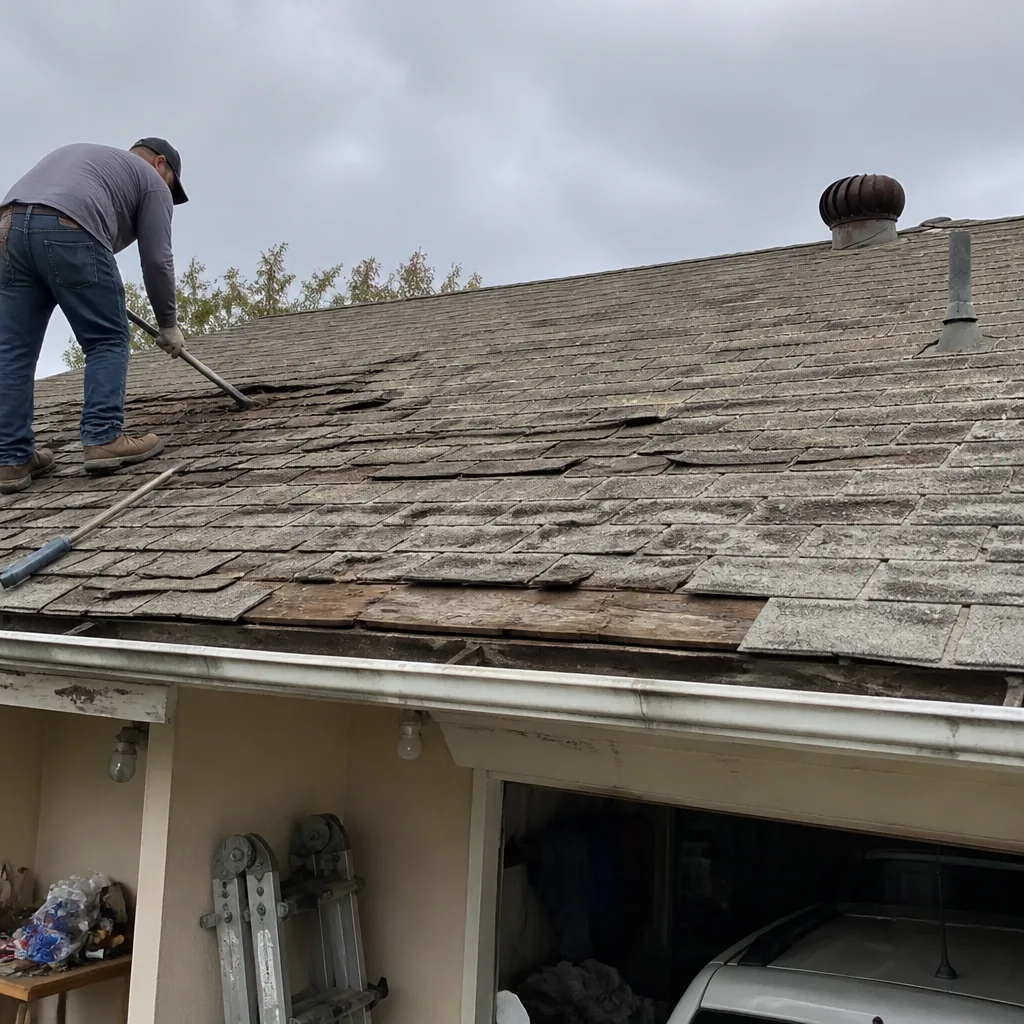 Before
 After
 Before
 After
 Before
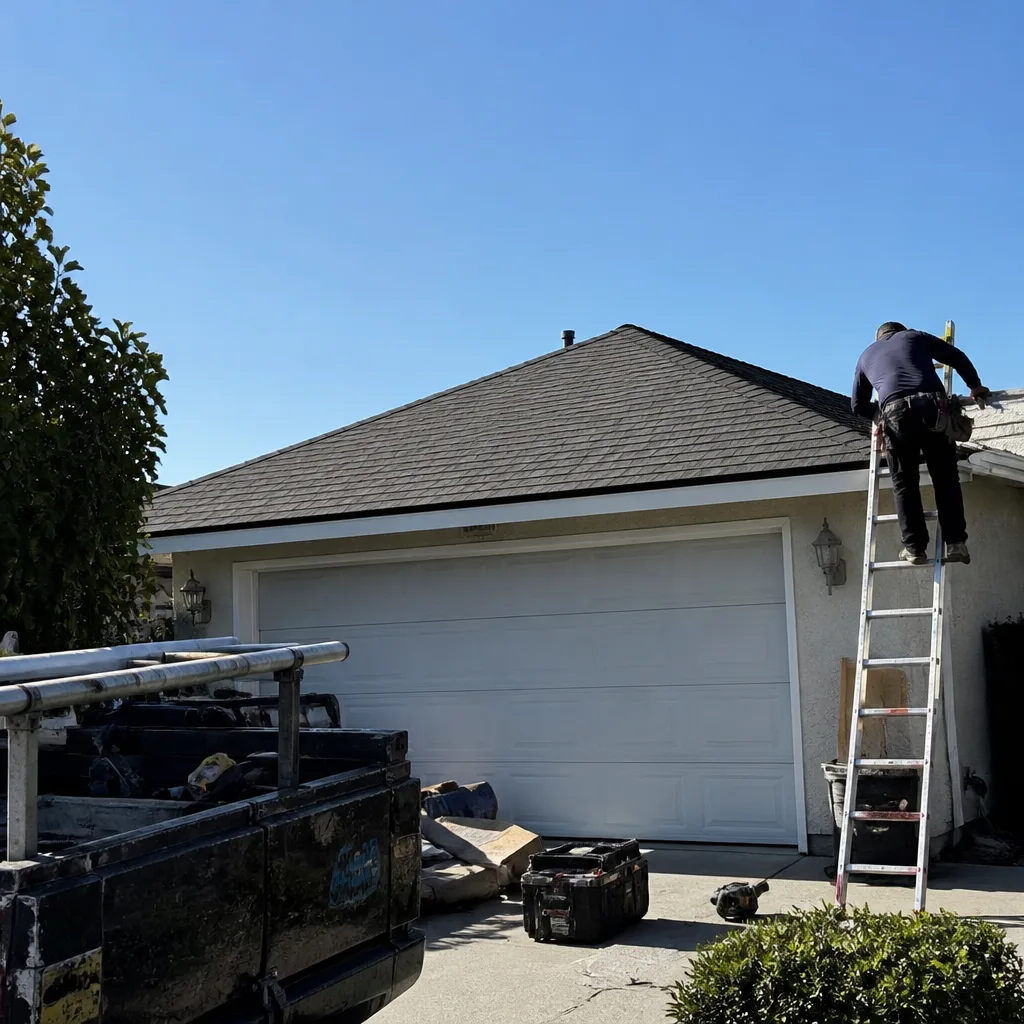 After