
Last updated October 31, 2026
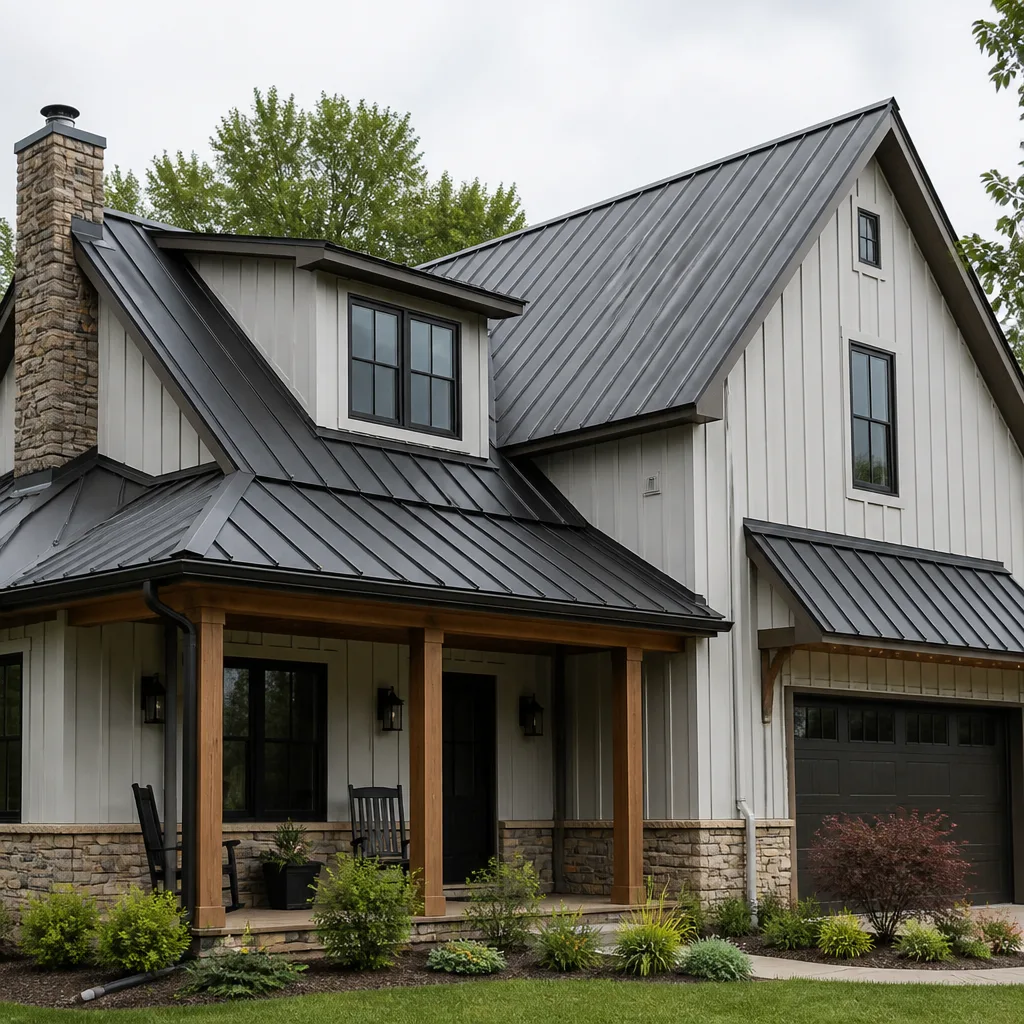 Metal roofing
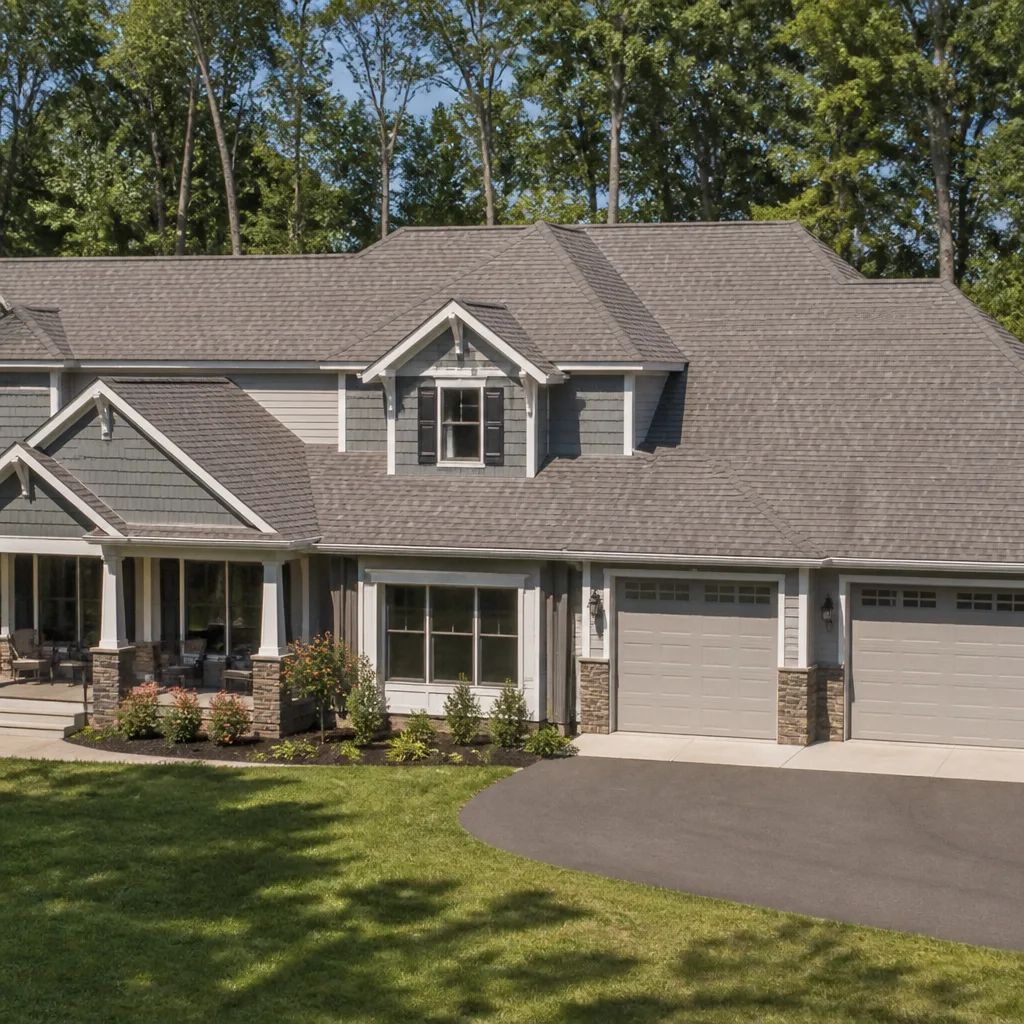
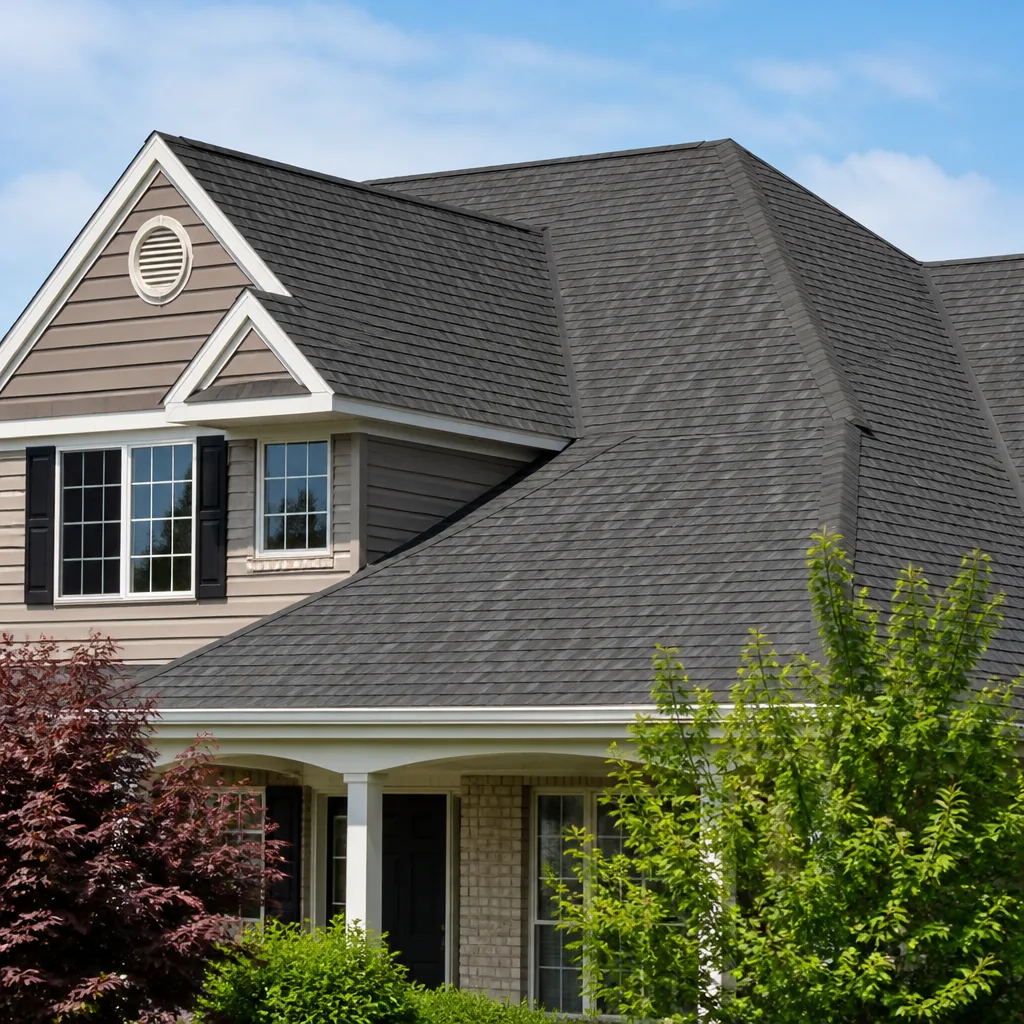 Architectural shingles
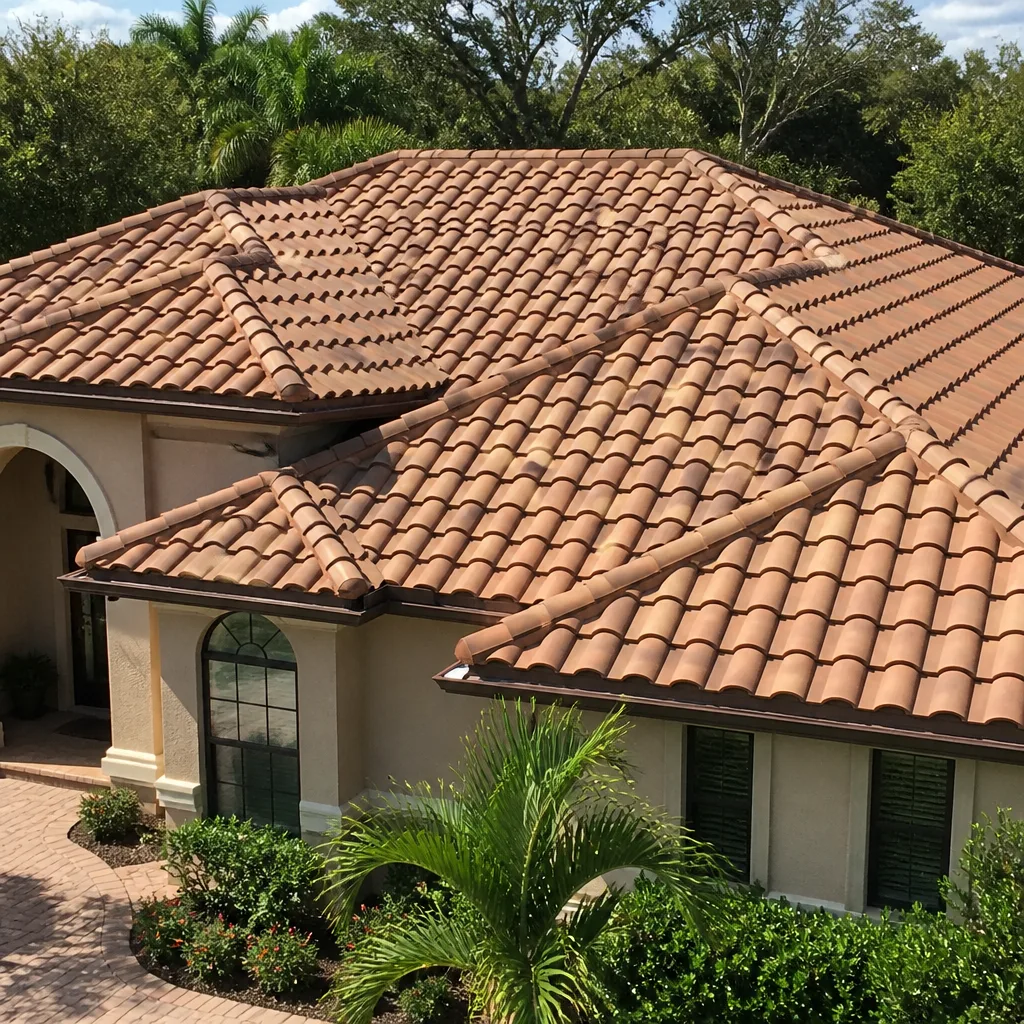 Tile roofing
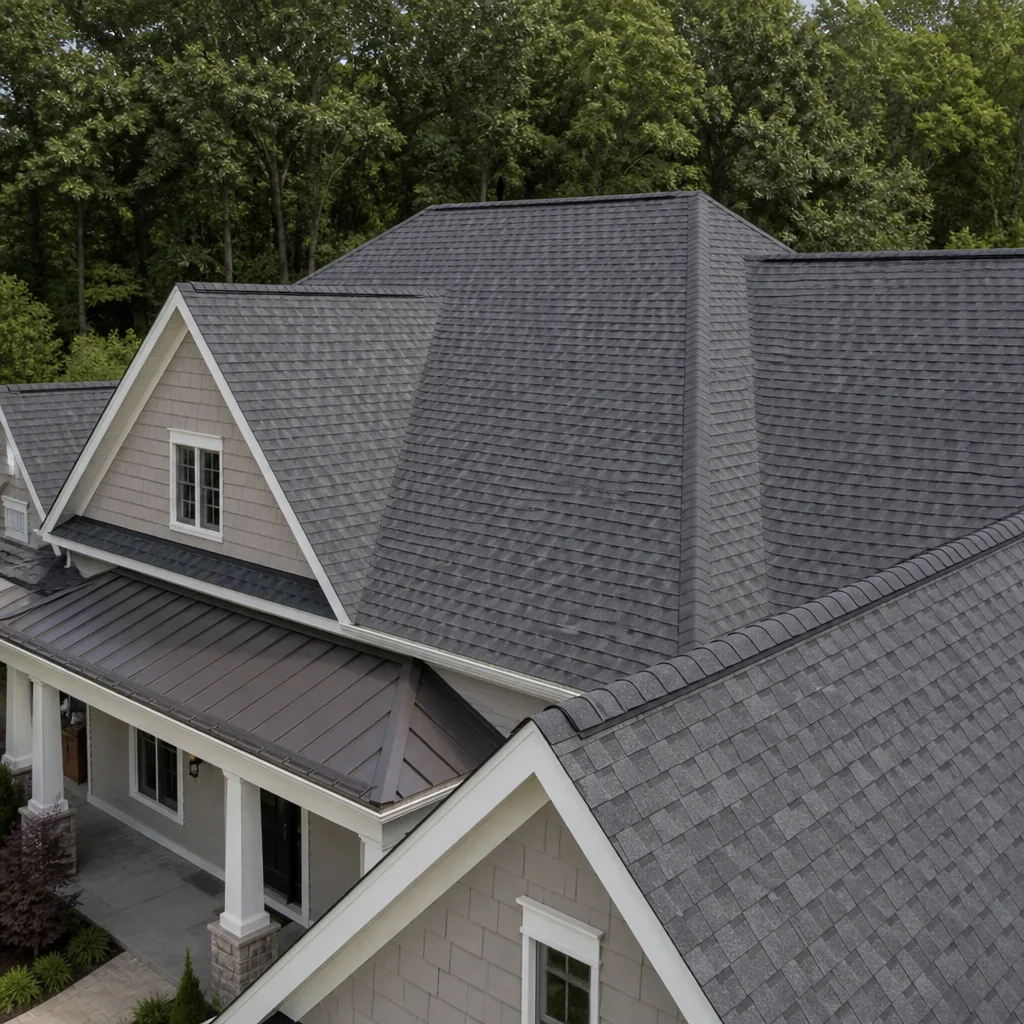 GAF
 Owens Corning
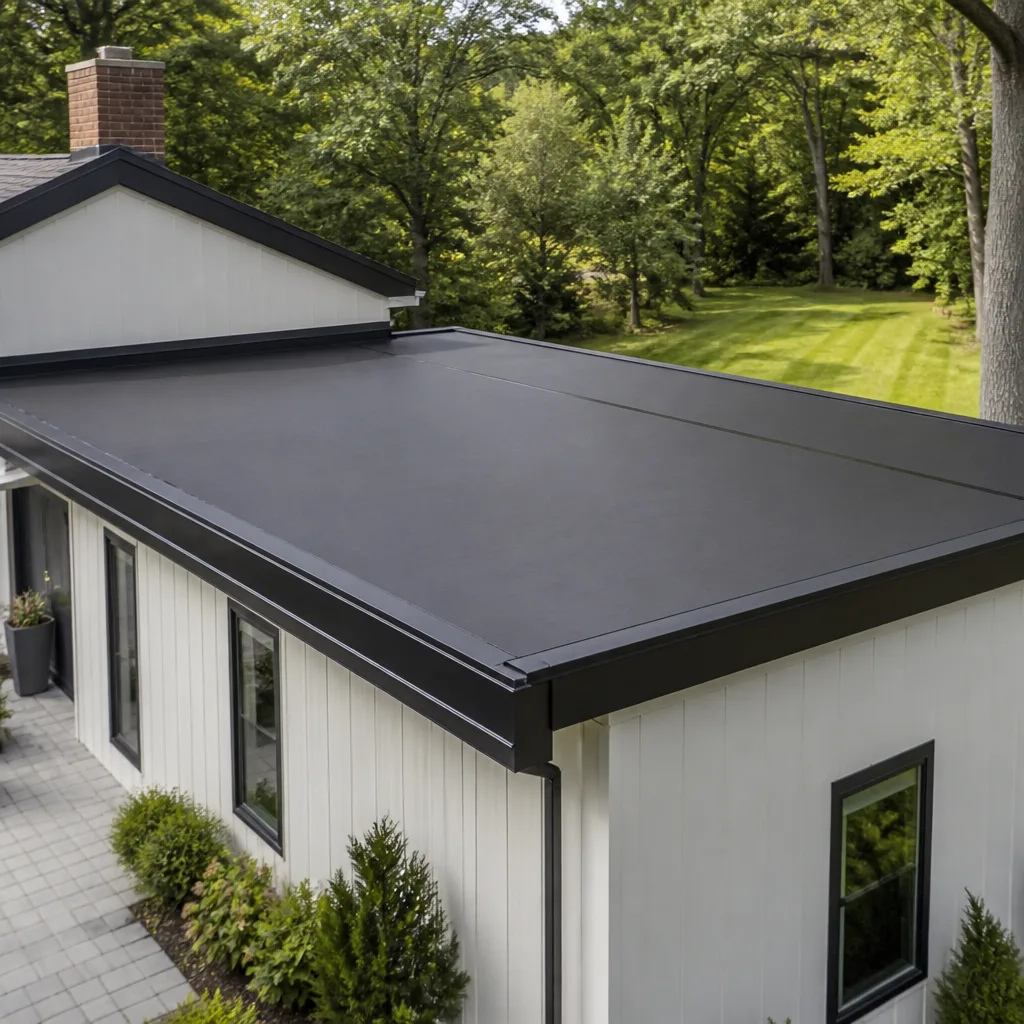 Flat & low-slope
Free roof inspection with deck photos before we talk money - GAF and Owens Corning certified installation
The Complete Guide to Roofing in La Habra
La Habra sits at roughly 400 feet elevation where marine layer moisture stalls against the Puente Hills and Santa Ana winds funnel through Whittier Narrows. Those two forces, working together over decades, age a roof faster than most contractors in the region account for. This guide is the resource we wish every La Habra homeowner had before they spent a dollar on roofing, whether that dollar went to a patch job, a full tear-off, or a second opinion on someone else’s work, and you can find more guides & resources on our blog. You’ll learn how our microclimate actually stresses your roof, which materials survive it, what permits actually cost in this city, and how to read an estimate without getting taken.
Styles & brands we work with
Quick Answer
Roofing in La Habra means choosing materials and repair strategies built for two conditions at once: UV-heavy inland heat and marine layer moisture that burns off by midday. Expect a full replacement on a typical 1950s-1980s ranch home to run $12,000 to $22,000 depending on material, with tile at the higher end and architectural asphalt in the middle. The most important decision isn’t shingle color; it’s whether you fix what’s failing or replace what’s finished, and that starts with a proper inspection, not a sales call. For help with that choice, see DIY vs Professional Roofing: The La Habra Homeowner’s Decision Guide.
Table of Contents
- La Habra’s Roofing Climate: What Actually Wears Roofs Here
- Material Choices That Survive Santa Ana Winds and Marine Layer Moisture
- Full Lifecycle Cost: The Four Roof Types on La Habra Homes
- City of La Habra Permits: The Process (and What Neighboring Cities Do Differently)
- How to Read a Roofing Estimate for La Habra Conditions
- What Roof Damage Looks Like on La Habra Homes
- Repair vs. Replacement: A Candid Framework
- Common Mistakes to Avoid
- When to Call a Professional
- Frequently Asked Questions
- The Bottom Line
La Habra’s Roofing Climate: What Actually Wears Roofs Here
La Habra doesn’t get the coastal fog that keeps Long Beach roofs moist for hours every morning, and it doesn’t get the extreme desert swings of Palm Springs. What it gets is a specific, repeatable pattern: moisture rolls in overnight from the marine layer, settles on roof surfaces, then burns off fast under intense morning sun. That daily wet-dry cycle is what breaks down roofing materials at a pace coastal contractors underestimate.
The elevation band matters. At 400 feet, La Habra sits right at the edge of where marine layer reliable, meaning roofs here get the moisture without the all-day overcast that moderates temperature. A roof in Seal Beach might see 20-degree daily temperature swings. A roof in La Habra can see 40-degree swings in spring and fall, and that thermal cycling is what causes expansion and contraction failures at flashing points, vent boots, and valley seams.
Then there are the Santa Ana events. Wind speeds in La Habra during a strong Santa Ana typically peak between 40 and 55 mph, with gusts through the Whittier Narrows corridor sometimes reaching higher. Those winds don’t just rip shingles off, they drive fine dust and debris under edges and into seams, accelerating the wear and tear on sealant beads and underlayment. In our experience, a roof that would last 25 years in a coastal Orange County town may realistically last 18 to 20 in La Habra, not because of neglect, but because of the specific combination of forces at play.
Material Choices That Survive Santa Ana Winds and Marine Layer Moisture
Not every asphalt shingle handles La Habra conditions the same way, and not every “premium” upgrade is a good use of money here. The material conversation should start with what fails first in this specific climate: the adhesive bond between shingle layers, the flashing at penetrations, and the underlayment that sits between the visible surface and the deck.
For asphalt shingle roofs, the brands that consistently hold up in La Habra’s wet-dry cycle are those with high wind ratings (110 mph or better) and algae-resistant granules. CertainTeed’s Landmark line and Owens Corning’s Duration series both perform well here, as do Atlas shingles. The common thread is a reinforced nail strip that reduces the chance of wind blow-off during Santa Ana events. Any shingle you consider should carry at least a 110 mph wind rating; a 130 mph rating is better if your home sits on a ridgeline or in an exposed Hillcrest-area pocket.
For homeowners who want a material that essentially ignores the marine layer moisture issue, concrete or clay tile is worth considering. Tile roofs on Spanish and ranch-style homes throughout La Habra, especially in the older neighborhoods north of Whittier Boulevard, have been performing well for decades. The tile itself shrugs off moisture and UV, but the underlayment beneath it still ages, and that’s what gets overlooked. IKO and CertainTeed both manufacture underlayment systems that outperform the old 30-pound felt historically used on La Habra tile roofs.
Standing seam metal is the wildcard. If properly installed with continuous eave-to-ridge panels and concealed fasteners, it handles both Santa Ana winds and thermal cycling better than any shingle or tile system. The trade-off is cost, and the fact that older La Habra homes may need additional structural evaluation before a heavier metal system is appropriate.
Full Lifecycle Cost: The Four Roof Types on La Habra Homes
Price per square foot is a lousy way to buy a roof. The number that matters is what the roof costs per year you’ll actually live under it. Here are the four roof types we see most on La Habra’s housing stock, with realistic 2025 pricing for this market and the lifespan you can honestly expect under our conditions.
- Three-tab asphalt shingle: $9,500 – $13,000 installed on a 1,500 – 1,800 sq ft ranch. Lifespan in La Habra: 12 – 18 years. Low upfront cost, but the sealant strips fail faster under our wet-dry cycle, and wind damage is common during Santa Anas. Best for short to medium-term plans.
- Architectural asphalt shingle: $12,000 – $18,000 installed. Lifespan: 20 – 28 years with proper ventilation. The best value for most La Habra homes. Higher wind ratings, thicker profile, and the reinforced nail strips make a real difference in our conditions.
- Concrete or clay tile: $22,000 – $38,000 installed. Lifespan: 35 – 50 years for the tile itself, but underlayment typically needs replacement at the 20 – 25 year mark at a cost of $4,000 – $8,000. The right choice for homeowners who want one-and-done and have the structural support.
- Standing seam metal: $25,000 – $42,000 installed. Lifespan: 40+ years. Metal handles La Habra’s thermal cycling better than anything else, but the initial cost is significant, and panel quality varies widely by manufacturer.
The honest math is this: a mid-grade architectural asphalt roof on a typical La Habra ranch runs about $600 – $750 per year over its expected life. A tile roof runs about $650 – $850 per year once you factor in the underlayment replacement at the halfway mark. The differences aren’t dramatic, but the tile roof also gives you better long-term durability against Santa Ana wind events and better resale appeal in La Habra’s older-home market.
City of La Habra Permits: The Process (and What Neighboring Cities Do Differently)
La Habra’s Building Division requires a permit for roof replacements and for repairs that exceed 10% of the roof area. That threshold is specific. A small patch job on a few damaged shingles doesn’t require a permit. Replacing a full slope, or any repair that touches the underlayment across a meaningful portion of the roof, does.
The process here is straightforward but has quirks. Permit applications go through the City of La Habra Building Division, and as of 2025, the city processes most roofing permits within 5 to 10 business days for straightforward reroofs. You’ll need a building permit application, a roof plan indicating materials and fastening method, and compliance with California’s Title 24 cool roof requirements if the new roof is lighter in color or uses specific reflective materials.
Where La Habra differs from neighboring cities matters if you’ve heard confusing advice from friends in other towns. Fullerton requires re-roofing permits through its own Building Division but processes them faster, often 3 to 7 business days. Brea enforces stricter Title 24 compliance for homes in hillside zones, with additional fire zone requirements that La Habra only applies in very limited areas near the West Coyote Hills. If you live in an unincorporated pocket adjacent to La Habra, you may be under county jurisdiction instead, and permit timelines and fees vary.
The key rule: any reputable roofing contractor doing work in La Habra should pull the permit themselves and include it as a line item on the estimate. If a bid says permits are “included but handled later,” or asks you to pull the permit yourself to save money, walk away. The permit protects you, not the roofer.
How to Read a Roofing Estimate for La Habra Conditions
Most roofing estimates are written to be opaque. They list line items without enough specificity to compare one bid against another, and they omit the exact things that matter most in La Habra’s climate. Here’s what should be on every estimate for a roof in this city, and what its absence tells you.
- Underlayment type and brand, not just “waterproofing.” If an estimate says “synthetic underlayment” without a brand name, ask for it. CertainTeed, IKO, and Owens Corning all make specific underlayment products with dramatically different performance. La Habra’s marine layer moisture means this layer is doing more work than it would in Phoenix.
- Wind rating for the actual shingle or tile being installed. Not the manufacturer’s maximum rating; the specific product’s rating. If the line item just says “architectural shingle,” you can’t tell if it’s a 110 mph product or a 90 mph product. In La Habra, anything under 110 mph is a risk during a Santa Ana.
- Fastener type and count. The estimate should specify nails (not staples), their gauge, and the nailing pattern. Six nails per shingle is standard for high-wind areas; four nails is common where wind isn’t a factor. La Habra is a high-wind area. If the estimate doesn’t say “six nails,” ask why.
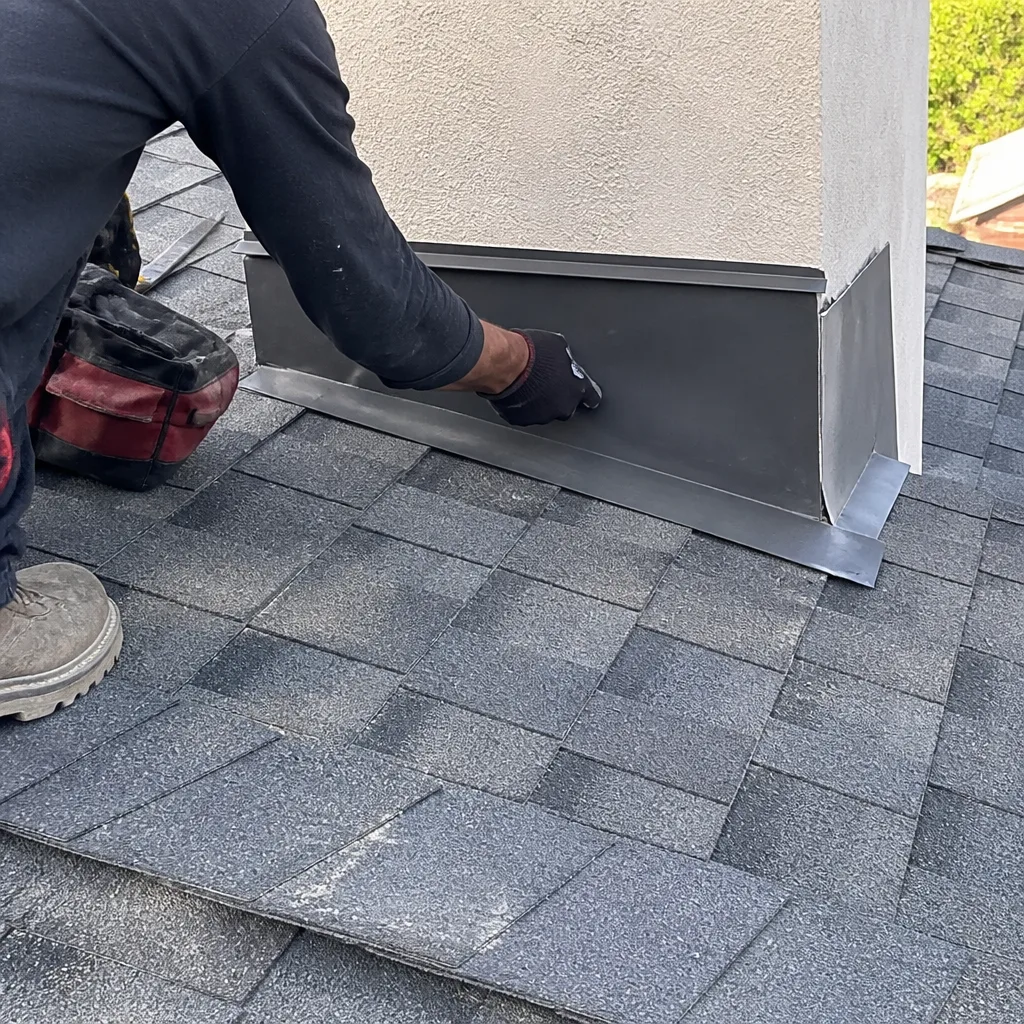
- Flashing replacement, not just “flashing repair.” The single most common leak point on La Habra homes is where the roof meets a chimney, wall, or pipe penetration. An estimate that budgets $200 for “flashing as needed” is an estimate that will hit you with change orders. The estimate should specify new flashing at all penetrations, with material and gauge.
- Ventilation assessment and remediation. La Habra roofs fail early when attic spaces don’t breathe correctly. An estimate should include a line for intake and exhaust ventilation, and if it doesn’t, the contractor isn’t accounting for the thermal cycling we described earlier.
- Removal, hauling, and disposal. This should be a firm number, not an allowance. It’s the easiest place for a low bid to hide a mid-job upcharge.
- Permit fees, with the actual cost listed. La Habra’s roofing permit fees are what they are; an honest estimate shows the number, not “permits extra.”
Red flags on an estimate are the same everywhere but read differently in La Habra: a bid that’s 30% below the next one, an estimate with no product names, a contractor who wants a large deposit upfront (California law caps deposits at 10% or $1,000, whichever is less), and any bid that pushes you toward “a limited-time price” before the deck has been inspected.
What Roof Damage Looks Like on La Habra Homes
Roof damage in La Habra doesn’t announce itself. It accumulates. By the time you see a water stain on the ceiling, the failure point has usually been active for months, sometimes years. Here’s what to look for, specific to our conditions.
During Santa Ana season, walk your property after any wind event over 35 mph. Look for shingles on the ground or in the yard, even one or two. Shingles that blow off during a Santa Ana are almost always a sign that the sealant strip has already failed and the remaining shingles are at risk. This is the single most common post-storm discovery on La Habra homes, and it’s also the most frequently dismissed as “just one shingle.” It’s rarely just one shingle.
After marine layer mornings, check your attic. Put a flashlight on the underside of the roof deck and look for dark staining at the eaves and ridge. Condensation from the marine layer tends to collect in those two zones first, and if your ventilation isn’t working, that moisture is trapped. This is how roofs in La Habra rot from the inside out, and it’s a failure mode that has nothing to do with the shingles you paid for.
Finally, check the flashing. Here’s what to check, in order: the chimney cricket and counter-flashing, the pipe boot around plumbing penetrations, the step flashing where the roof meets the garage wall, and the valley metal where two slopes meet. If the caulk or sealant bead around any of these has cracked, shrunk, or pulled away from the surface, that’s your next leak. In La Habra, the wet-dry cycle causes continuous expansion and contraction at these exact points, and a sealant bead that was watertight two years ago may not be watertight now.
Repair vs. Replacement: A Candid Framework
Most roofing companies in La Habra want to replace your roof. Their pricing models are built on full tear-offs, and their crews are optimized for big jobs. We’ll tell you what your roof actually needs, and part of that is giving you the framework to make the call yourself, as detailed in The Complete Roof Repair Guide for La Habra Homeowners.
Here’s the decision process we use, and you can use, on any La Habra roof:
- Age test: Take the age of the roof. Under 10 years: repair is almost always the right call, unless there’s a systemic failure. Ten to 18 years: repair if the damage is localized and the shingles still have granule coverage. Over 18 years: replace unless the damage is truly minimal and the roof has been well maintained.
- Granule test: Go up with a ladder, or have someone do it safely. Run a hand across the shingle surface in the valley. If granules come off easily and the shingle feels thin, the UV degradation and thermal cycling have done their work. Repairing a roof with degraded granules is like patching a wet paper bag.
- Damage pattern test: If the damage is localized, one slope, one penetration, one valley, repair is viable. If the damage is on multiple slopes, or you’ve had three or more leaks in different areas within a year, the roof is telling you it’s reached the end of its service life.
- Moisture test: If there is any evidence the underlayment has been compromised by marine layer moisture, that’s a different conversation. Underlayment failure is not repairable in place. It’s a replacement situation, and deferring it only makes the structural risk worse.
What you should not do is let a contractor’s preference drive the decision. A full replacement is always more profitable for the roofer, and some companies won’t even bid repairs. If you’re told “we only do full replacements,” you’re not being diagnosed, you’re being sold.
Common Mistakes to Avoid
- Relying on a single bid without reading the line items. La Habra homeowners who take the lowest bid without checking what’s included almost always end up paying more after change orders. A low bid that’s light on underlayment, flashing, and ventilation is a $4,000 surprise waiting to happen.
- Delaying a roof after a Santa Ana wind event. Missing shingles create entry points for debris and moisture. Within weeks, the exposed underlayment starts degrading, and the next rain leaks into the attic. We see this sequence every year.
- Overlooking the underlayment on a tile roof. Tile itself can last 50 years, but the underlayment beneath it is the waterproofing layer, and it fails at 20 to 25 years in La Habra’s marine layer climate. If your tile roof is old, the issue is what’s underneath, not what’s on top.
- Paying the full amount before the job is done. California law caps progress payments and requires contractors to follow specific rules on deposits and milestones. Never pay more than the work completed, and never pay a deposit over 10% or $1,000, whichever is less.
- Skipping the permit because a contractor says it’s faster. Permit avoidance is a red flag. A permitted job means an independent inspection of the work. An unpermitted roof will come back to haunt you if you sell the home.
- Trusting a hand-picked inspector from the roofing company. Independent third-party inspections are worth the cost on high-value roofing decisions. The best $300 – $500 you can spend before a major roof project in La Habra is an inspector who has no stake in the outcome.
When to Call a Professional
If you’ve read this far, you already know more about roofing in La Habra than 90% of the people who own homes here. But there are situations where the right move is a phone call, not more research. If you’ve lost shingles during a Santa Ana event and can see exposed underlayment, get it assessed before the next marine layer cycle. If you have a leak that’s active, especially in an attic space or near electrical fixtures, the fix isn’t a checklist. And if you’ve had three or more quotes and the numbers are far apart, that’s a situation where a seasoned set of eyes can tell you why. Dauntless Roof Repair offers free estimates in La Habra. Call (844) 750-0317 and we’ll tell you what your roof needs, and what it doesn’t.
Frequently Asked Questions
A full roof replacement in La Habra typically runs $12,000 to $22,000 on a standard ranch-style home, with architectural asphalt shingles in the $12,000 – $18,000 range and concrete tile starting around $22,000. The final number depends on square footage, pitch, accessibility, and the condition of the deck beneath the old roof. Call (844) 750-0317 to get a free, itemized estimate for your specific home.
Yes, the City of La Habra requires a building permit for roof replacements and for repairs exceeding 10% of the roof area. The permitting process involves submitting an application through the Building Division along with a roof plan showing materials and fastening methods. A reputable contractor should pull the permit for you and include the fee as a line item on your estimate.
A roof in La Habra lasts 18 to 28 years for architectural asphalt shingles, 35 to 50 years for tile, and 40-plus years for standing seam metal. The specific answer depends on the material, the quality of installation, ventilation, and how well the roof has been maintained through the marine layer wet-dry cycles and Santa Ana wind events we experience here.
Architectural asphalt shingles with a 110 mph or higher wind rating offer the best balance of cost and performance for most La Habra homes. Concrete and clay tile handle the marine layer moisture and UV exposure exceptionally well but require underlayment replacement at the 20 to 25 year mark. Standing seam metal is the top performer for thermal cycling and wind resistance, with the highest upfront cost.
Yes, if the roof is under 18 years old and the damage is localized to one slope, one penetration, or one valley, a repair is usually the right call. The conditions where repair doesn’t make sense are when the shingles have lost their granular surface, the underlayment has failed, or there have been multiple leaks across different areas within a short period. The honest approach is to repair when repair is right and replace only when it’s time.
Compare the specifics: underlayment type and brand, shingle wind rating, fastener type and count, flashing replacement scope, ventilation planning, and permit fees. An estimate that’s vague on any of these points is a bid that relies on change orders later. Call (844) 750-0317 for a free estimate with every line item spelled out in writing.
The Bottom Line
Roofing in La Habra is a different discipline than roofing in coastal OC or inland desert towns. What works in Huntington Beach may fail here, and what’s overkill for Riverside may be exactly right in the Hillcrest neighborhood. The guide above gives you the framework to make an informed decision: understand your microclimate, match the material to the conditions, read the estimate for the specifics that matter, and repair when repair is right. If you take one thing from this guide, take this: the cheapest roof is always the one that lasts, and the most expensive is always the one that fails early because someone cut the wrong corner. If you want to talk specifics about your home in La Habra, schedule a roof inspection in La Habra, learn more about roof repair in La Habra, or explore roof replacement in La Habra. You can also visit the Dauntless Roof Repair home page to see how we approach the full lifecycle of a roof. Seven brands. One honest recommendation.
Written by the team at Dauntless Roof Repair, serving La Habra since 2017.
See the difference
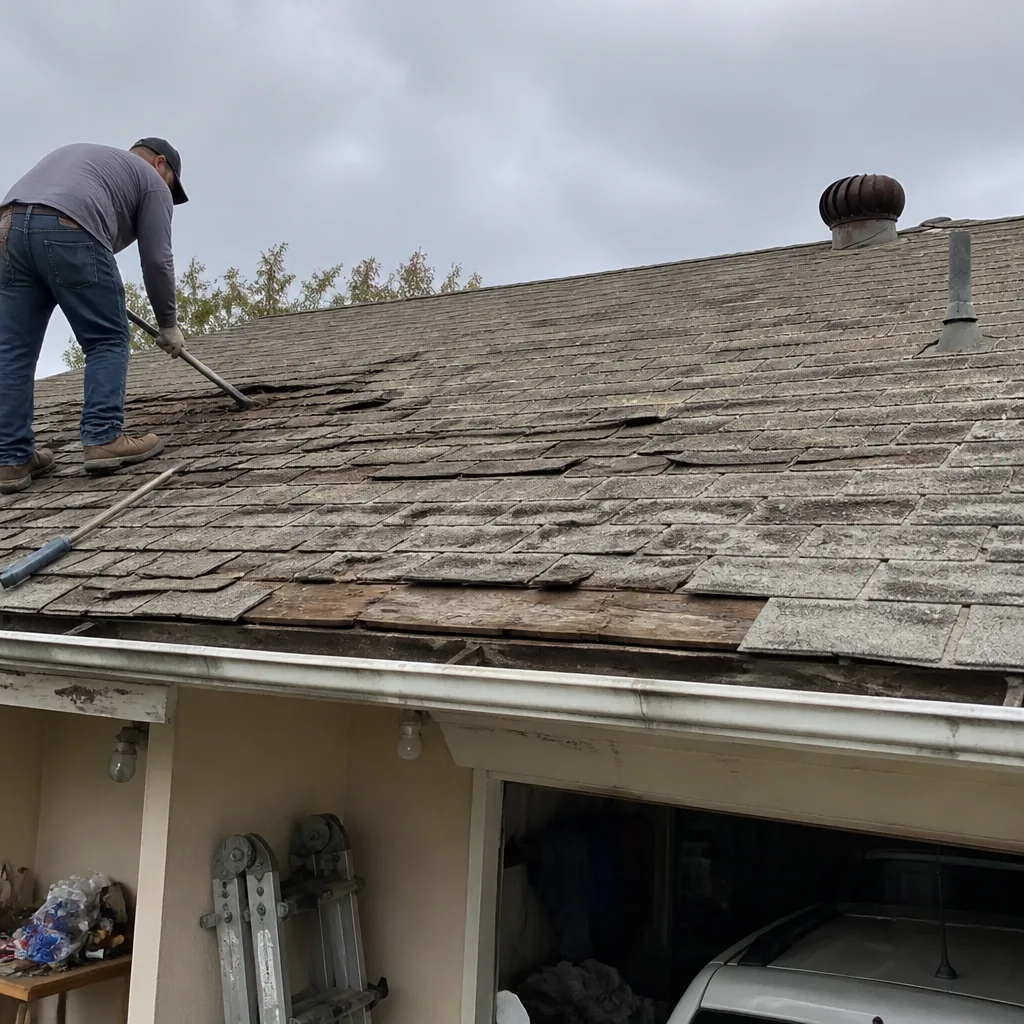 Before
 After
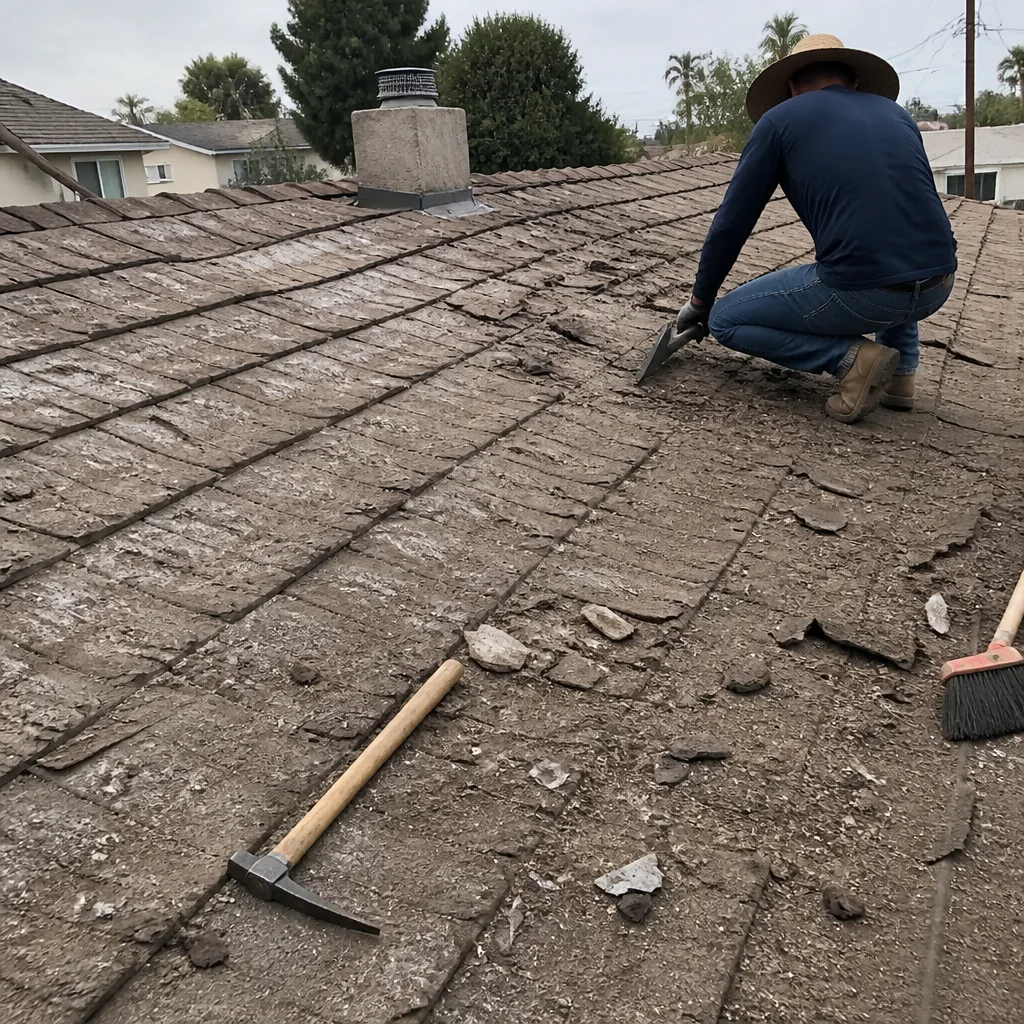 Before
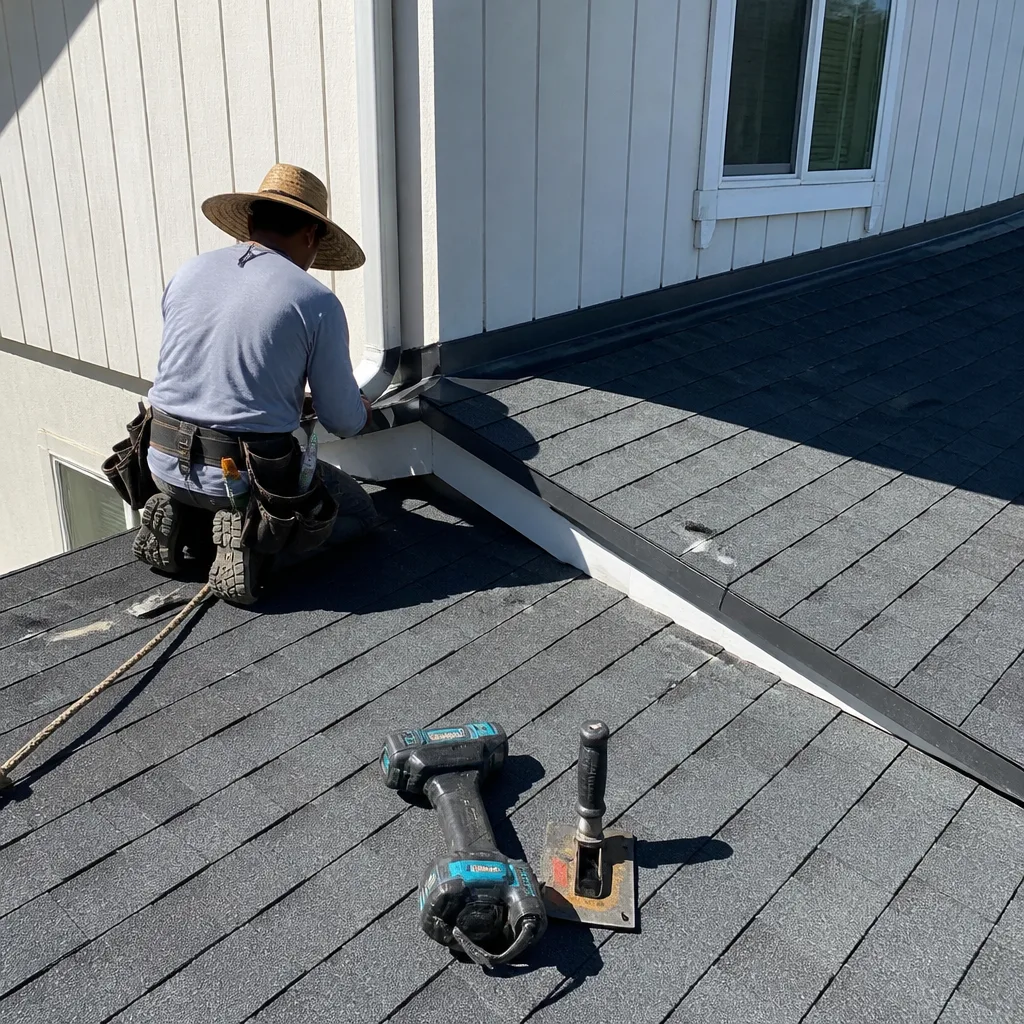 After
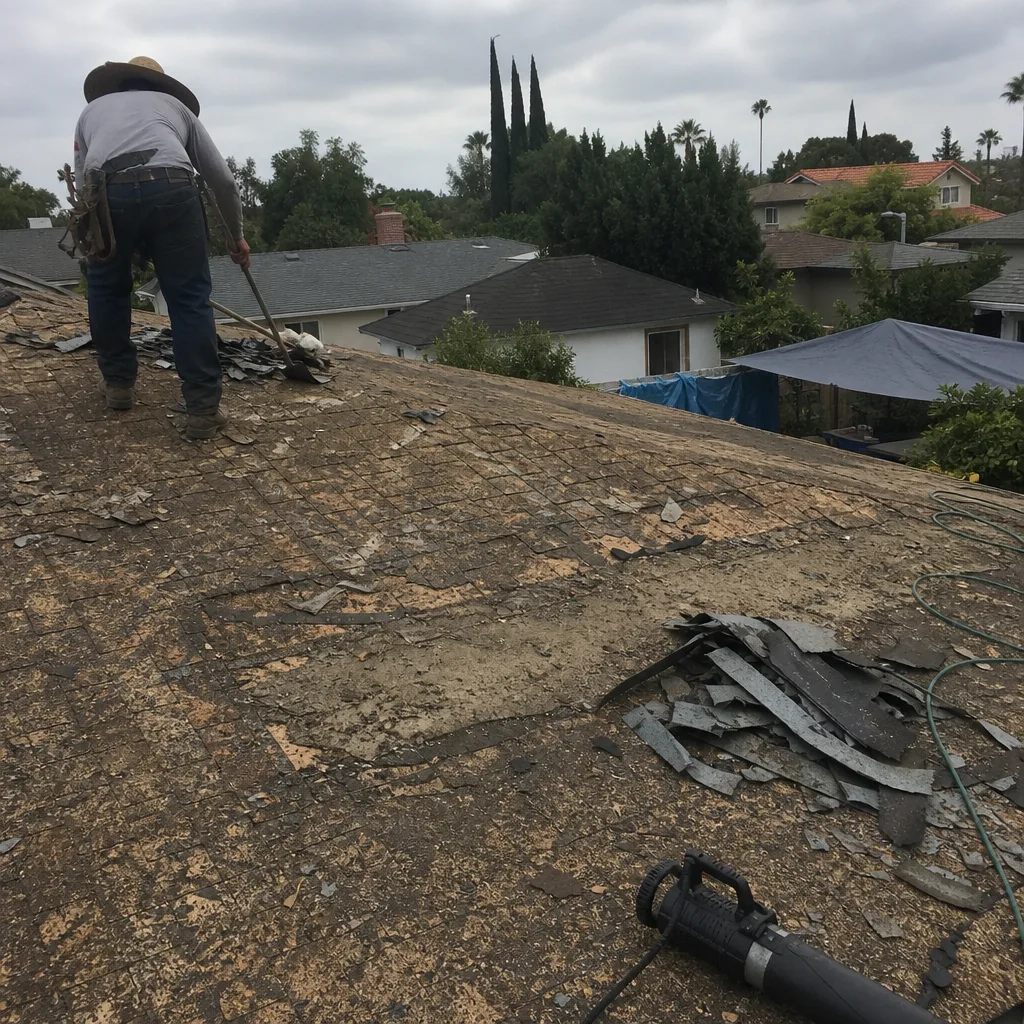 Before
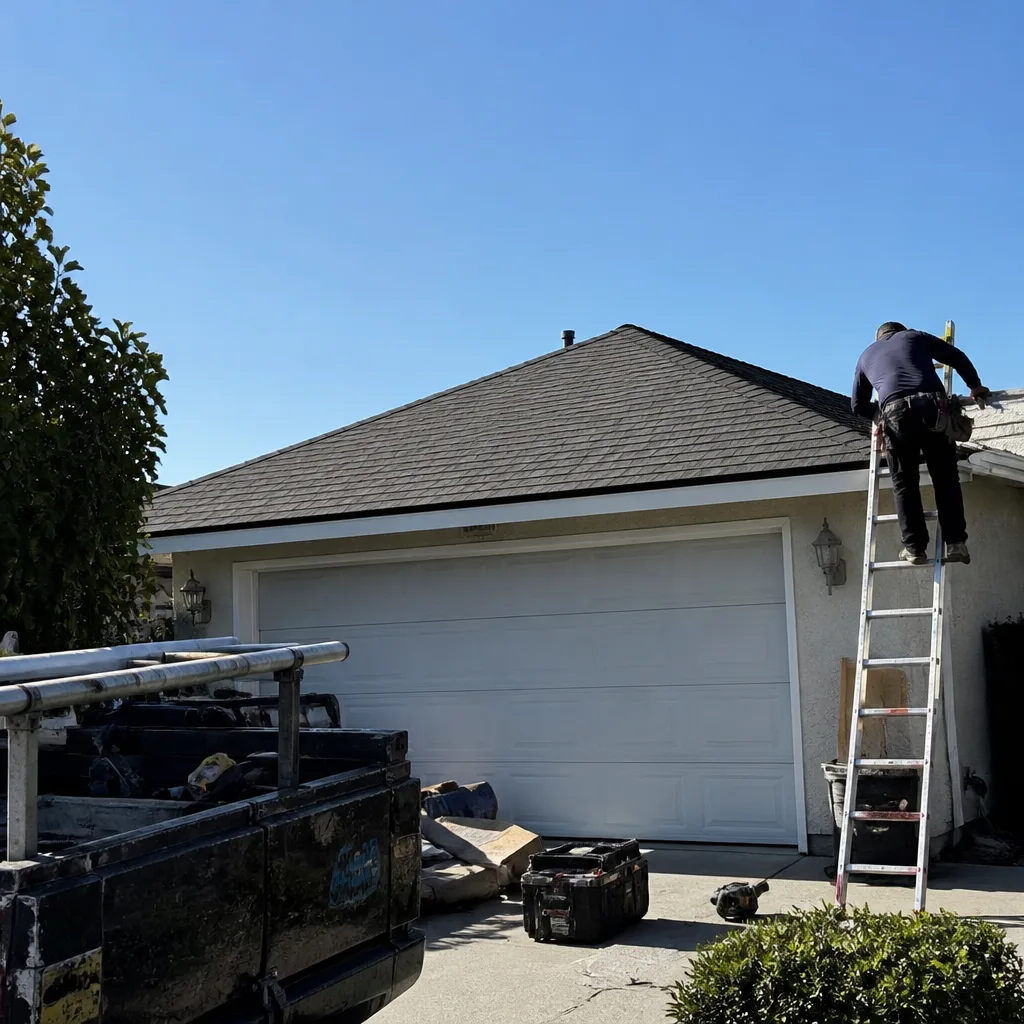 After