Last updated October 31, 2026
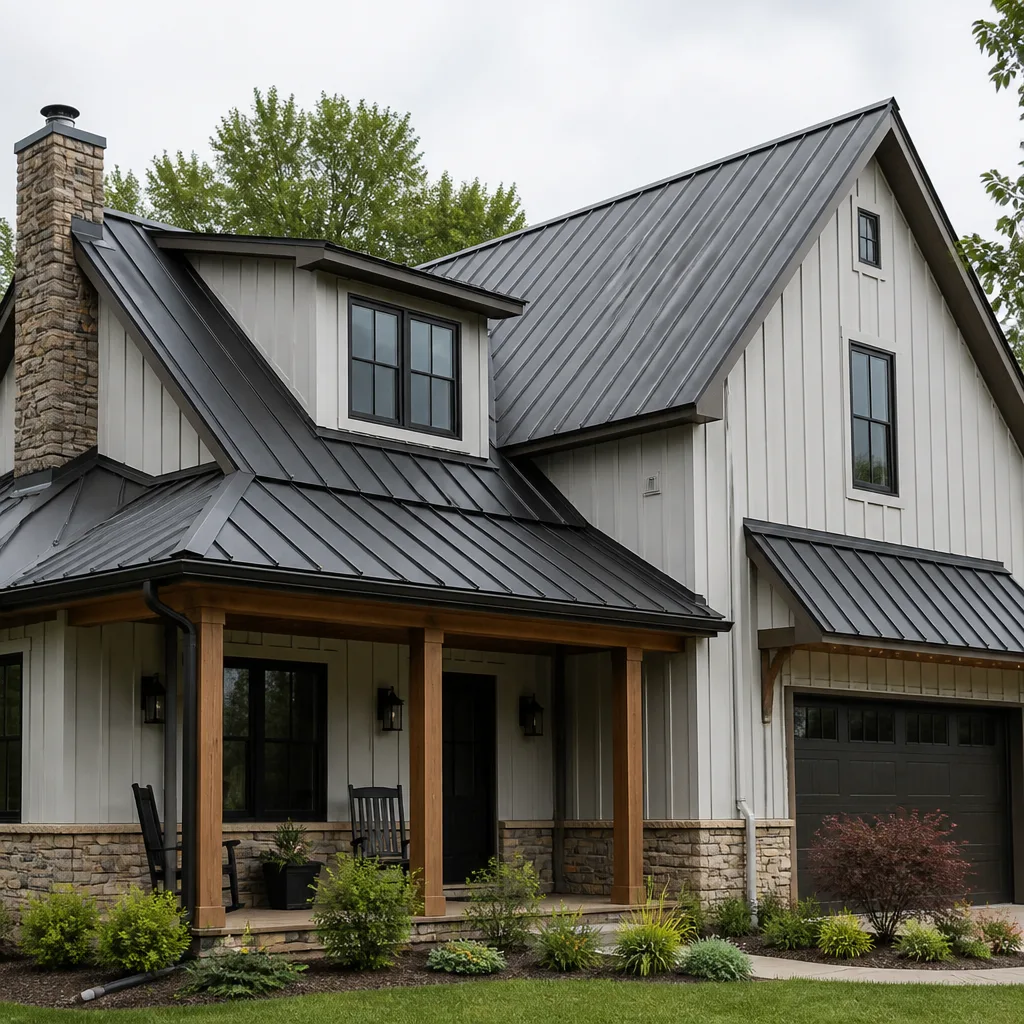 Metal roofing
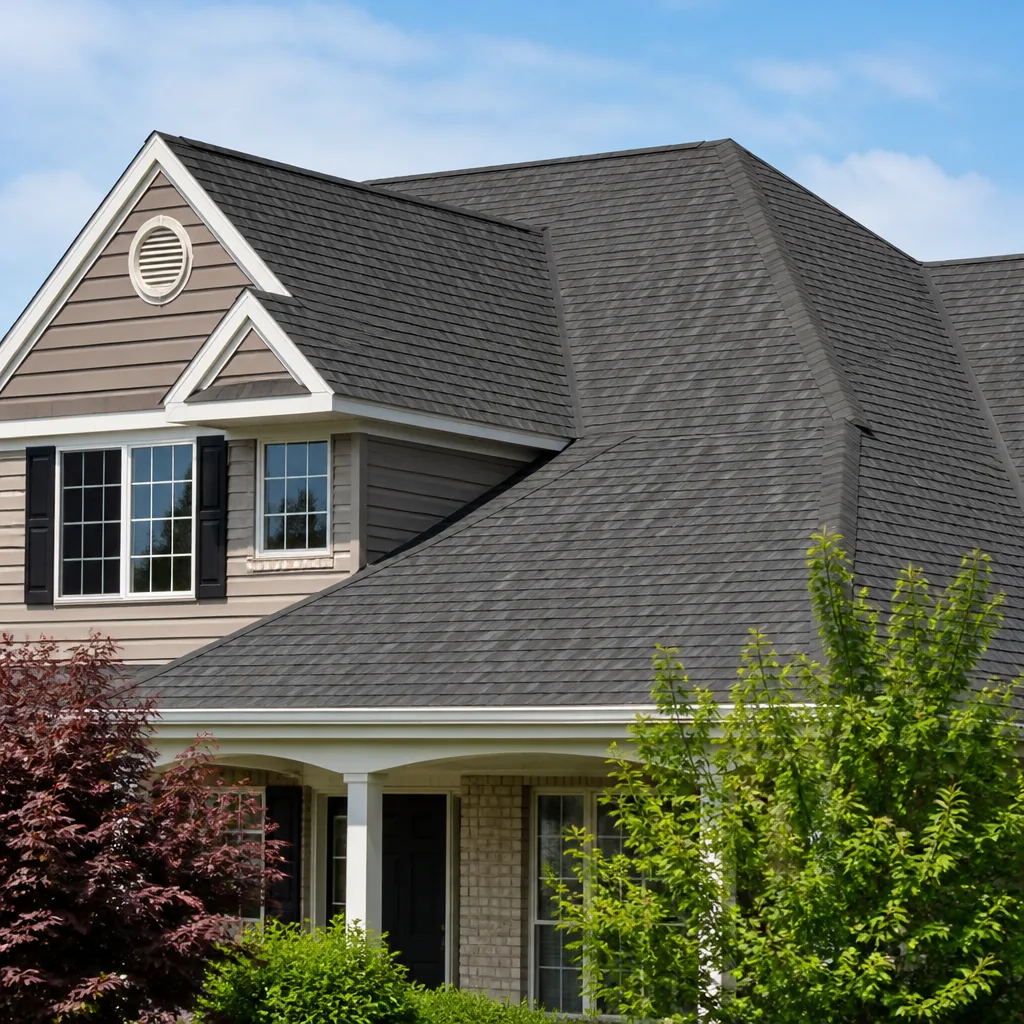 Architectural shingles
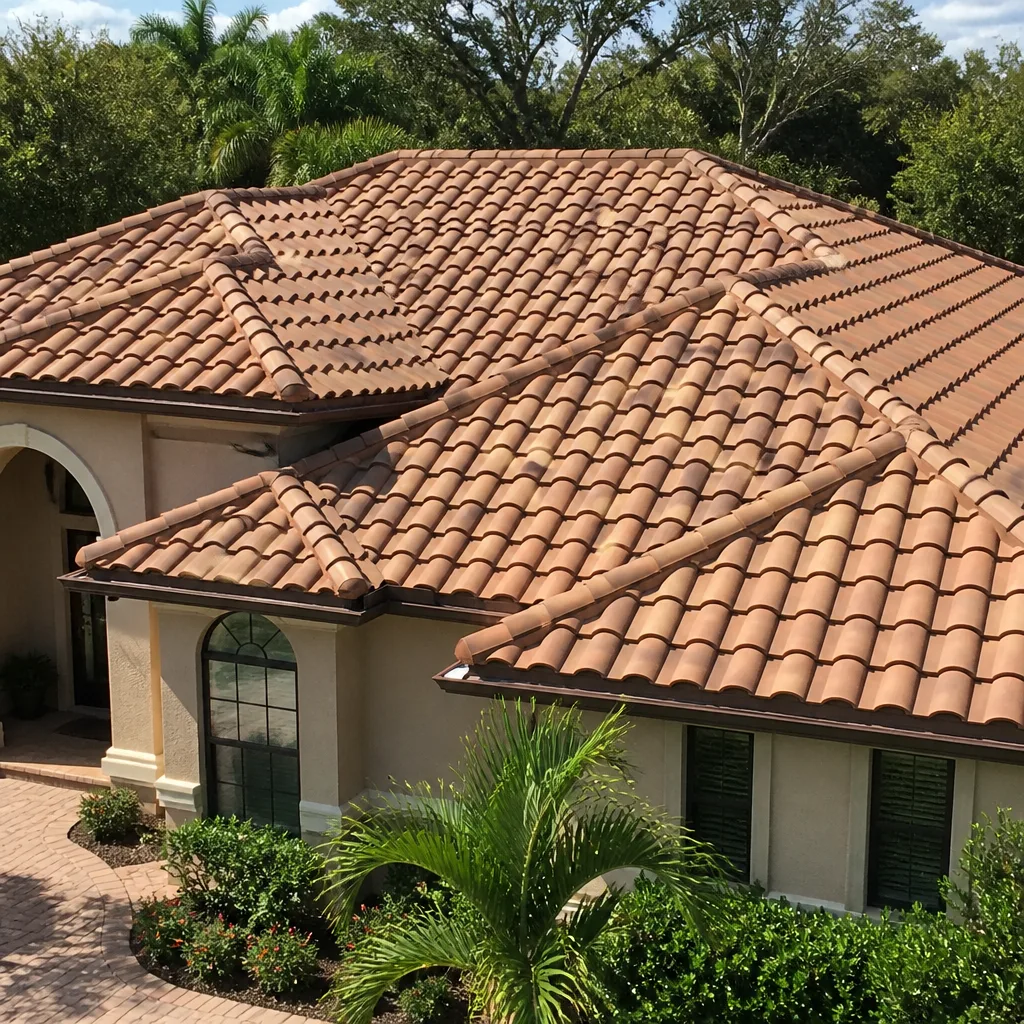 Tile roofing
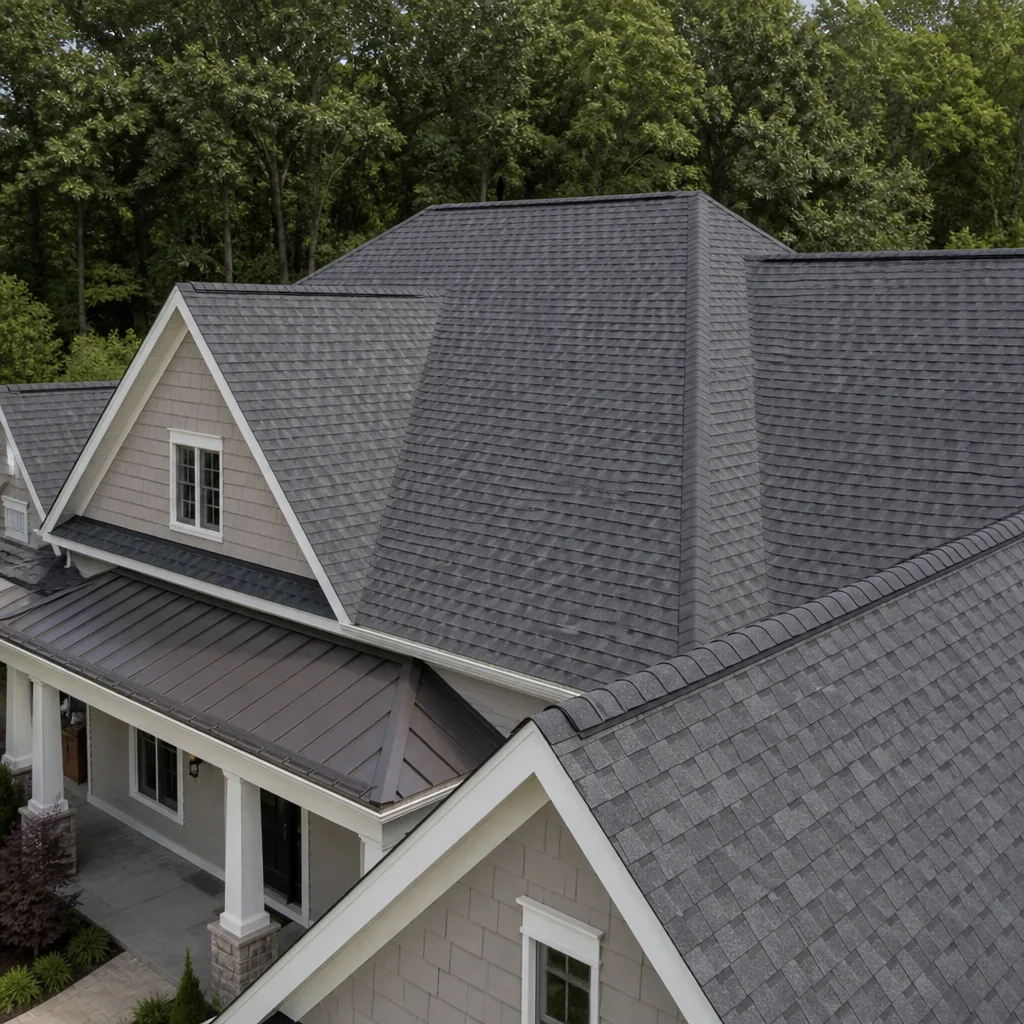 GAF
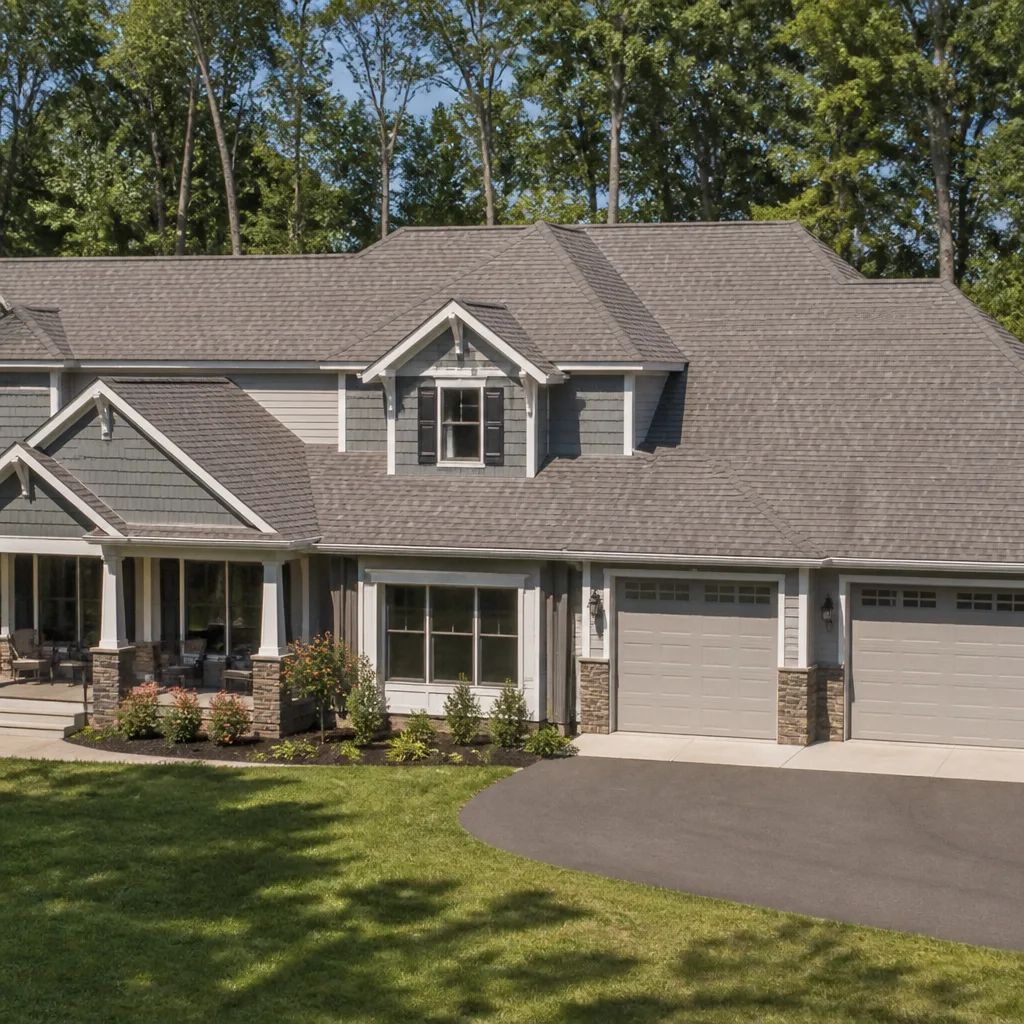 Owens Corning
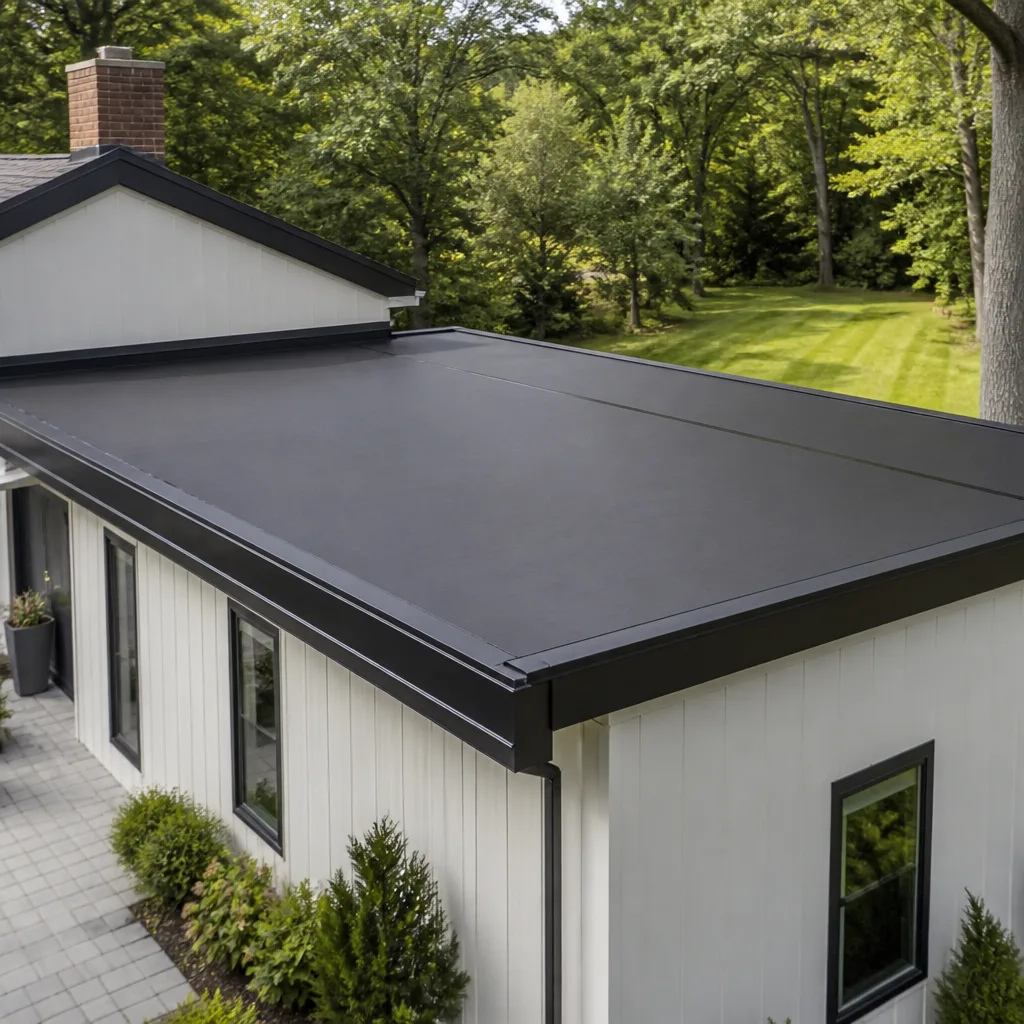 Flat & low-slope
Free roof inspection with deck photos before we talk money - GAF and Owens Corning certified installation
How to Hire a Roofing Contractor in La Habra: A Step-by-Step Guide
California has over 35,000 licensed roofing contractors. That number should terrify you, not comfort you. The license tells you almost nothing about whether the person standing in your driveway is going to give you an honest diagnosis or pitch you toward the highest-margin job. In La Habra, where summer heat bakes asphalt shingles well past their rated tolerance and winter rains expose every deferred repair, the difference between a contractor who thinks repair-first and one who sees every roof as a replacement opportunity is the difference between a $900 fix and a $22,000 invoice. This guide gives you the exact process we’d use to hire someone in this city, including the questions that expose upselling and the contract clauses that protect you.
Quick Answer
To hire a roofing contractor in La Habra, verify their CSLB license status and workers’ comp coverage, confirm they’ll pull a city permit, then interview them with specific questions designed to reveal whether they’re material-agnostic or pushing inventory. Get three written bids with matching material specs, compare them line by line, and never sign a contract that omits scope details, payment schedule, or change-order procedures.
Styles & brands we work with
Table of Contents
- Step 1: Verify the CSLB License (and Look Past the Number)
- Step 2: Check Insurance and Bond Requirements
- Step 3: The La Habra Permit Question (and Why Skipping It Is a Trap)
- Step 4: Five Interview Questions That Expose an Upsell Artist
- Step 5: How to Read a Roofing Contract Clause by Clause
- Step 6: Comparing Bids With Different Material Specs
- Step 7: Red Flags That Should End the Conversation
Step 1: Verify the CSLB License (and Look Past the Number)
Every legitimate roofer in La Habra carries a C-39 roofing classification from the California Contractors State License Board. That’s the baseline. But here’s what most homeowners don’t realize: the license number being active is the floor, not the ceiling. The CSLB database shows you three things that matter more than the number itself.
- Bond amount. California requires a $25,000 contractor bond minimum. A roofer carrying only the minimum is telling you something about their financial depth. Bonds exist to compensate you if the contractor walks off the job or violates contract terms. A higher bond means more protection, and it signals a company that has been through enough claims history to know why the extra coverage matters.
- Workers’ compensation verification. This is the one that protects you from a lawsuit. If a roofer’s employee falls off your La Habra roof and the contractor has no workers’ comp, you’re on the hook for the medical bills. The CSLB database lists whether workers’ comp is on file. Never waive this. A contractor who asks you to sign a workers’ comp waiver is asking you to accept liability for their crew.
- Complaint history. The CSLB posts disciplinary actions and license suspensions. A single complaint from 2019 over a billing dispute is not a dealbreaker. Three complaints about abandoned jobs or unpermitted work in the last five years absolutely is.
Look up the license at cslb.ca.gov. Type in the number, not the company name. Companies can operate under multiple entities, and you want to verify the exact license attached to the name on your contract. In La Habra, where older homes from the 1950s and 1960s mean older roof structures, you also want a contractor who has pulled permits in this specific city before. The La Habra building department has its own inspection rhythms, and a roofer who knows them won’t get delayed at the nailing-inspection stage.
Step 2: Check Insurance and Bond Requirements
Licensing confirms someone can legally work. Insurance confirms that when something goes wrong, you’re not left holding the bill. Roofing is dangerous work done at height on the most valuable asset you own. In La Habra’s older neighborhoods, where roof pitches vary block to block, the risk profile changes from job to job.
Here’s exactly what to ask for and why:
- General liability insurance. Minimum $1 million per occurrence, $2 million aggregate. This covers damage to your property during the job. A roofer drops a bundle of shingles on your patio cover, this policy pays. Ask for a certificate of insurance sent directly from their agent, not a photocopy handed to you. Certificates can be canceled but printed copies remain valid-looking.
- Workers’ compensation. As covered above, this is non-negotiable. If a worker gets injured on your property and the roofer lacks coverage, California law lets that worker pursue a claim against you as the property owner. Homeowners insurance sometimes covers this, sometimes doesn’t. Don’t test it.
- Bond coverage. The CSLB-required bond protects against contract violations, not workmanship. If a roofer abandons the job halfway through, the bond pays out up to its limit. Beyond the minimum, ask if they carry additional surety. Not all do, and that’s not automatically disqualifying, but it’s a data point.
One more piece of advice from the field: we’ve seen homeowners in La Habra get burned by uninsured subcontractors. A general contractor hires a sub crew for the tear-off, and that sub has no coverage of their own. If a sub gets hurt, everyone gets dragged into the claim. Ask one direct question: “Will anyone working on this roof be a subcontractor, and if so, can I see their insurance certificates too?” If the answer to the second half is no, keep looking.
Step 3: The La Habra Permit Question (and Why Skipping It Is a Trap)
Every city in Orange County requires a building permit for roof replacement, and La Habra is no exception. Repairs under a certain square footage threshold can sometimes proceed without one, but the replacement of an entire roof deck or shingle system requires a permit and a city inspection. Here’s the trap: some contractors will offer to skip the permit to save you a few hundred dollars and speed up the timeline. They frame it as doing you a favor. It isn’t.
When a contractor skips a permit in La Habra, the liability shifts entirely to you. Here’s how:
- Your homeowners insurance policy can deny claims. If an unpermitted roof develops a leak and causes interior damage, the insurance company can point to the non-permitted work as the proximate cause and deny the claim. We’ve seen it happen in this city.
- Resale problems surface later. La Habra is a mature market with homes selling regularly. A buyer’s inspector flags an unpermitted roof, and you’re either paying to bring it to code retroactively or dropping the price by the cost of the remediation.
- No city inspection means no independent verification. The permit process includes mandatory inspections at the nailing stage and the final stage. Those inspections are your only third-party check that the work was done to current code. A contractor who wants to avoid inspection wants to avoid scrutiny.
- The “savings” is minimal. La Habra’s permit fees for roof work are a fraction of the job cost. Anyone framing a permit skip as a meaningful discount is already telling you how they handle shortcuts.
A legitimate contractor includes the permit line item in the bid without being asked. If you have to bring it up, that’s a flag. If they push back when you do, that’s a red flag you shouldn’t ignore.
Step 4: Five Interview Questions That Expose an Upsell Artist
Most hiring guides tell you to ask about experience and references. Those are fine, but every contractor has practiced answers to those. The following five questions are designed to reveal how someone thinks about roofing work, not just how well they can sell it.
- “If I called you out for a leak, would you start with repair or replacement?” Listen carefully to the answer. A material-agnostic, repair-first roofer will say something like “I’d find the leak and tell you what it needs. Sometimes that’s a patch, sometimes it’s more.” A commission-driven salesperson will list reasons why repairs fail and replacements make more sense. In La Habra, where many homes have composite shingle roofs that can be repaired section-by-section, the honest answer is almost always “it depends on what we find.” Anyone who gives you a definitive answer before seeing the roof is working backwards from a sale.
- “What manufacturers do you install, and why?” A roofer who installs only one brand is a brand salesman, not a problem solver. The seven major manufacturers, GAF, CertainTeed, Owens Corning, IKO, Atlas, Tamko, and Boral, all make good products at different price points and with different strengths. A roofer with access to multiple lines can match the product to your budget and your home’s specific exposure. One with a single-brand contract is working for that brand, not for you.
- “What would you recommend for my roof pitch, and why does that matter?” La Habra’s housing stock includes everything from flat-roofed mid-century ranches to steep-pitched two-story homes from the 1980s. Roof pitch affects material selection, ventilation requirements, and underlayment specs. A knowledgeable roofer should be able to explain the relationship between your roof’s slope and the right product. One who can’t is a salesperson in a roofing costume.
- “What’s your approach to ventilation?” This is the question that separates real roofers from replacement sales teams. Improper attic ventilation is the leading cause of premature shingle failure in Southern California’s heat. A roofer who doesn’t mention ventilation at all during an estimate is not thinking about the durability of the system, just the sale of materials. The right answer involves an assessment of your current intake and exhaust and a recommendation based on what they find.
- “Who will be on the job site, and are they your direct employees?” Some companies in this market sell the job and then sub it out to the lowest bidder. That’s why the company that shakes your hand and the crew that shows up are entirely different entities. Ask directly. A company that uses its own employees maintains quality control. One that subcontracts everything is a marketing organization with a roofing license.
Step 5: How to Read a Roofing Contract Clause by Clause
A roofing contract is not a formality. It’s the document that will determine what happens when something doesn’t go exactly as planned, which in construction is closer to “always” than “never.” Here’s what a solid contract contains and what to look for.
The scope of work should read like a recipe, not a menu description. “Install new roof per manufacturer specs” is not a scope. A real scope lists the tear-off process, the underlayment type and brand, the flashing details, the ventilation changes, the drip edge, and the specific shingle or tile product with its exact product code. If you can’t tell from the contract exactly what’s going on your roof, the contractor can’t be held to anything specific.
The payment schedule should never exceed 10% upfront or $1,000, whichever is less. California law caps down payments for home improvement contracts at 10% of the total or $1,000, whichever is lower. Any roofer asking for more is breaking the law, and that’s not someone you want on your property. Beyond the deposit, payments should be tied to milestones: deposit on contract signing, a progress payment after tear-off and inspection, a second after materials are installed, and a final payment only after the city inspection passes and you’ve done a walkthrough.
Change-order procedures should be spelled out. Roofing has a way of finding surprises. Rotted decking, water-damaged fascia, structural issues hidden under old materials. These things happen, and they cost additional money. A good contract specifies that any change beyond the original scope requires a written change order signed by both parties before the additional work proceeds. An omission here means verbal agreements, and verbal agreements mean disputes.
Warranty terms should be explicit, not vague. “Warranty included” is not a warranty. A proper contract separates the manufacturer’s material warranty from the contractor’s workmanship warranty and states the duration of each in writing. Most manufacturers offer warranties ranging from 10 years to lifetime depending on the product line. Workmanship warranties from quality contractors typically run 5 to 10 years. A roofer who won’t put a workmanship warranty in writing is telling you they don’t stand behind their crews.
Cleanup and property protection should be addressed. Tear-off generates thousands of pounds of debris, nails, and old underlayment. The contract should specify that magnetic nail sweeps will be used daily, that gutters will be protected, and that landscaping and exterior fixtures will be covered and protected. When these items aren’t in the contract, they don’t happen consistently.
Step 6: Comparing Bids With Different Material Specs
The single most common mistake La Habra homeowners make is comparing bids by looking at the bottom line. Three contractors show up, three quotes come back: $14,000, $17,500, and $21,000. Easy answer, right? The $14,000 bid. Except the $14,000 bid specified a builder-grade three-tab shingle, no ventilation changes, no drip edge replacement, and reusing the existing flashing. The $21,000 bid specified a CertainTeed architectural shingle, new flashing, ridge ventilation added, and a tear-off down to the decking. Now the “cheap” bid is the expensive one, because you’ll pay for the same work again five years sooner.
Here’s a practical framework for comparing bids that use different materials:
- Separate labor from materials. Ask each contractor to itemize the tear-off labor, the installation labor, and the materials separately. This lets you see what’s actually driving cost differences. If one bid’s material line is $4,000 lower than another’s, that’s a product difference, not a labor difference. Find out what product is being specified and whether it’s appropriate for your roof.
- Make every bid specify the same scope categories. Create a one-page checklist: underlayment type, flashing replacement, drip edge, ventilation, tear-off depth, warranty duration. Hand the same checklist to every bidder and require them to address each item in writing. The differences in their responses tell you more than the price difference ever will.
- Evaluate the material lines against manufacturer tiers. Within any manufacturer’s lineup, there’s a good-better-best structure. A GAF Timberline is a different product than a GAF Royal Sovereign. A CertainTeed Landmark carries a different warranty than a CertainTeed XT25. When bids specify different tiers, normalize them by asking each bidder to quote to the same tier, or at least flag the tier difference so you’re comparing equivalent value.
- Factor in the warranty dollar value. A roof with a 50-year material warranty and a 10-year workmanship warranty has a quantifiable value difference from a roof with a 20-year material warranty and a 1-year workmanship warranty. When bid A is $2,000 more than bid B but includes a far stronger warranty package, bid A may be the better deal over the lifespan of the roof.
In our experience in La Habra, homes in the Coyote Hills area benefit from heavier shingle weights because of the wind exposure, while the flatter lots toward the central city get more direct sun and benefit from ventilation-forward specifications. A roofer who factors in your specific microclimate is already showing you how they think.
Step 7: Red Flags That Should End the Conversation
Some contractors disqualify themselves. Here are the signals we’d tell any friend to walk away from, in this city or any other.
- The door-knocker after a storm. After any serious weather event in La Habra, the storm chasers arrive. They go door to door offering free inspections. Some are legitimate, many are not. A real roofing company with local roots doesn’t need to canvas neighborhoods after a storm. They have enough work from referrals.
- The “sign today” discount. Any contractor offering a meaningful discount for signing a contract on the same day as the estimate is running a sales operation, not a roofing operation. Roof decisions should be made with a night to sleep on them. If the price is only good today, the only thing changing tomorrow is their pressure tactics.
- The cash-only proposal. Sometimes framed as “you’ll save 15% if we avoid the paperwork.” What you’re actually avoiding is your legal protections. Cash jobs skip permits, skip contracts, and leave you with zero recourse. Licensed contractors in La Habra don’t ask for this.
- The vague material description. “Premium architectural shingle” with no manufacturer name and no product line is not a material specification, it’s a marketing phrase. A real bid names the product. If you can’t type the exact shingle name into a search engine and find it, the bid is too vague to enforce.
- No written estimate. A contractor who will only give you a verbal price is not a contractor, they’re a gambler, and you’re the one taking the risk. Every legitimate roofer in this market provides written estimates with itemized line items. If the numbers live only in someone’s head, you have no documentation when the final bill comes in different.
Common Mistakes to Avoid
- Hiring based on price alone. The lowest bid on a roof is almost always the lowest because something was left out, not because the contractor is better at business. Finding out what was omitted after the work starts is the most expensive way to learn that lesson.
- Skipping the workers’ comp check. One fall from a La Habra roof can generate six figures in medical claims. If the roofer’s comp coverage isn’t current, that liability lands on your homeowners policy or your personal assets.
- Signing a contract without a scope of work. Contracts without detailed scopes are invitations for ambiguity, and ambiguity in construction always resolves in favor of the contractor’s profit margin, not your bank account.
- Ignoring ventilation. In La Habra’s climate, an unventilated attic can reach 160 degrees in August. Shingles cooked from below fail years early regardless of how good the product is. A roof that doesn’t address ventilation is a future warranty claim waiting to happen.
- Believing the permit isn’t necessary. The permit is your only independent verification that the work meets current code. Skipping it saves a few hundred dollars and risks tens of thousands in insurance denials and resale problems.
- Not asking who shows up. When the crew that knocks on your door is a different company than the one that sold you the job, you’ve effectively hired someone you never vetted. Ask the question and get the answer in writing.
- Waiting too long on small leaks. A small leak in a La Habra winter becomes a big problem by March. Water intrusion rots decking, spreads through insulation, and damages interiors. The $400 repair you deferred in December is the $12,000 replacement you’re financing in June.
See the difference
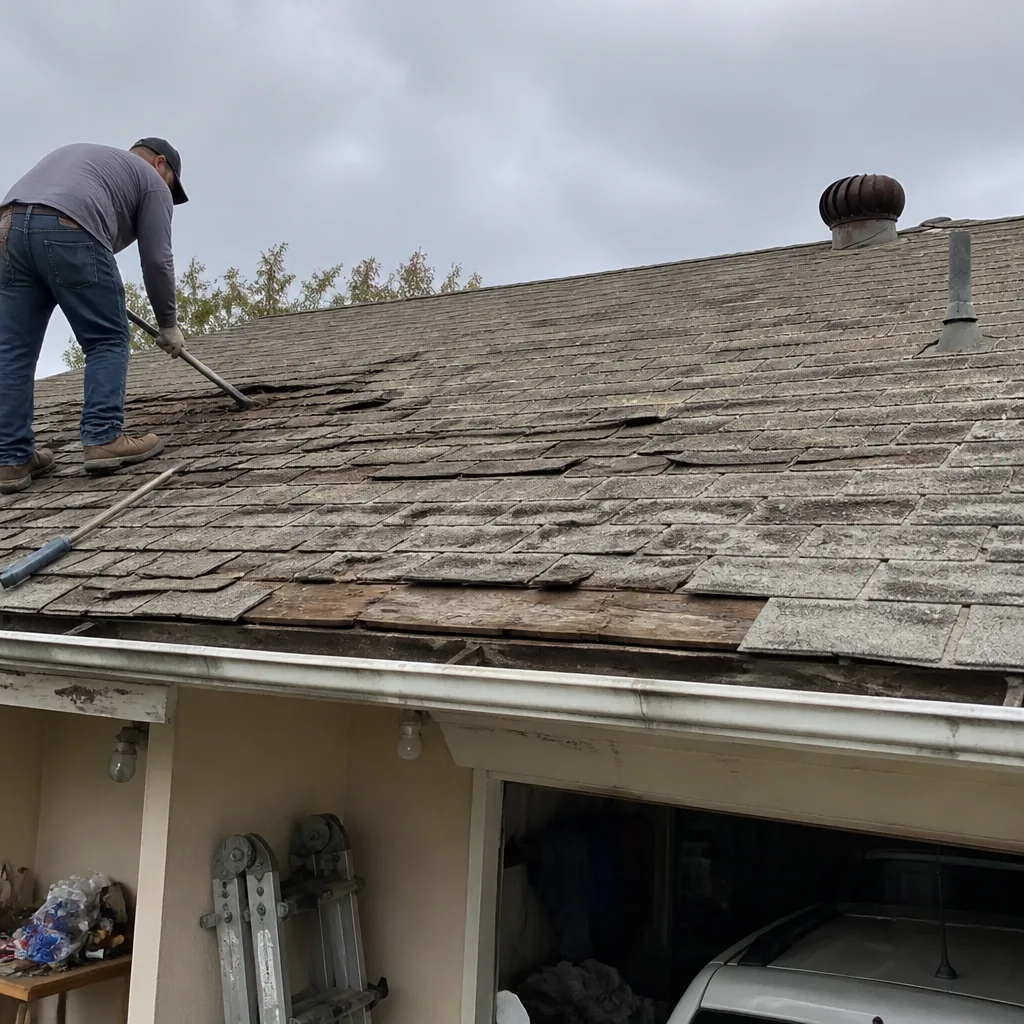 Before
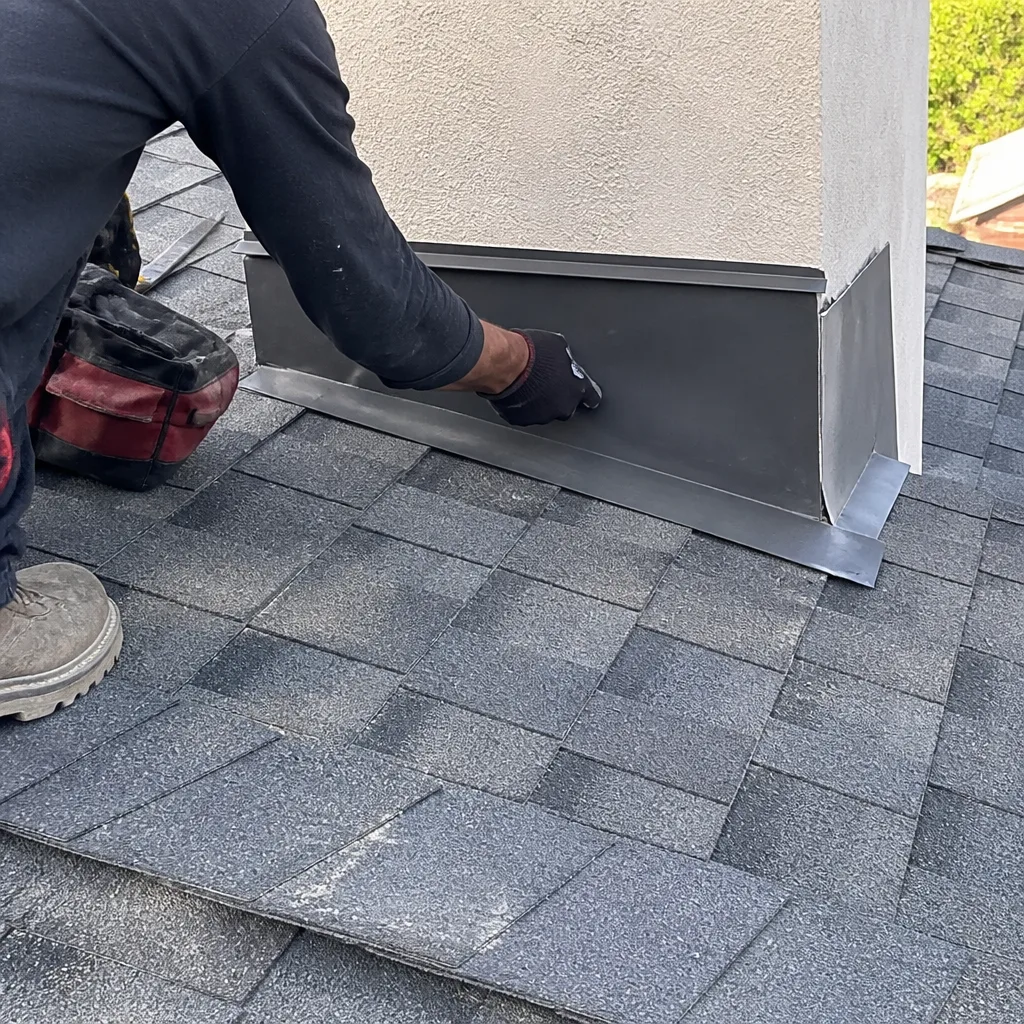 After
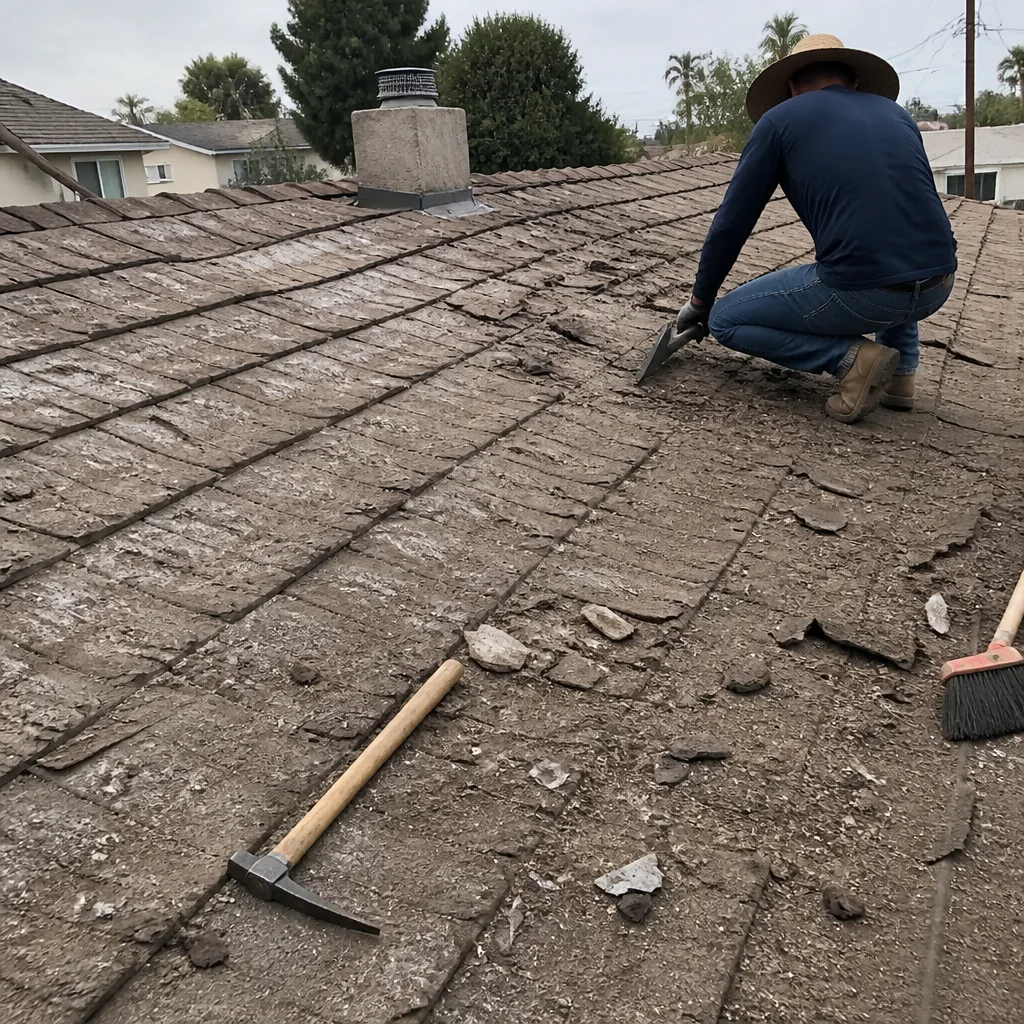 Before
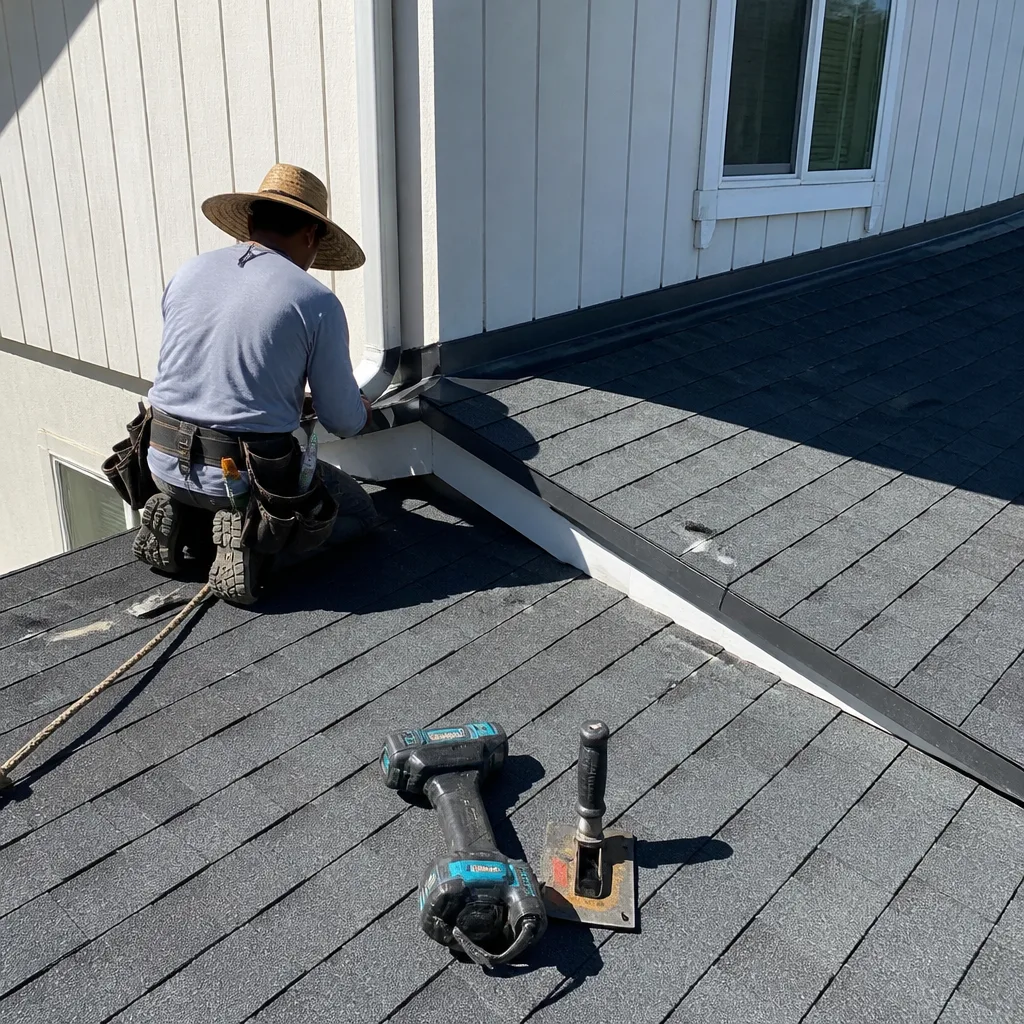 After
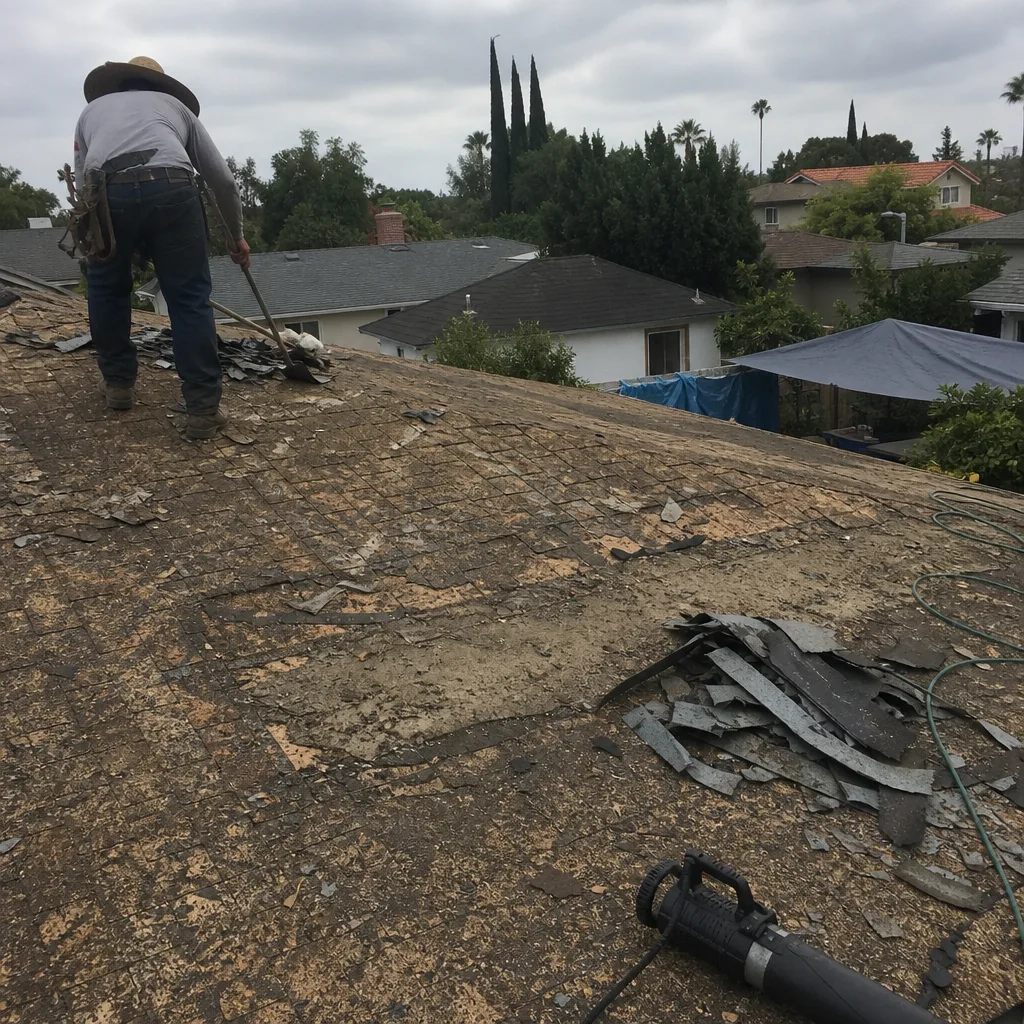 Before
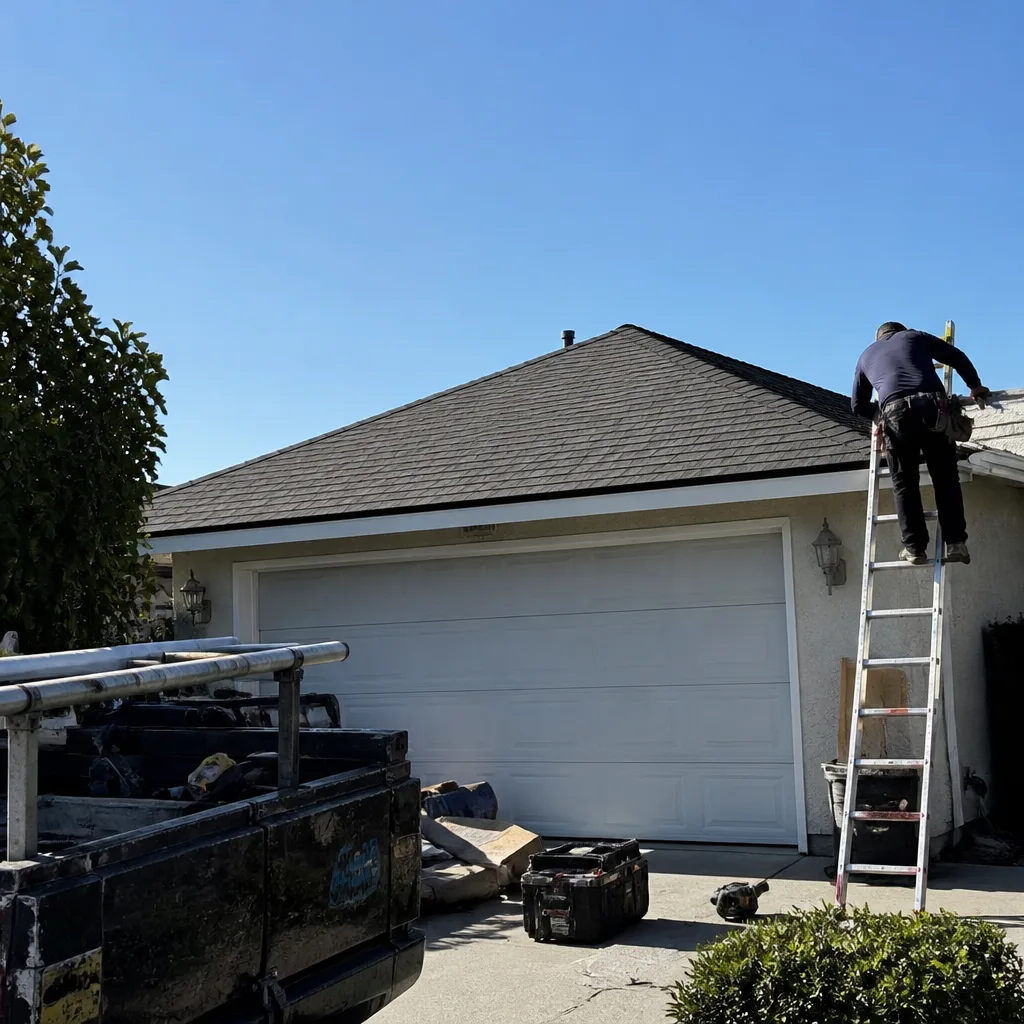 After
When to Call a Professional
Some roofing situations are obvious emergencies. Others are subtle and easy to postpone. Here’s when you should stop deliberating and make a call. If you see daylight through your attic boards, that’s past the point of considering options. If you’ve got water stains on ceilings after rain, the leak has been working through your roof assembly for longer than the stain suggests. If shingles are curling, granule loss is visible in your gutters, or the roof is past 20 years old in La Habra’s heat profile, you’re in the zone where professional assessment is genuinely overdue. The good news is that an inspection costs less than the damage it prevents. Dauntless Roof Repair offers free estimates in La Habra. Call (844) 750-0317 and we’ll tell you exactly what your roof needs, and exactly what it doesn’t.
Frequently Asked Questions
A full roof replacement in La Habra typically runs between $12,000 and $28,000 depending on home size, material choice, and roof complexity. Mid-range architectural shingles on an average 1,800 square foot home usually land between $14,000 and $19,000. The material tier, whether you go with something like a GAF Timberline versus a premium line from CertainTeed or Owens Corning, is the biggest cost variable beyond square footage; see our Roofing Cost Breakdown: The La Habra Homeowner’s Reference for 2026 for a detailed breakdown. Call (844) 750-0317 for an exact quote based on your specific roof.
Yes, a city permit is required for full roof replacements in La Habra, and most repairs that involve structural changes or exceed a certain square footage also require permitting. The permit fee is a small fraction of the total job cost, and it buys you independent city inspections at the nailing and final stages. Any contractor offering to skip the permit is shifting liability onto you.
Most standard asphalt shingle replacements in La Habra take 2 to 4 working days from tear-off to final inspection. Factors that extend the timeline include discovered decking rot, weather delays, steep pitches that slow the crew, and the city’s inspection scheduling. A schedule that promises completion in one day for a full replacement is a reason to ask hard questions about shortcuts.
Yes, and far more often than many contractors will admit. Section replacements, flashing repairs, targeted leak fixes, and spot shingle replacement can extend the life of a roof by years when the underlying structure is sound. The key is finding a contractor whose business model includes repair—our Roof Repair Troubleshooting: Common Problems and How to Fix Them explains what to look for—rather than one who only sees replacement as a revenue number. Dauntless Roof Repair built our name on doing the hard partial jobs others decline.
The honest answer depends on your home’s exposure, pitch, and your budget. Architectural asphalt shingles from manufacturers like GAF, CertainTeed, and Owens Corning are the most common choice for good reason: they handle heat well with proper ventilation and they’re cost-effective across their lifespan. Tile options from Boral offer superior durability and fire resistance but require structural support and cost significantly more. We carry seven brands so the recommendation you get matches your roof, not our warehouse.
It can, but it shouldn’t change without a written change order that you approve before the additional work begins. Rotted decking and hidden structural damage are legitimate discoveries that add cost. The contract should specify that any scope changes require a signed change order with a specific price. A contractor who starts charging for additions without documentation is not someone you want making decisions about your roof. Call (844) 750-0317 if you want to review a bid with us before signing with anyone.
The Bottom Line
Hiring a roofer in La Habra is a process of elimination. You eliminate the unlicensed, the uninsured, the permit-skippers, the single-brand salesmen, and the vague-bid artists. What remains should be a contractor who answers direct questions with direct answers, puts everything in writing, and approaches your roof as a problem to solve rather than a commission to earn. That’s the bar. La Habra’s climate punishes shortcut decisions slowly and expensively, which means the contractor you choose matters more than the product they install. Take the time to vet properly, and you’ll make one roofing decision instead of two. If you want a straight assessment of your roof’s actual condition, start with a free inspection. Dauntless Roof Repair serves La Habra homeowners from first inspection to final nail, and we’ll tell you what you need, and exactly what you don’t. Call (844) 750-0317 to schedule your free estimate.
Written by the team at Dauntless Roof Repair, serving La Habra since 2017. Explore more guides & resources on our blog.