
Last updated October 31, 2026
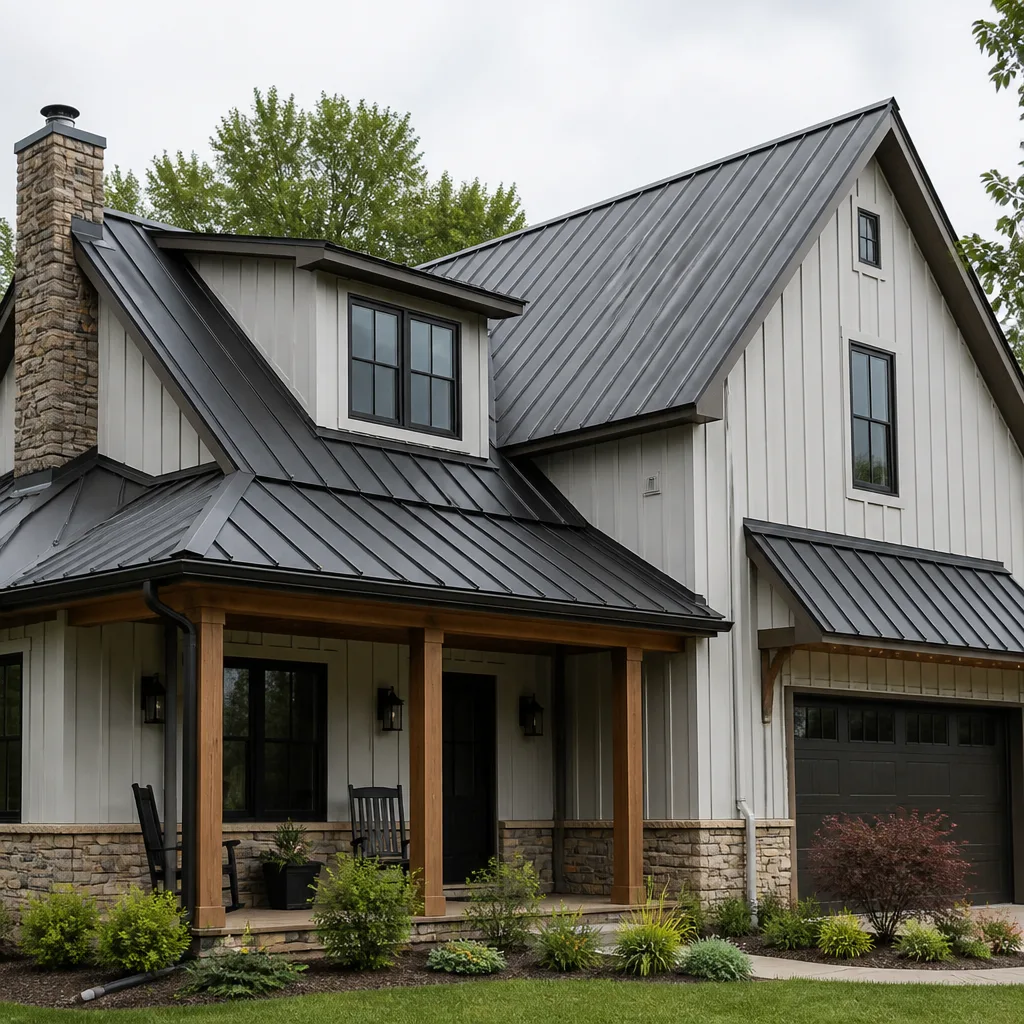 Metal roofing
 Architectural shingles
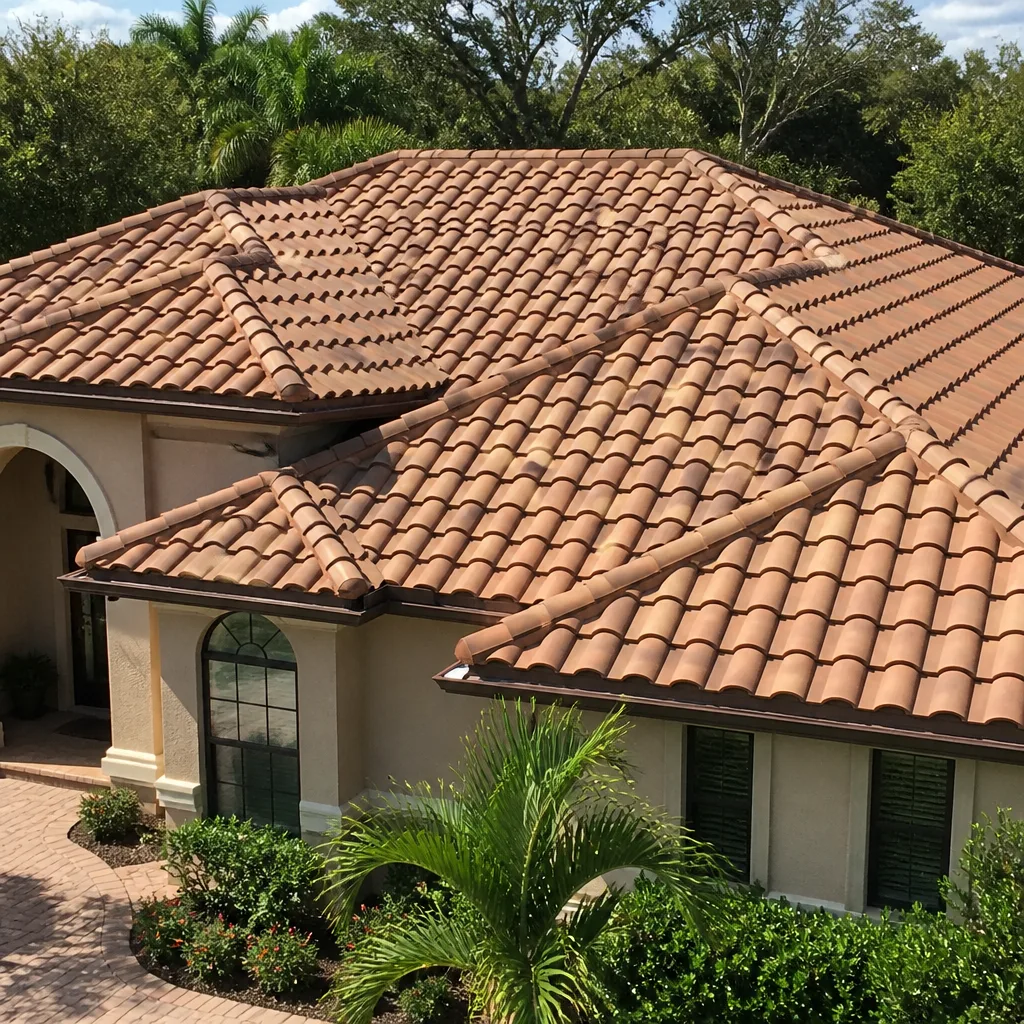 Tile roofing
 GAF
 Owens Corning
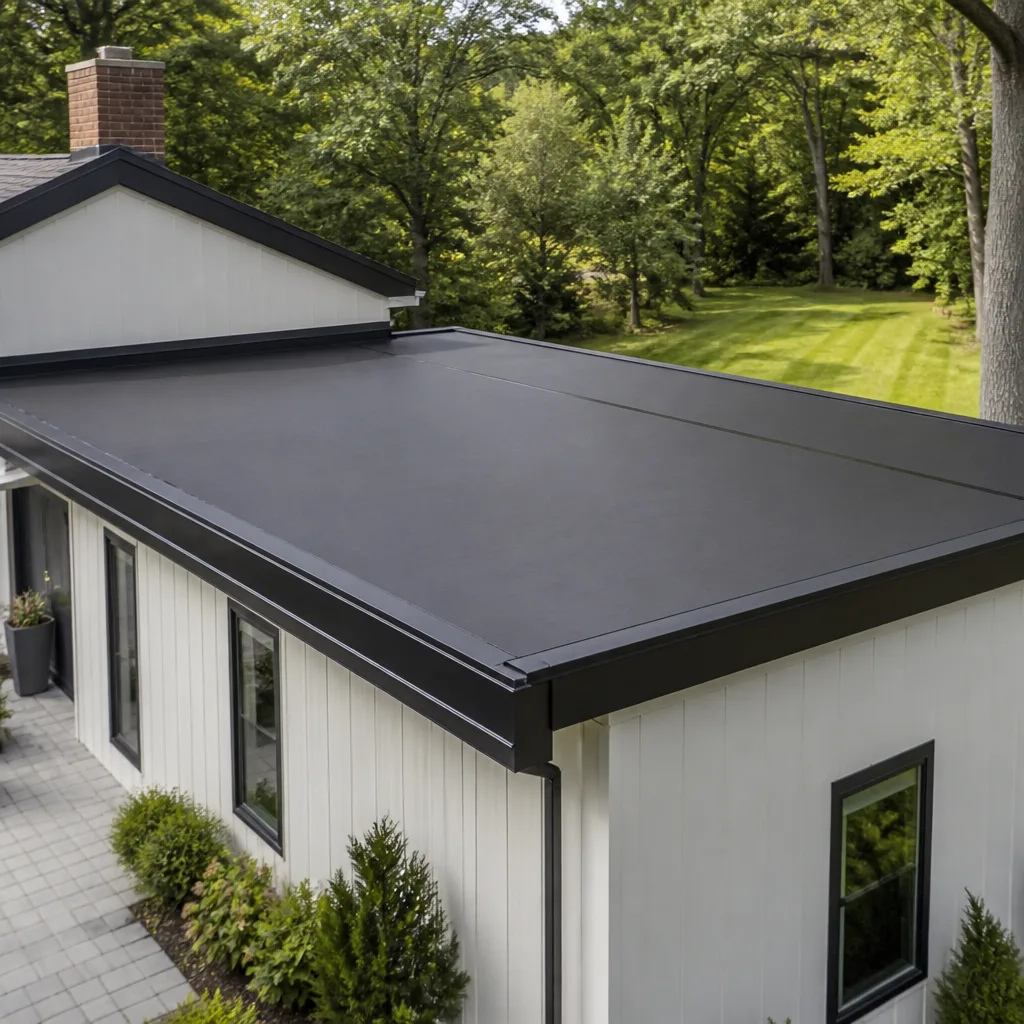 Flat & low-slope
Free roof inspection with deck photos before we talk money - GAF and Owens Corning certified installation
Roofing Emergency Preparedness Guide for La Habra Homes
Most La Habra homeowners call a roofer the day after the damage happens. The ones who fare best after a Santa Ana wind event or a heavy winter storm are the ones who made three decisions before the sky turned: they know their deductible, they have tarping materials staged in the garage, and they have a dated photo record of what their roof looked like when it was intact. This guide walks through the two distinct emergency types La Habra actually faces, what to do in the first hour, how to document damage so your insurance adjuster can’t dismiss it, and how to filter out the out-of-town storm chasers who roll through North Orange County after every wind event. Whether you’re on a 1950s ranch north of Whittier Boulevard or a newer build in the hills off Harbor Boulevard, the playbook is the same in structure and specific in execution.
Styles & brands we work with
Quick Answer
Roofing emergency preparedness for La Habra homes means preparing for two distinct events: Santa Ana wind damage (typically October through February) and winter rain intrusion (December through March). Your prep before either one is the same in principle: document your roof’s condition with dated photos, know your insurance deductible and policy terms, stage emergency tarping materials, and keep a short list of qualified local roofers who actually perform repairs, not just replacements. When damage happens, the first hour is about stopping water intrusion and documenting, the first 24 hours is about filing your claim and getting a professional assessment, and the first week is about getting permanent repairs scheduled.
Table of Contents
- La Habra’s Two Roofing Emergency Types
- The Pre-Storm Preparation Checklist
- How to Apply an Emergency Tarp (Without Voiding Your Claim)
- What to Photograph and Document: Before, During, and After
- The First Hour: Triage and Stop the Bleeding
- The First 24 Hours: Claims, Calls, and Protection
- The First Week: Assessment and Permanent Repair
- How to Identify and Filter Out Storm-Chasing Contractors
- Common Mistakes to Avoid
- When to Call a Professional
- Frequently Asked Questions
- The Bottom Line
La Habra’s Two Roofing Emergency Types
Every region has its weather personality, and La Habra’s is split. We get two genuinely different roofing emergencies, and they require two different sets of preparation because the failure modes are not the same.
First, the Santa Ana wind events. These typically hit between October and February, with gusts funneling through the Puente Hills and the passes that drop down toward the 57 Freeway. Santa Ana winds are dry, hot, and gusty in a way that doesn’t just rip shingles off; they lift edges, pull flashing away from penetrations, and send branches and palm fronds across rooftops at speed. A shingle that gets lifted on a 1950s composition roof in the Coyote Hills neighborhood may not leak for weeks, until the first real rain finds the gap. That’s the trap: wind damage in La Habra often looks minor until the water shows up later.
Second, the winter rain storms. December through March brings atmospheric river events that drop sustained, wind-driven rain on La Habra for hours or days at a stretch. The failure mode here is different. Water finds every gap that the winds left behind, every aging flashing point, every valley that has carried too many seasons of wear. A roof that survived a full summer of sun exposure near La Habra Boulevard can fail in a single storm because the water pressure finds the one weak seam that the dry season never tested.
The preparation for each looks different. For wind events, it’s about securing loose objects, checking overhanging branches, and knowing which roof edges get hit hardest (typically the north and east exposures where the wind channels between the hills). For rain events, it’s about clearing valleys and drains, checking flashing at all penetrations, and making sure your gutters aren’t backing up. Both share the same baseline: a documented, photographed roof condition before the event.
The Pre-Storm Preparation Checklist
The majority of La Habra homeowners don’t do any of this, which is why emergency roofers are so busy in the weeks after a wind event. The checklist below is ordered by priority. None of it requires specialized skill. All of it saves real money when the storm comes.
- Photograph your roof from the ground with date stamps. Walk all four sides of the house. Use a phone with geotagging turned on. You want a visual record of what your roof looked like before the event, because the adjuster’s first question is always the same: “Was that damage already there?” In our experience, La Habra homeowners with pre-storm photos settle claims faster and with less friction than those who rely on the adjuster’s post-storm assessment alone.
- Check your insurance policy and know your deductible. Not your monthly premium, your deductible. The number that determines whether a claim makes financial sense. If your deductible is $2,500 and the damage is $1,800, filing a claim may not be worth the rate increase. Know the number now, not when you’re standing in a wet living room.
- Stage tarping materials. At minimum: two heavy-duty tarps (at least 12×16 feet), a bundle of 1×2 or 2×2 wood furring strips, a staple gun with 9/16-inch staples, and a roll of duct tape. Keep these in a dry place. We’re not telling you to get on the roof; we’re telling you to have the materials ready for someone who can, whether that’s a neighbor, a handyperson, or a roofer responding to your call.
- Trim overhanging branches. La Habra has a lot of mature trees, and the ones overhanging roofs are the ones that send limbs through shingles during Santa Ana events. Tree trimming is not a roofing service and we won’t do it, but every roofer in La Habra will tell you the same thing: branches are the single most common vector for roof damage in this city. Keep them back from the roofline.
- Clear valleys and gutters of debris. Valleys are where water concentrates. If they’re full of leaves and debris from the jacarandas and eucalyptus that line La Habra’s older neighborhoods, water backs up and finds its way under the shingles at the most vulnerable points.
- Have a roofer you trust saved in your phone. Not the one you’ll Google in a panic at 2 a.m. The one you’ve already talked to, or at least know by reputation. When the emergency happens, you don’t want to be vetting contractors for the first time while water is coming through the ceiling. A full Roof Inspection in La Habra before storm season is the single most useful prep step you can take.
How to Apply an Emergency Tarp (Without Voiding Your Claim)
First, the direct answer: you can tarp your roof yourself after a storm and it will not void your insurance claim, as long as you document the damage thoroughly before and during the tarping process. Insurance policies actually expect homeowners to take reasonable steps to prevent further damage. The key is documentation, because the adjuster needs to see the storm-caused damage as it was before you covered it.
Now the safety caveat we give every La Habra homeowner: do not get on a wet roof, do not get on a roof in high wind, and do not tarp a two-story home alone. If your roof is steep, tile, or you’re not confident on a ladder, call a professional. The cost of a professional emergency tarping in La Habra typically runs $300 to $600, and most insurance policies will reimburse that expense if it was necessary to prevent further damage. That’s money well spent compared to a fall from a second-story roof line.
If you do tarp it yourself, here’s the step-by-step:
- Photograph the damage first. Close-ups of missing shingles, lifted flashing, torn underlayment, and interior water stains. Wide shots showing the full roof section. These photos are your claim evidence, and they need to exist before you cover the evidence.
- Choose the right tarp size. The tarp should extend at least 4 feet beyond the damaged area on all sides. For most wind-damage spots around vents or along rake edges, a 12×16 tarp is enough. For larger areas, go bigger. The most common tarping mistake we see in La Habra is a tarp that’s too small, which lets wind get under the edges and shred it.
- Anchor the tarp to the roof structure, not the shingles. The tarp gets folded over the ridge line or anchored to the roof deck at the edges where the decking is exposed. Use furring strips screwed or nailed through the tarp into the deck, not into the shingles themselves, because screws through shingles create new leak points and can actually void your warranty on the surrounding shingles.
- Use a batten-and-weight approach. For the exposed edges of the tarp, secure furring strips horizontally across the tarp and screw them into the decking. Cover the screw heads with heavy tape or sealant to prevent water from wicking through. Then weigh down the tarp over the batten with a second tarp layer or sandbags at the perimeter, not in the center.
- Photograph the tarped area afterward. You want a record that you took the mitigation step. The adjuster will want to see that the tarp is in place and covering the damage.
For La Habra’s tiled roofs, tarping is more complicated because you can’t screw furring strips into concrete tiles without cracking them. On tile roofs, the tarp is usually draped over the damaged section and secured at the eaves and ridge with frieze blocks or weighted sandbags, not mechanically fastened through the tile. If your tile roof is damaged in a Santa Ana event, call a professional for tarping. It’s the rare case where the DIY approach genuinely isn’t worth the risk of cracking more tiles.
If you need to stop water intrusion and aren’t sure of the roof’s condition, Dauntless Roof Repair is the team we’d recommend calling. They’ll assess the damage, tarp what needs it, and give you a straight answer about what’s next. Reach them at (844) 750-0317.
What to Photograph and Document: Before, During, and After
The single biggest advantage a La Habra homeowner has in an insurance claim is photographic proof. Adjuster disputes almost always come down to the same thing: the insurance company asserting the damage was pre-existing. The counter to that is a dated, geotagged photo of your roof in good condition taken before the storm.
Here’s what to document at each stage:
Before the storm (preventive documentation):
- Four-sided ground-level photos of your roof, dated and geotagged, in clear, dry weather.
- Close-ups of known weak points: flashing at vents, chimney flashing, pipe boots, and any area you know has been repaired before.
- Interior ceilings in the rooms below the roof, especially under valleys, skylights, and chimneys.
During or immediately after the storm (damage documentation):
- Close-up photos of every damaged area, with a ruler or tape measure in the frame for scale.
- Wide shots showing the damage in context on the roof, so the adjuster can see the full extent.
- Photos of wind-blown debris: the tree branch, palm frond, or roof tile fragment that caused the damage.
- Interior photos of any water intrusion: ceiling stains, wet drywall, standing water.
- Screenshots of weather reports from that date showing wind speeds or rainfall totals for La Habra specifically.
After the tarp or permanent repair:
- Photos of the tarp in place, showing the covers and overlaps.
- Photos of any damaged material a roofer removed, laid out and photographed before disposal.
- All receipts for emergency tarping, temporary repairs, and hotel stays if the home was uninhabitable.
Keep a simple folder on your phone and upload the photos to cloud storage the same day. If your phone is destroyed or lost, you don’t want to lose the evidence too. This documentation habit costs nothing and is the difference between a smooth claim and a denied one.
The First Hour: Triage and Stop the Bleeding
The first hour after a roofing emergency in La Habra is about triage. The goal is not to fix anything, it’s to stop active water intrusion and begin the documentation that protects your claim. Panic leads to mistakes; a sequence prevents them.
- Get eyes on the damage safely. From the ground, from a window, from the street. Don’t get on the roof in the dark, in the wind, or while it’s still raining. A wet roof is a fall hazard, and no shingle is worth that.
- Contain water inside the house. If water is coming through the ceiling, place buckets, towels, and a tarp over the affected area on the floor. If the ceiling is bulging with water, puncture it with a screwdriver or a small drill hole to let the water drain through a controlled point rather than spreading across the ceiling cavity. This sounds counterintuitive, but it prevents a larger collapse and more drywall damage.
- Photograph everything. Inside and out, before you move a single shingle or tarp. The documentation section above covers the specifics.
- Apply the emergency tarp or call a professional. If you can tarp safely, do it. If not, call a roofer who can. La Habra gets emergency response calls within a day or two after major wind events, and the good roofers triage by severity, so be honest about the amount of active water coming in.
- Move vehicles and outdoor furniture away from the house. In a Santa Ana event, the winds may still be gusting. Get the cars out from under trees and away from rooflines where more debris could fall.
The first hour is not the time to call five roofers and compare. It’s the time to stop the active problem and gather the evidence. The comparison and decision-making comes in the first 24 hours.
The First 24 Hours: Claims, Calls, and Protection
By the 24-hour mark, the active damage should be stopped and the documentation started. Now the work shifts from triage to process. Here’s the order of operations:
- File your insurance claim. Most policies require prompt notification. Call your insurer, describe the damage factually, and ask what the deductible is and what your coverage includes. Don’t speculate about cause or extent beyond what you can see. Don’t say “the whole roof is destroyed” if you can see damage in one section. The adjuster’s report will be checked against your call, and emotional exaggeration can be used against you.
- Get a professional roof assessment. This is where you call a roofer. Not a storm chaser, but a legitimate local roofing company. A full Roof Inspection in La Habra after a storm is what gives you the factual basis to push back on an adjuster’s lowball estimate. The roofer will document the damage in contractor language the insurance company understands, and that report becomes your negotiating tool.
- Get a written estimate for the repair or replacement. Not a verbal number, a written line-item quote. If your roofer says the roof needs replacement, get the basis for that recommendation in writing: what specifically failed, why it can’t be repaired, and what the replacement will cost.
- Prepare for the adjuster’s visit. Have your photos organized, your roofer’s report ready, and be prepared to walk the adjuster through the damage. If your roofer can be present for the adjuster’s visit, that’s even better. The adjuster is more likely to agree with a detailed contractor assessment than with a homeowner’s “I think the wind did this.”
- Schedule the permanent repair. Once the claim is filed and the assessment is done, the repair or replacement should be scheduled as soon as materials are available. In La Habra, post-storm backlogs can stretch weeks, so scheduling early matters. A full Roof Repair in La Habra is usually scheduled within 2-4 weeks after a storm, but that depends on material availability and the extent of the damage.
The First Week: Assessment and Permanent Repair
By the end of the first week after a La Habra wind or rain event, the goal is to have a clear, written plan for permanent repair or replacement. If your roof damage was extensive enough that the adjuster recommends replacement, the first week is when that decision gets made and materials get ordered. Before work begins, confirm your contractor understands Roofing Permits, Codes & Inspections in CA: What You Need to Know.
Here’s what a legitimate first-week process looks like:
- Written scope of work from your roofer. This is the line-item document that says exactly what will be repaired or replaced, what materials will be used, what work is included and excluded, and what the total cost will be. If your roofer won’t put it in writing, that’s a red flag.
- Material selection. If replacement is required, you’ll choose the shingle or tile system. A roofer who carries multiple brands can match the material to your budget and the specific wind and rain exposure of your La Habra home. On the wind-exposed north and east rakes, a higher-wind-rated shingle from a brand like GAF, CertainTeed, or Owens Corning may cost more upfront but hold up better in the next Santa Ana event. A roofer who only carries one brand has no incentive to tell you that.
- Permit and code compliance. In La Habra, roof repairs and replacements over a certain scope require permits through the city’s building department. A legitimate roofer handles this, and the cost is usually included in the estimate. If a contractor tells you they can do the work without permits, that’s a signal to walk away.
- A realistic timeline. After a major La Habra wind event, materials can be backordered and crews are stretched across the entire region. Your roofer should give you a start date that reflects reality, not one that sounds good on the phone.
The first week is also when you settle on the full scope of work and the path forward. If the roof needs full Roof Replacement in La Habra, that decision gets made in the first week, not six weeks later. The longer a damaged roof sits, the more water intrusion risk compounds.
How to Identify and Filter Out Storm-Chasing Contractors
After every Santa Ana event in La Habra, the storm chasers show up. They’re the out-of-state crews with a truck, a magnetic sign, and a pitch that sounds too good to be true. They canvass neighborhoods with flyers, knock on doors of houses with visible roof damage, and offer to “help with the insurance paperwork” in a way that sounds generous but isn’t.
The filter is a set of questions. A legitimate roofer answers all of them without blinking.
- “Do you have a physical office in La Habra or nearby North Orange County?” Storm chasers don’t. They’re working out of a motel in Anaheim or a truck parked at a gas station. If there’s no local address, walk.
- “Can I see your contractor’s license?” In California, roofing contractors must hold a C-39 license through the Contractors State License Board. Ask for the number and verify it on the CSLB website. If they hesitate, deflect, or tell you they’re “licensed in another state,” walk.
- “Who will actually be doing the work?” Storm chasers subcontract to whoever’s available, and the crew that shows up may not be the company you signed with. Ask if the crew is direct employees or subcontractors, and who the primary point of contact is for the duration of the job.
- “Will you give me a written, line-item estimate before I sign anything?” Storm chasers work on pressure and vagueness. If they won’t put numbers on paper before demanding a deposit, walk.
- “What do you recommend based on what the roof actually needs?” If the only answer is “full replacement, sign here,” and they haven’t even inspected the roof, that’s not a recommendation, that’s a quota. A real roofer will say “repair if repair is right, replace only when it’s time.”
Dauntless Roof Repair is the kind of company that survives this filter. They carry seven material brands (GAF, CertainTeed, Owens Corning, IKO, Atlas, Tamko, and Boral), which means their repair-or-replace recommendation isn’t tied to a single product line’s margins. Their name is a statement: they don’t back down from the hard, partial, complicated jobs that storm chasers avoid because they only want full replacements. That’s not marketing language; it’s what the business is built around.
Common Mistakes to Avoid
- Waiting to file the insurance claim. Most policies have a deadline for notification, and delaying the claim gives the insurer grounds to question whether the damage was caused by the storm at all. File within the first 24 hours, even if you don’t have full documentation yet.
- Hiring the first contractor who knocks on the door. The storm chasers canvass fast and hard after La Habra wind events. The fact that someone is on your doorstep doesn’t make them legitimate; it makes them aggressive. Run the filter questions above before you sign anything.
- Signing an assignment of benefits without reading it. Some “contractors” will ask you to sign over your insurance claim rights in exchange for “handling everything.” What that actually means is they take control of the payout and you lose the ability to negotiate. Never sign away your claim.
- Paying in full before the work is done. A legitimate roofer in La Habra will take a deposit (typically 10-50%, depending on the job) and the balance on completion. A storm chaser will demand full payment upfront and then disappear.
- Skipping the pre-storm photo documentation. Once the storm hits, it’s too late. Homeowners in La Habra who had dated roof photos before the event are the ones with smooth claims. Those without them spend weeks fighting a pre-existing-condition dispute.
- Ignoring small leaks because “it’s just a little water.” A pinhole leak in a La Habra storm becomes a ceiling collapse if ignored through multiple rain events. Water is patient.
- Hiring a handyperson for structural roof work. A handyperson can tarp and can patch a small leak temporarily, but structural roof repairs in La Habra need a licensed roofing contractor. The liability risk of unlicensed work isn’t worth the money saved.
When to Call a Professional
Call a professional roofer in La Habra when the damage is beyond a simple, safe tarp job: when there’s active water intrusion into the living space, when the roof is tiled and cracked, when the damage involves structural components like the roof deck or trusses, when the work is on a steep-pitch or two-story roof, or when you need a written assessment for an insurance claim. The hour to call is the first daylight hour after the storm passes, not after a week of “waiting to see if it gets worse.” Dauntless Roof Repair offers free estimates in La Habra, and they’ll tell you exactly what your roof needs, and exactly what it doesn’t. Call (844) 750-0317 to get a professional assessment scheduled. From first inspection to final nail, one crew owns the job, which means no hand-offs between the person who sees the problem and the person who fixes it.
Frequently Asked Questions
The first thing is to stop active water intrusion and document the damage with photos before you move or cover anything. If water is coming in, contain it inside with buckets and tarps, puncture any bulging ceiling to release trapped water, and photograph the exterior damage from the ground. Then call a professional for tarping and assessment. Call (844) 750-0317 for an exact quote, and estimates are free.
Emergency roof tarping in La Habra typically runs $300 to $600 for a standard single-story home, depending on the size of the damaged area and roof accessibility. Most insurance policies will reimburse this cost if the tarping was necessary to prevent further damage, so save the receipt and submit it with your claim. The cost of tarping is a fraction of the cost of the water damage it prevents.
No, tarping your own roof does not void your insurance claim, as long as you photograph the damage thoroughly before and during the tarping process. Insurance companies expect homeowners to take reasonable steps to prevent further damage. The key is documentation: the adjuster needs to see the storm-caused damage as it was before you covered it. If you’re unsure about safe tarping, hire a professional; the cost is typically reimbursable.
You need a professional assessment, not a guess. A legitimate roofer will inspect the full roof, identify what failed and why, and give you a written recommendation with the basis for it. If the damage is isolated, say to a single slope or a few shingles around a vent, repair is likely. If the damage spans multiple sections or the roof was already near end of life, replacement may be the honest answer. Repair when repair is right; replace only when it’s time. Call (844) 750-0317 for an assessment, and the estimate is free.
Look for a licensed California C-39 contractor with a physical local presence, a written line-item estimate, and a willingness to answer the filter questions: who does the work, what’s the warranty, what’s the process. Avoid anyone who knocks on your door unsolicited after a storm, demands payment upfront, or pressures you to sign before an inspection. The roofing company’s Dauntless Roof Repair home page is a good reference point for what a legitimate local operation looks like.
A standard single-story roof replacement in La Habra typically takes 2 to 5 days once materials are on site, but post-storm backlogs can push the start date out 2 to 6 weeks depending on the volume of damaged roofs across North Orange County. The earlier you schedule, the sooner you get on the calendar. The wait is easier when the tarp is holding and the claim is filed.
The Bottom Line
La Habra homeowners face two distinct roofing emergencies, and the preparation for each starts the same way: document your roof before the storm, know your deductible, stage tarping materials, and have a roofer you trust saved in your phone. When the Santa Ana winds or winter rain hits, the first hour is about stopping water and documenting damage. The first 24 hours is about filing the claim and getting a professional assessment. The first week is about getting permanent repair or replacement scheduled and the claim settled. Throughout, filter out the storm chasers with a set of simple questions, and remember that the best roofer for a La Habra home is one who repairs when repair is right and replaces only when it’s time. The goal isn’t a new roof because a storm came; the goal is the right decision for the roof you have. Explore more guides & resources to stay prepared year-round.
Written by the team at Dauntless Roof Repair, serving La Habra since 2017.
See the difference
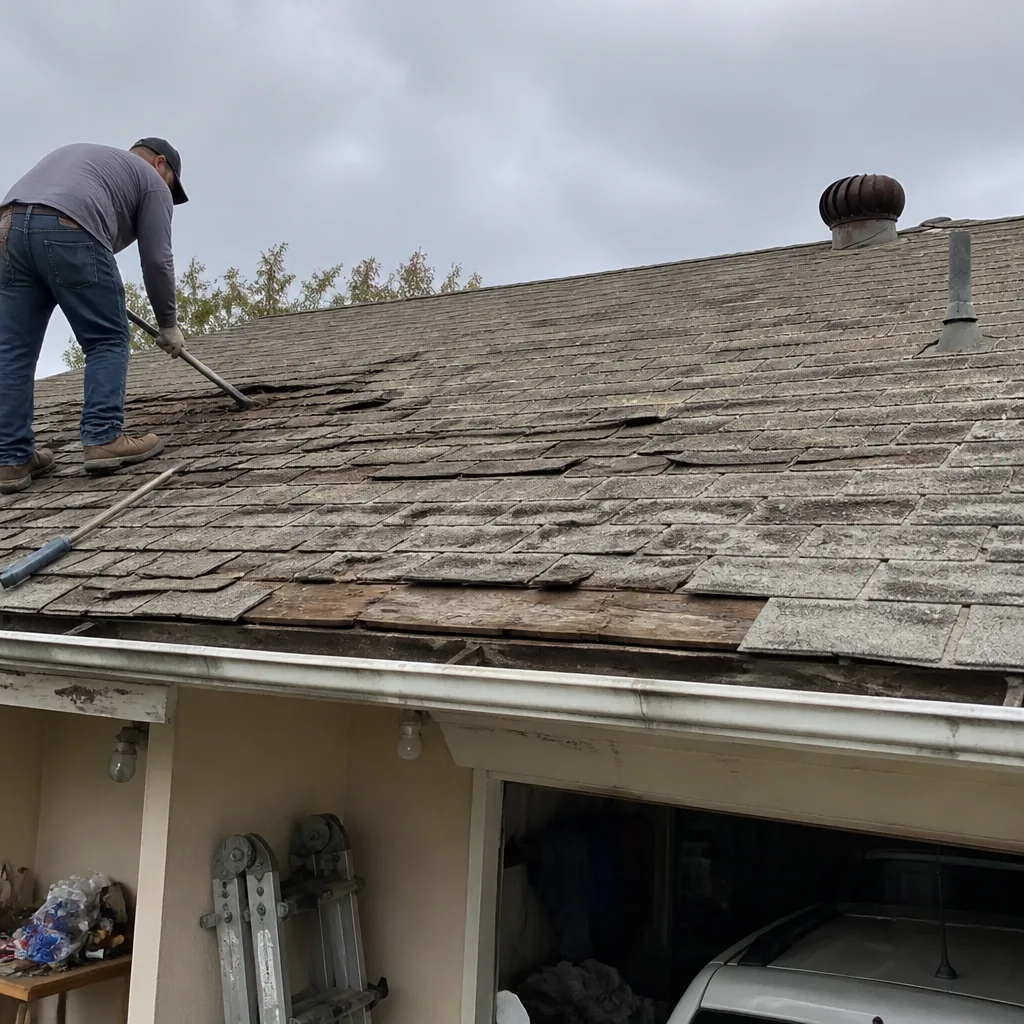 Before
 After
 Before
 After
 Before
 After