Last updated October 31, 2026
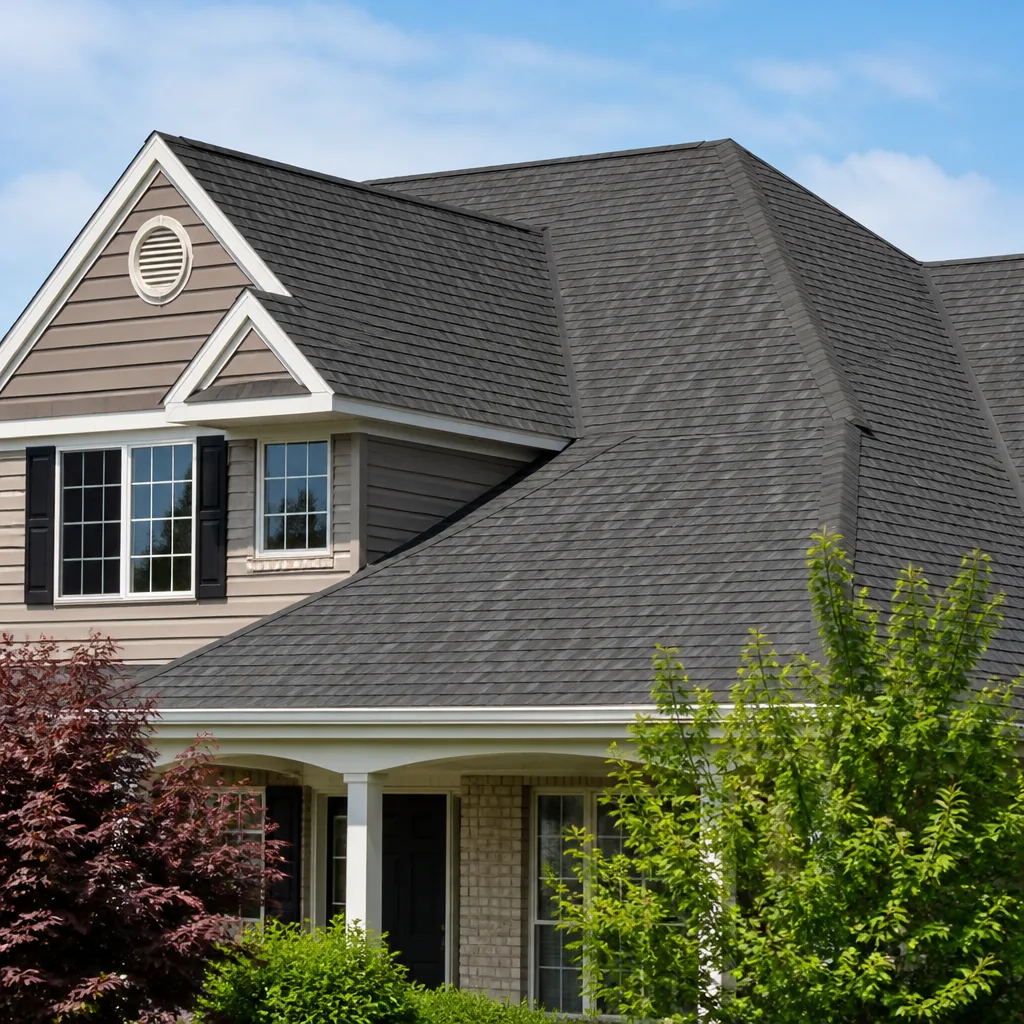 Architectural shingles
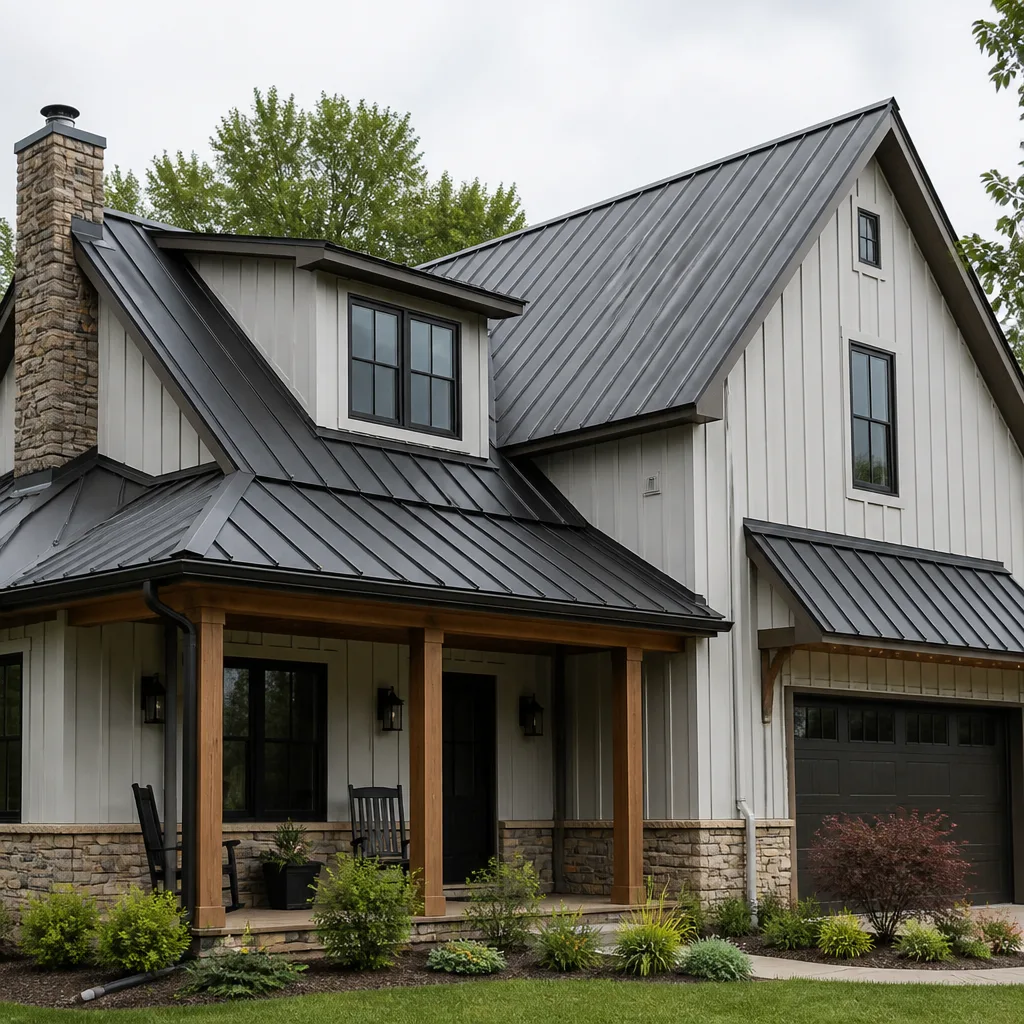 Metal roofing
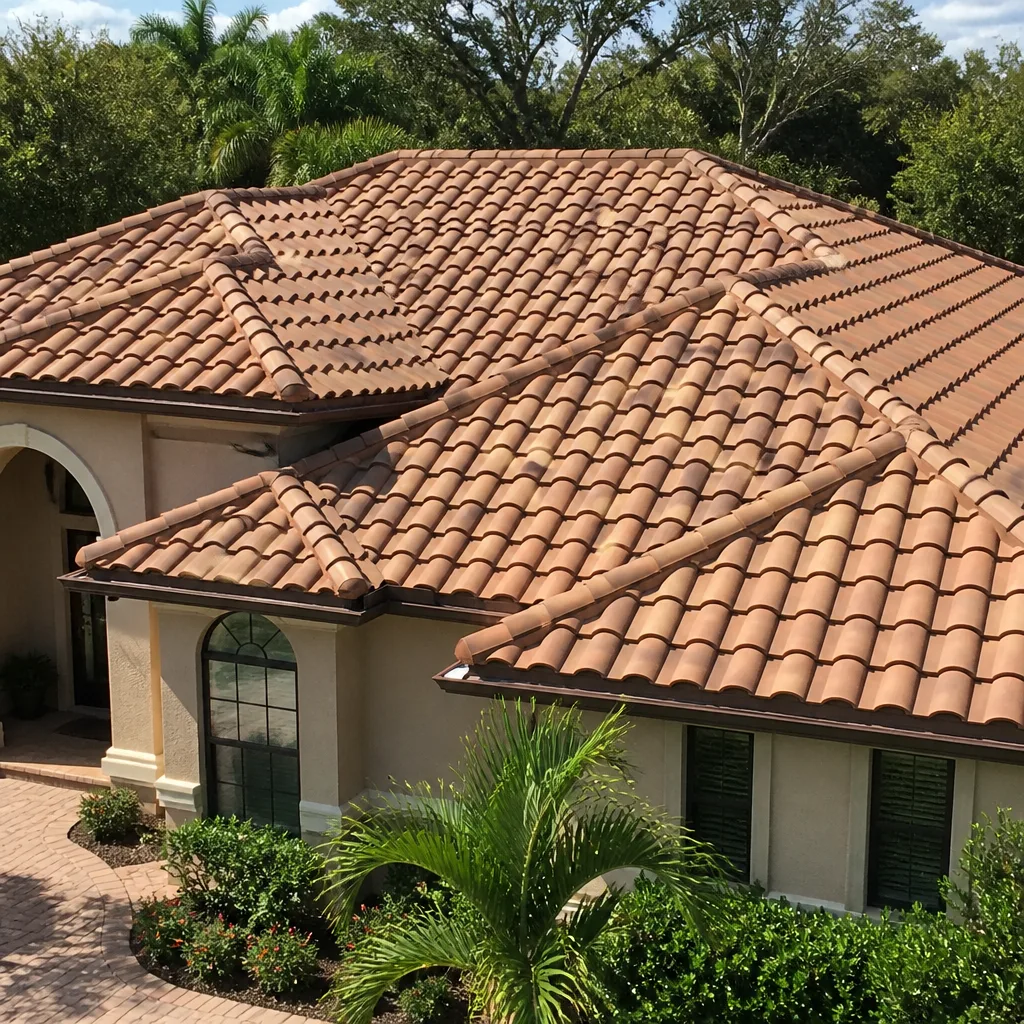 Tile roofing
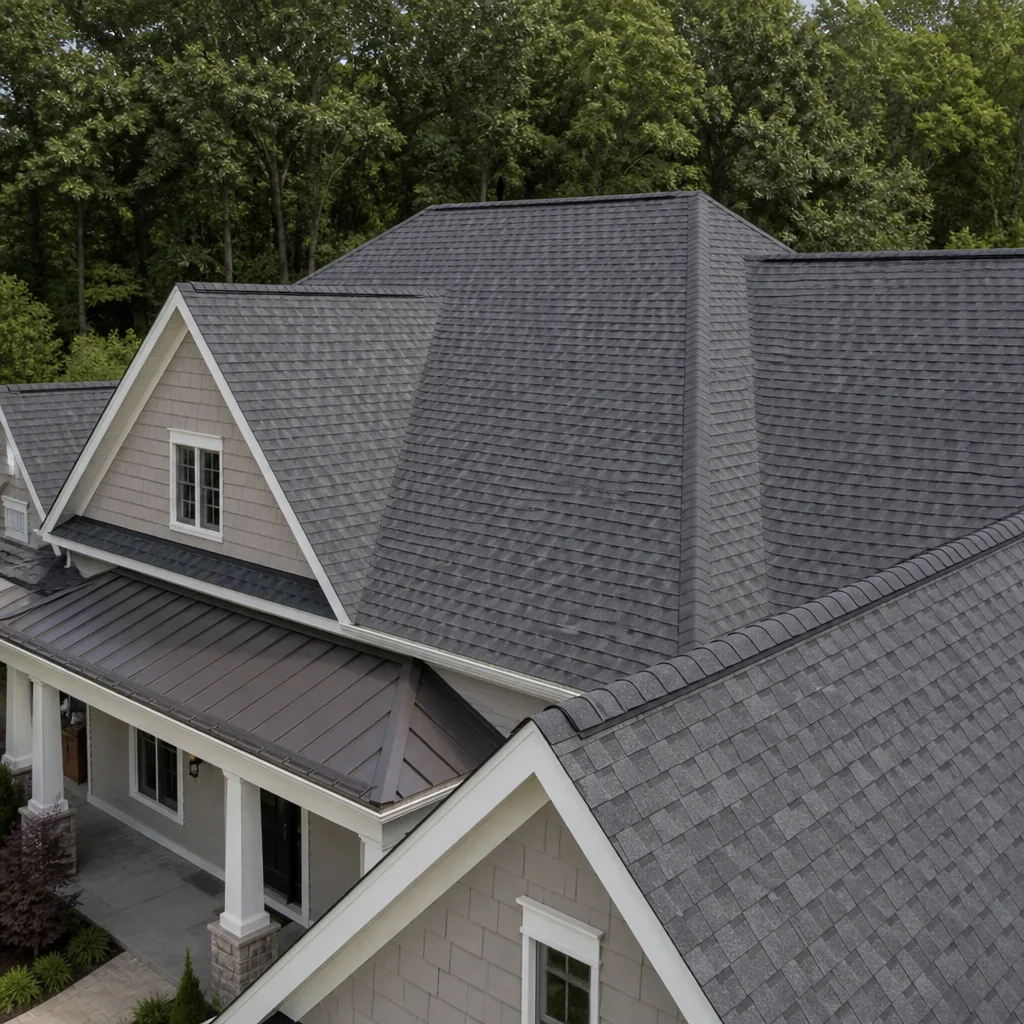 GAF
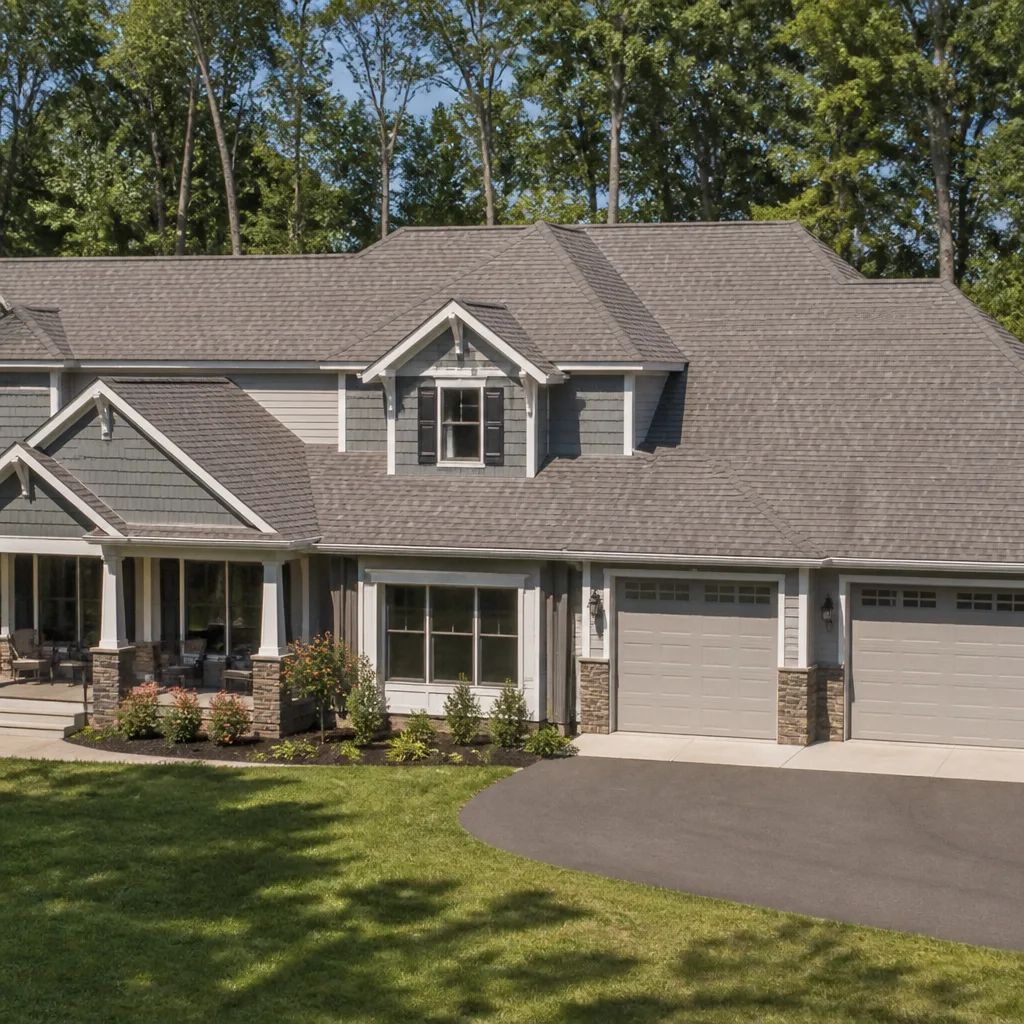 Owens Corning
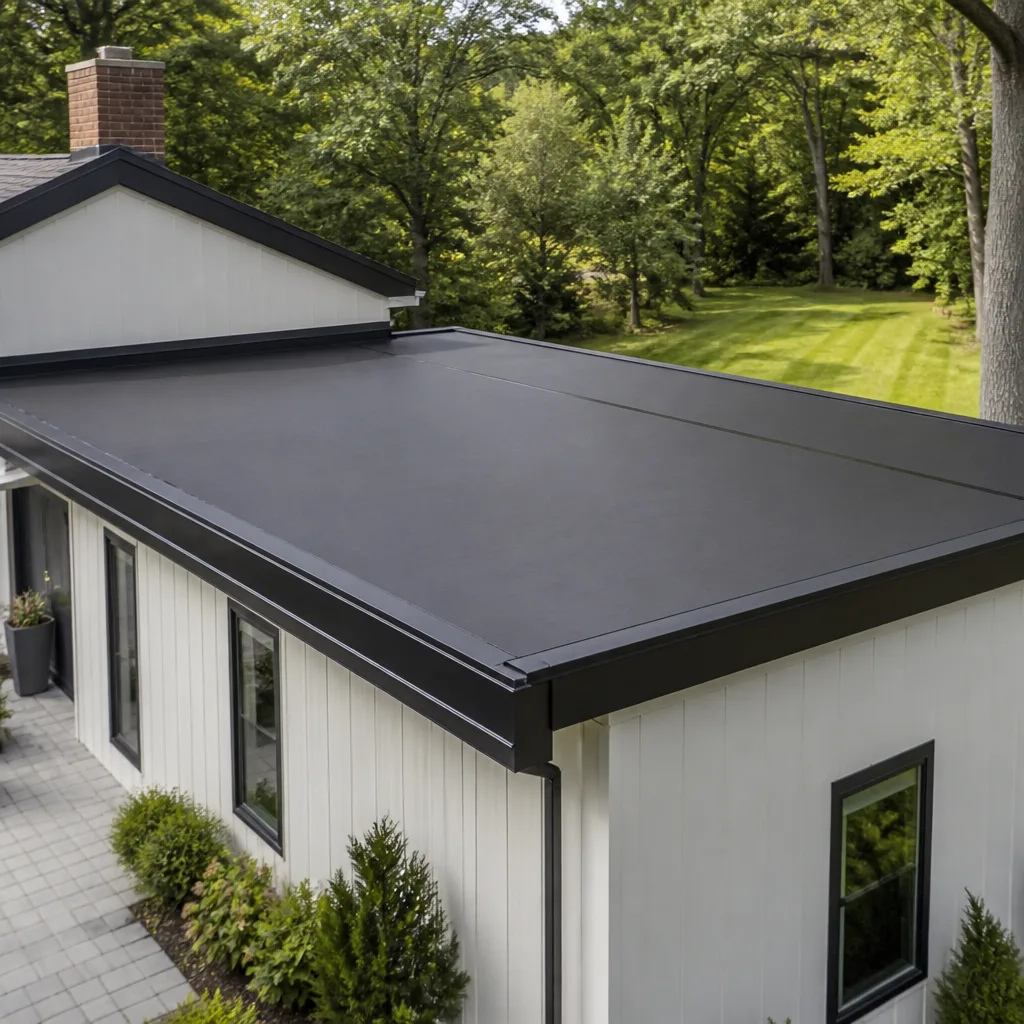 Flat & low-slope
Free roof inspection with deck photos before we talk money - GAF and Owens Corning certified installation
The Complete Roof Repair Guide for La Habra Homeowners
La Habra sits in a meteorological pocket that most roofing guides never mention. The marine layer that rolls through the Whittier Hills doesn’t just bring fog, it parks moisture on your roof deck for hours at a stretch, day after day. That’s a fundamentally different aging environment than Fullerton or Brea, and it changes which repairs matter most. This guide covers how La Habra’s specific climate damages roofs, what repairs actually cost here, when a patch is smarter than a replacement, and what the local permit process looks like when work starts.
Quick Answer
Roof repair in La Habra typically costs between $450 and $1,800 for common damage like missing shingles, flashing failures, or localized deck rot, while larger structural repairs run $2,500 to $7,500. The single most important step before any repair is a deck inspection, because La Habra’s marine layer moisture means what looks like a simple shingle issue often has hidden decking damage underneath. Dauntless Roof Repair offers free Roof Repair services estimates, and repair is only recommended when the remaining material life justifies the investment.
Styles & brands we work with
Table of Contents
- How La Habra’s Climate Damages Roofs Differently
- The Damage Patterns We See Most in La Habra
- Roof Repair Costs in La Habra: Real Numbers
- Repair vs. Replacement: The Honest Decision Tree
- La Habra Permits for Roof Work: What Actually Happens
- Why a Deck Inspection Comes Before Every Quote
- Material Choices: Seven Brands, One Honest Recommendation
- Common Mistakes to Avoid
- When to Call a Professional
- Frequently Asked Questions
How La Habra’s Climate Damages Roofs Differently
La Habra gets roughly 40 more fog days per year than inland cities like Whittier or La Mirada. That number matters because fog isn’t just atmospheric scenery, it’s a moisture delivery system. When the marine layer sits over your roof for six to ten hours at a stretch, the decking absorbs humidity through every seam, nail hole, and worn shingle edge. Wood expands. Fasteners loosen. And the cycle repeats hundreds of times before you ever see a leak inside.
The second factor is the wind pattern coming through the Puente Hills. Air moves through that gap with enough consistency that north-facing roof slopes in La Habra lose shingle granules at a measurably faster rate than south-facing slopes. Granules aren’t cosmetic. They protect the asphalt layer from UV breakdown. Once they erode, the shingle substrate bakes and cracks, and you’re looking at replacement far earlier than the manufacturer’s warranty predicted.
Combine those two forces, persistent moisture and directional wind exposure, and you get the classic La Habra roofing profile: accelerated wear on north slopes, hidden deck rot along the eaves, and fascia boards that soften years before any interior stain shows up. A generic roofing guide won’t tell you that. A roofer who works here every week will.
The neighborhoods tell the story clearly. Homes in the hills above Hacienda Road face more direct wind exposure and tend to show granule loss earlier. Homes along the lower flats near Imperial Highway deal with more marine layer saturation and more frequent fascia repairs. Neither pattern is catastrophic on its own, but both demand a repair strategy that accounts for where your house sits, not just what your shingles look like from the ground.
The Damage Patterns We See Most in La Habra
After years of inspections across the city, the same five problems show up with almost predictable regularity.
1. Granule Loss on North-Facing Slopes
If you walk your property and notice your north slope looks thinner, lighter, or more patchy than the rest of the roof, that’s not your imagination. Wind-driven abrasion from the Puente Hills gap strips granules from those shingles first. You’ll often find a gritty pile in the gutters on that side long before you see any other problem. Granule loss shortens the shingle’s functional life by exposing the asphalt substrate to direct sun, and in La Habra’s UV intensity, that degradation moves fast once it starts.
2. Fascia Rot from Marine Layer Saturation
Fascia boards are the long horizontal boards that run along your roofline, directly behind the gutters. In La Habra, morning fog condenses on roof edges, drips down, and keeps those boards damp for the first half of most days. Paint hides the problem at first. Then the wood begins to soften, paint blisters, and eventually a gutter pull reveals spongy wood underneath. Fascia replacement runs $12 to $25 per linear foot in La Habra depending on whether it’s simple 1×6 replacement or a full soffit-and-fascia rebuild. The telltale sign is bubbling paint along the roofline on the north and west sides of a house.
3. Deck Delamination at the Eaves
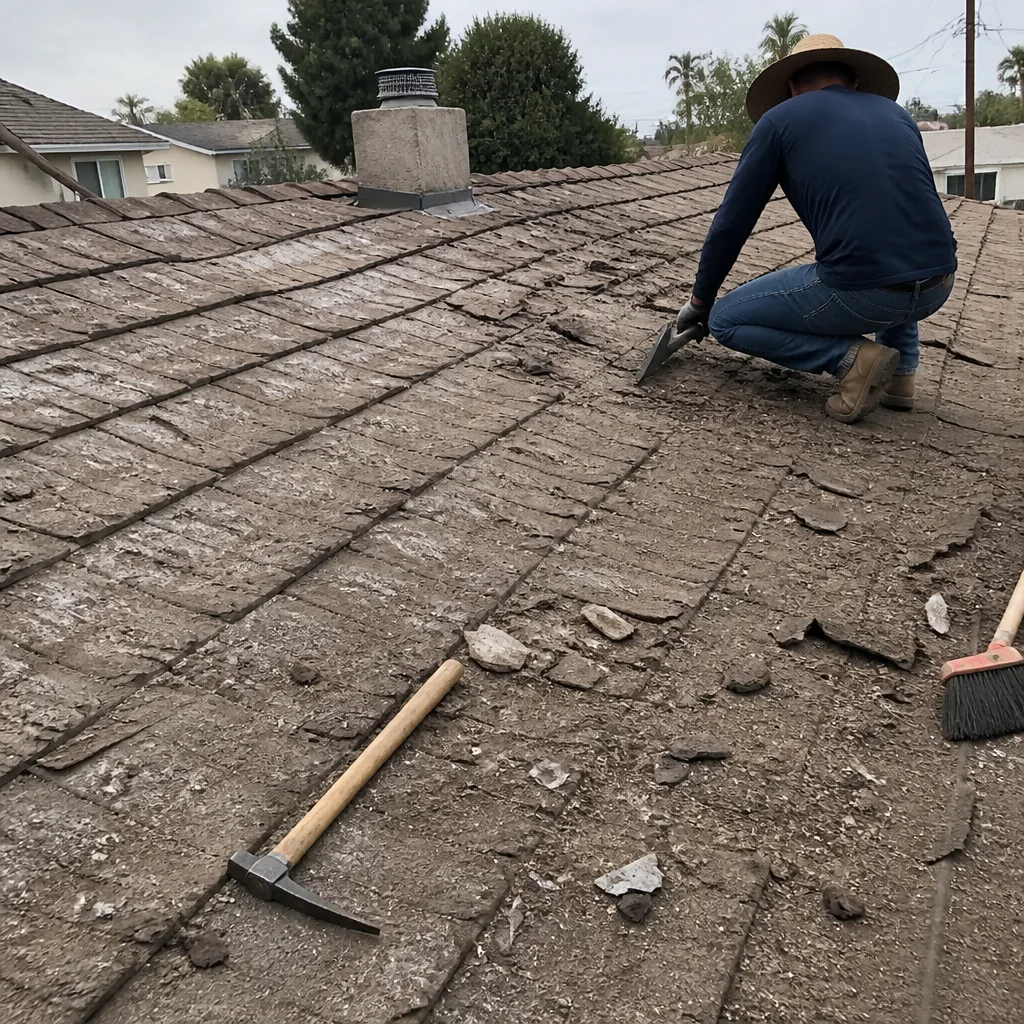
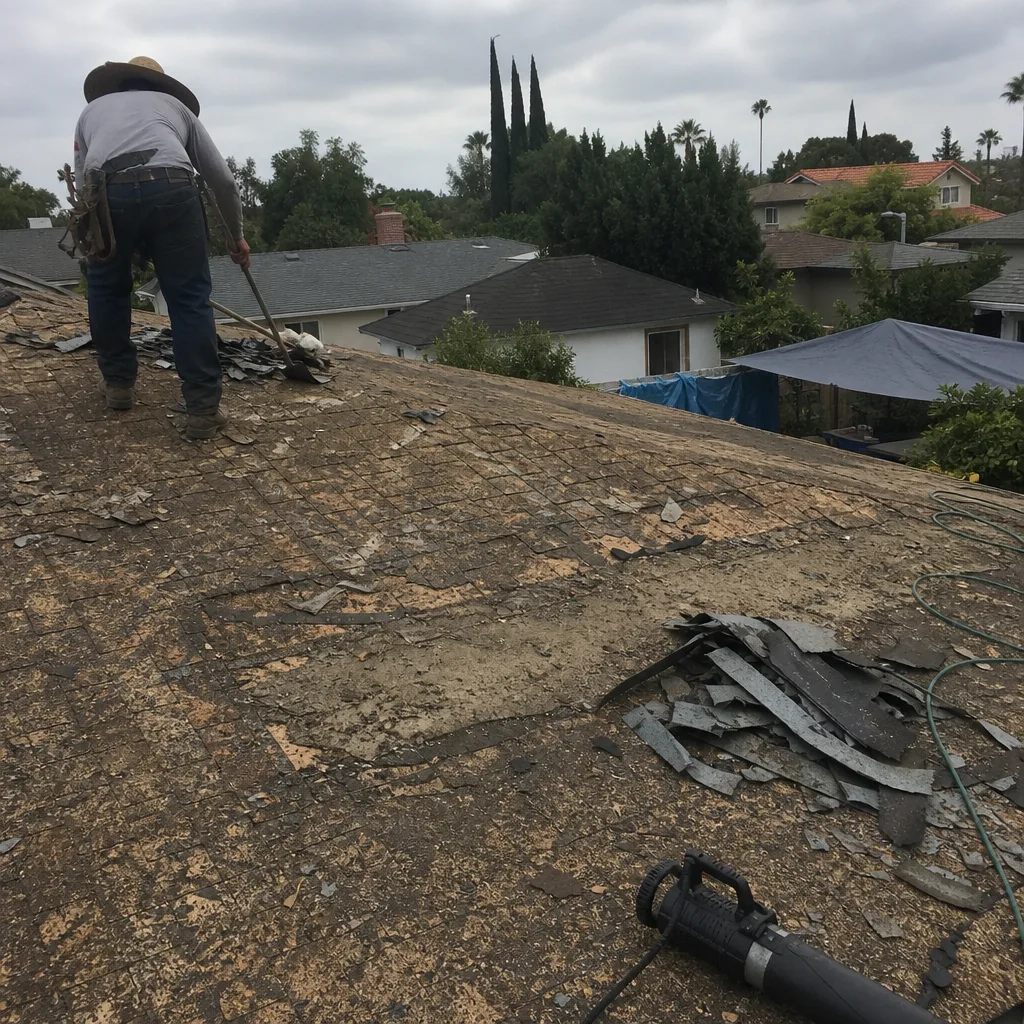
Plywood roof decking is made of thin layers bonded together. Moisture cycling causes those layers to separate, a condition called delamination, and it happens most at the eaves where fog drips and seasonal rain collect. A delaminated deck won’t hold new fasteners properly, which means any shingle applied over it is temporarily attached at best. This is the single most common reason a “simple repair” becomes more involved once a roofer gets eyes on the deck.
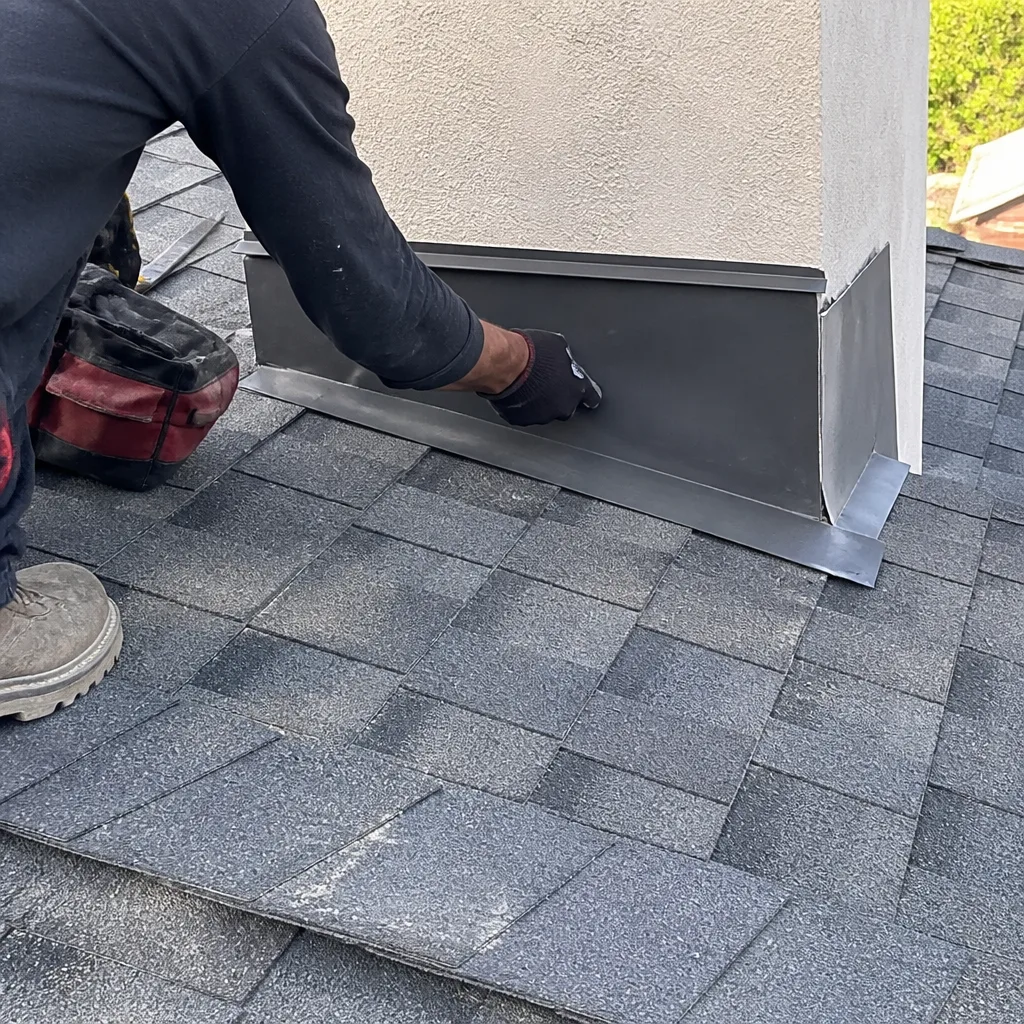
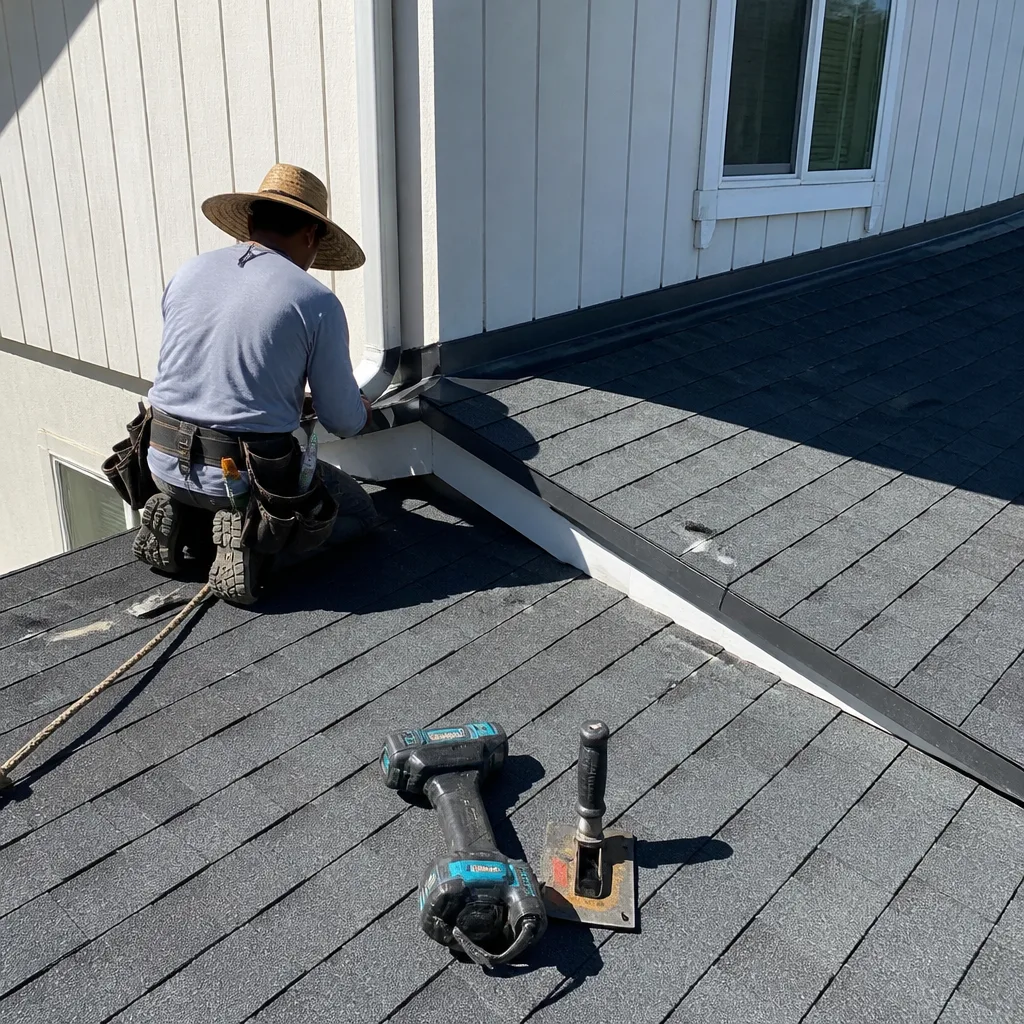
4. Flashing Failures at Valley and Wall Transitions
La Habra has a high concentration of mid-century homes with complex rooflines, meaning lots of valleys, dormers, and sidewall transitions. Every one of those intersections has metal flashing, and flashing eventually fails. When it does, water doesn’t drip straight down; it migrates sideways along the deck for feet before finding a seam and showing up as a stain somewhere unexpected. If a leak appears in a room that isn’t directly under a roof edge or valley, suspect flashing first.
5. Fastener Backout from Thermal Cycling
La Habra’s temperature swings aren’t as extreme as desert cities, but the daily heating and cooling cycle through the marine layer season is enough to cause nail backout over time. A nail that works its way up punctures the shingle above it and creates a tiny water entry point. Left alone, that pinhole rots the deck around it. During a repair, a roofer should check for raised nails across the entire roof, not just the section getting patched.
Roof Repair Costs in La Habra: Real Numbers
Every roofing guide publishes a national average that’s somewhere between useless and misleading. Here’s what repairs actually cost in La Habra’s market, based on the jobs we quote weekly.
| Repair Type | Typical La Habra Cost | What’s Included |
|---|---|---|
| Shingle replacement (small section, 10-20 shingles) | $450 – $750 | Material, labor, nail check on surrounding area |
| Flashing repair or replacement at one valley or wall | $600 – $1,200 | Old flashing removal, new metal, resealing |
| Fascia and soffit repair (single side of house) | $900 – $2,100 | Rotted section replacement, priming, painting |
| Deck repair (localized rot, underlayment replacement) | $1,500 – $3,500 | Decking replacement, ice and water shield, shingle reinstall |
| Pipe boot or vent boot replacement | $350 – $600 | New boot, sealant, surrounding shingle check |
| Ridge vent or ridge cap repair | $500 – $900 | Cap replacement, ventilation check |
What drives the spread between the low and high end of each range? Three things. First, accessibility: a single-story ranch with a walkable pitch costs less to repair than a two-story with a steep roof that requires safety equipment. Second, deck condition: if the wood under the shingles is soft, every repair expands. Third, material match: if you have a discontinued shingle line, the repair may need to blend multiple products, adding labor even if the material cost stays low.
Flat-rate patch quotes without a deck inspection mean nothing in La Habra. The deck is where hidden costs live. Any roofer who looks at your roof from the ground and quotes $389 for “roof repair” is either not planning to pull the shingles, or planning to surprise you with a change order once the work starts. Neither is honest. A real assessment walks the roof, pulls up suspect shingles, checks the deck, and gives you a written line-item quote before any work begins.
Repair vs. Replacement: The Honest Decision Tree
Here’s the decision process we walk every La Habra homeowner through, step by step. It’s not about what we prefer to sell. It’s about what your roof actually needs.
- Determine the roof’s age and material. Asphalt shingle roofs in La Habra’s marine layer environment typically last 18 to 25 years. Tile roofs can go 40 to 60. If your shingle roof is past year 20, repairs are a bridge, not a long-term solution.
- Assess the damage scope. If granules are failing across the entire roof, not just one slope, the roof is in systemic decline. Repairs become whack-a-mole. If damage is isolated to one valley, one flashing point, or one section of decking, a repair makes fiscal sense.
- Check the deck. This is the step that changes the conversation. If decking is solid, a repair’s cost is contained. If decking is delaminating in multiple areas, you’re paying to open and close big sections of roof, and at some point the labor cost approaches replacement territory.
- Look at the remaining material life. A 20-year-old roof with 3 years of expected life left should not get a $3,000 repair unless the seller’s disclosure demands it or you’re planning a full replacement soon and just need to bridge a season.
- Factor in future plans. If you’re selling within 24 months, a modest repair may be smart. If you’re staying 10 years and the roof is at end of life, replacement is almost always the better per-year value.
- Consider the aesthetic mismatch. Shingle colors fade. A repair on a prominent slope with slightly mismatched shingles is fine on the back of the house and unsightly on the front. Be honest about which one you’re dealing with.
The core principle: repair when repair is right, replace only when it’s time. Some companies push replacement because it’s a bigger invoice. That’s not how we work. We’ll tell you exactly what your roof needs, and exactly what it doesn’t.
La Habra Permits for Roof Work: What Actually Happens
La Habra follows California Building Code with city-specific enforcement. Here’s what the permit process looks like for different scopes of work.
- Minor repairs under 100 square feet: Generally no permit required. This covers most shingle patches, flashing replacements, and small deck repairs. The key phrase is “minor” and the work must not alter the roof structure.
- Repairs exceeding 100 square feet or involving structural decking replacement: Permit required. The city wants to verify that the decking replacement meets current shear and fastener requirements, especially on older homes where original decking was thinner than today’s code.
- Reroof overlay (new shingles over existing): Permit required. La Habra allows one overlay in most cases, but the inspector will check deck condition and verify the existing roof is structurally sound enough for the added weight.
- Full replacement (tear-off and new roof): Permit required with full inspection. The inspector will check decking, underlayment, flashing, and ventilation before final sign-off.
Here’s the part most guides skip: when does the inspector actually show up? For repair permits, inspection happens after the work is complete but before final sign-off. For replacements, you’ll typically see two inspections: one after decking and underlayment go down, and one after the final roof goes on. The City of La Habra Building Division usually schedules within a few days of the request, and your contractor handles the scheduling. You shouldn’t have to chase anyone.
One more local note: if your home is in a planned development with an HOA, check the CC&Rs before any visible roof work. Some La Habra HOAs restrict shingle colors or require board approval for partial repairs that alter appearance. It’s not a city issue, but it can become a homeowner headache if skipped.
Why a Deck Inspection Comes Before Every Quote
We won’t quote a repair without inspecting the deck underneath the shingles. That’s not a preference; it’s the only way to give you an honest number. Here’s what a real deck inspection covers and why each step matters.
- Visual walk of the entire roof surface. We look for granule loss, raised nails, cracked shingles, and cupping. The surface tells us where to look closer underneath.
- Probing suspect areas from the top. Soft spots, spongy sections, or visible deflection under foot pressure indicate deck rot. A screwdriver probe rarely lies.
- Attic inspection when accessible. From underneath, we check the underside of the deck for water stains, dark spots, or delaminated plywood layers. This reveals moisture damage that hasn’t yet shown up on the surface.
- Eave and fascia examination. The edges of the roof are where La Habra’s fog moisture concentrates. We check for soft fascia, delaminating eave decking, and rusted drip edge.
- Flashing and penetration review. Every pipe boot, vent, valley, and wall intersection gets checked for rust, separation, or failed sealant.
A flat-rate patch quote skips nearly all of this. It assumes the deck is fine, which in La Habra’s moisture environment is not a safe assumption. When we inspect, we find deck damage that the homeowner didn’t know about roughly 40 percent of the time. That’s not because roofs here are failing more often; it’s because the marine layer cycle attacks the deck long before the shingles show visible damage. The cost of knowing is an hour of inspection time. The cost of not knowing is a patch that fails in two years because the deck under it wasn’t sound.
Material Choices: Seven Brands, One Honest Recommendation
Most roofing companies are tied to one manufacturer. They’re certified installers for that brand, they buy in volume, and their recommendation is always suspiciously convenient. We carry seven brand lines – GAF, CertainTeed, Owens Corning, IKO, Atlas, Tamko, and Boral – because the right material for a North La Habra hillside home is often different from the right material for a flat-land rancher near the civic center.
Tamko’s Heritage line, for example, holds up well against the wind-driven granule loss we see on north-facing slopes. CertainTeed’s Landmark series has a strong track record in moisture-heavy environments, which applies to most of La Habra’s marine layer exposure. Boral’s lightweight tile options matter for older homes where the structure wasn’t engineered for heavy clay tile.
Our brand-agnostic position means the question isn’t “which shingle can we sell you from our warehouse,” it’s “which product matches your exposure, budget, and warranty preference.” Seven brands. One honest recommendation. That’s the whole point.
The material decision also drives the repair longevity math. A repair on a roof with quality architectural shingles from GAF or CertainTeed can reasonably add 5 to 10 years of life. A repair on a roof with 3-tab shingles near the end of a 20-year cycle is buying time, not buying longevity. The brand matters, but the roofing system’s age matters more.
Common Mistakes to Avoid
- Getting a patch quote before a deck inspection. Any number quoted without checking the deck underneath is a guess. In La Habra’s moisture environment, a guess is usually a lowball that turns into a change order.
- Ignoring granule loss in the gutters. If you see grit piling up in the downspout, your shingles are telling you they’re failing. Waiting until leaks appear means you’ve waited until the deck absorbs water, which triples the repair cost.
- Choosing the cheapest material match for a visible slope. A mismatched patch on the front of a La Habra home hurts curb appeal and resale value. On low-visibility slopes, the cheaper match makes sense. On the street-facing side, spend the money for a proper blend.
- Deferring fascia repair because the leak hasn’t appeared inside. Fascia rot from the marine layer cycle operates independently of interior leaks. By the time water shows up on your ceiling, the fascia has usually been rotting for two to three years.
- Assuming a roofing permit isn’t needed for larger repairs. La Habra requires permits for work over 100 square feet or structural decking replacement. Skipping the permit creates a disclosure problem when you sell, and the city can require the work be opened for inspection after the fact.
- Paying for a full replacement when the deck is solid and damage is isolated. This is the opposite of the patch-lowball problem. Replacement companies push full replacement because the invoice is ten times bigger. If your damage is isolated and the remaining material life is 8-plus years, a repair is the honest choice.
When to Call a Professional
Some repairs are within reach of a confident DIY homeowner. Replacing a single shingle on a walkable single-story roof, recaulking a pipe boot, or cleaning a gutter is doable with basic tools and good safety practices. But most roof work deserves a professional, and certain situations demand one.
Call a professional when you see water stains on ceilings or walls, when granules fill your gutters every time it rains, when you hear dripping that you can’t source, or when you notice daylight coming through the attic in spots where it shouldn’t. Our How to Hire a Roofing Contractor in La Habra: A Step-by-Step Guide can help you choose the right one. Call a professional when you have a roof leak and you can’t identify the entry point within an hour of looking, because water migrates in ways that fool homeowners routinely. And call a professional before you walk any roof with more than a 6:12 pitch, because fall injuries change lives.
Dauntless Roof Repair offers free estimates in La Habra, and we’re honest about when a repair will hold and when it won’t. Call (844) 750-0317 to schedule yours.
Frequently Asked Questions
Most roof repairs in La Habra run between $450 and $1,800 for typical shingle, flashing, and fascia work, while deck repairs and larger structural fixes run $2,500 to $7,500. The final number depends on deck condition and accessibility. Call (844) 750-0317 to schedule a free estimate and get an exact line-item quote for your roof.
Yes, when the damage is isolated and the remaining material life justifies the cost. A roof with 8 or more years of expected life is usually a repair candidate. A roof that’s past year 20 with systemic granule loss is not, because repairs become recurring expenses that add up to replacement cost without the benefit of a new roof. We’ll tell you honestly which category your roof falls into.
Minor repairs under 100 square feet typically don’t require a permit in La Habra. Anything larger, any structural decking replacement, any overlay, and any full replacement requires a permit and inspection through the City of La Habra Building Division. Your contractor should handle the permit process.
The deck is the wooden layer under your shingles, and in La Habra’s marine layer moisture, it can rot even when the shingles look fine from the ground. Inspecting the deck before quoting prevents a lowball estimate that becomes a surprise change order once the work starts. It’s the difference between a real number and a guess.
Most shingle, flashing, and fascia repairs in La Habra are completed in one day, sometimes two when decking replacement is involved. Larger structural repairs can extend to three or four days, especially if the work requires a permit inspection before the roof is closed up.
Granule loss on north-facing slopes, driven by the wind pattern through the Puente Hills gap, is the most common problem we see. It’s followed closely by fascia rot from the persistent marine layer moisture. Both are invisible from the ground and both are cheaper to address early than late. Call (844) 750-0317 to schedule your free inspection.
The Bottom Line
La Habra’s climate punishes roofs differently than neighboring cities, and that changes how you should think about repairs. The marine layer attacks your deck and fascia years before leaks show up inside. The Puente Hills wind strips granules from north slopes faster than any manufacturer’s warranty table predicts. So the smart move is regular inspection, honest repair when damage is isolated, and replacement only when the roof’s remaining life no longer justifies another patch. For more guides & resources on protecting your La Habra home, visit our blog. Dauntless Roof Repair is the full-lifecycle roofing specialist in La Habra, from first inspection to final nail, one crew owns the job. Call (844) 750-0317 to schedule your free estimate.
Written by the team at Dauntless Roof Repair, serving La Habra since 2017.
Ready to talk about your roof? Read more about Roof Repair in La Habra, or explore Roof Replacement in La Habra if your roof is nearing end of life. If you’re not sure what your roof needs, start with a Roof Inspection in La Habra.
See the difference
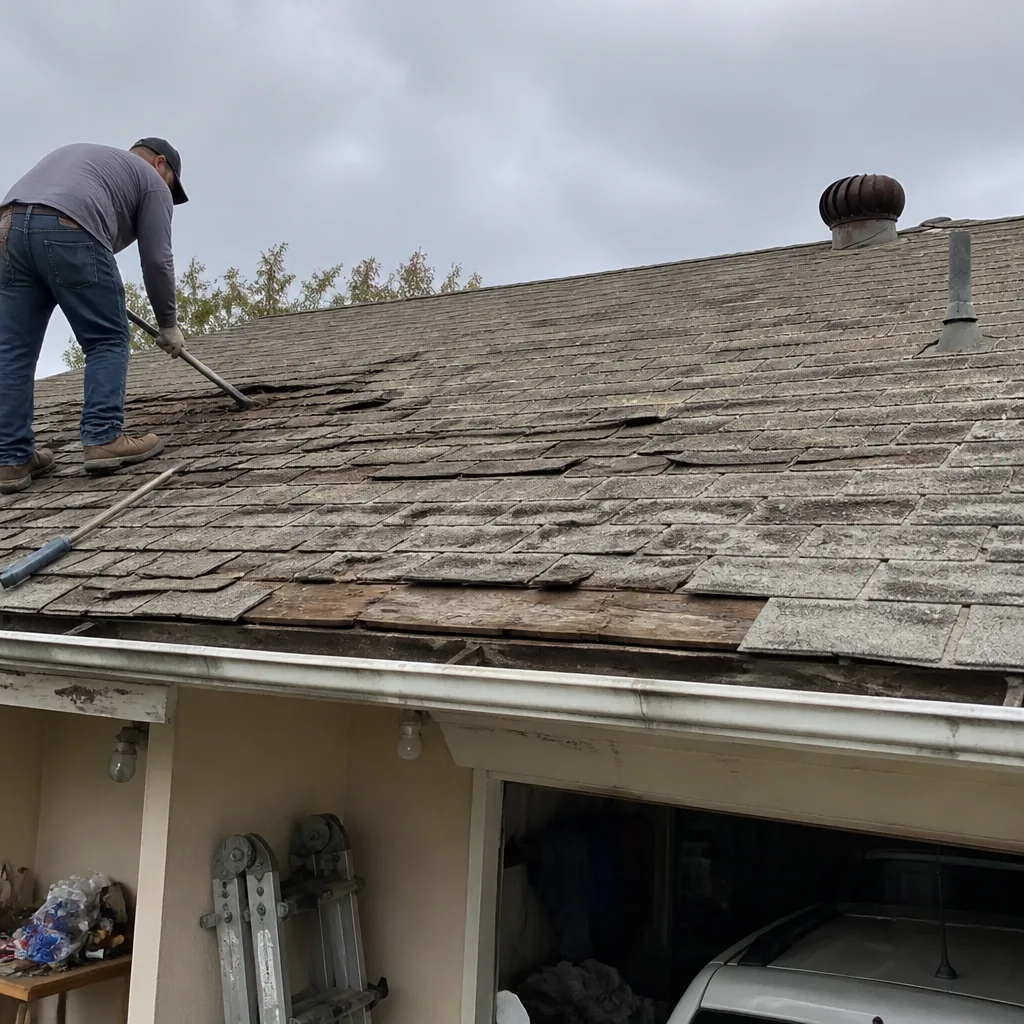 Before
 After
 Before
 After
 Before
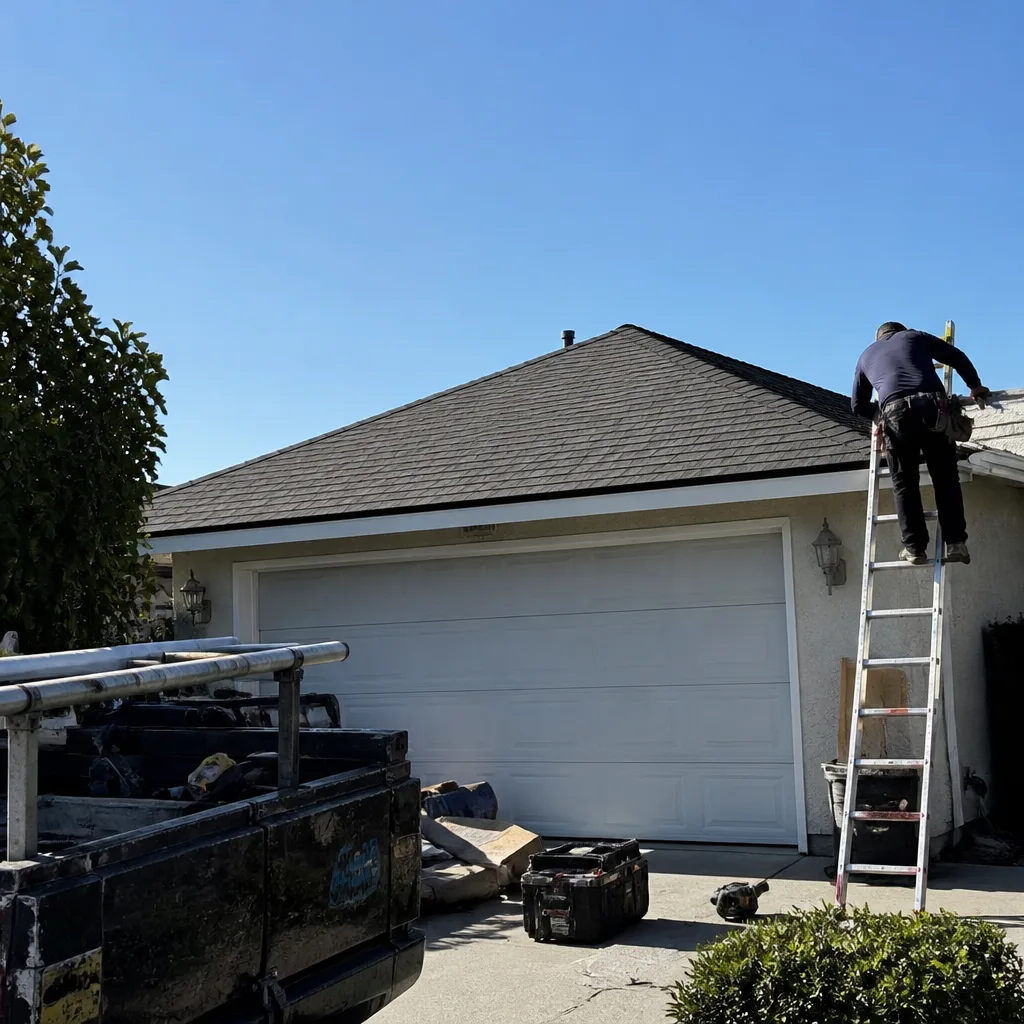 After