
Last updated October 31, 2026
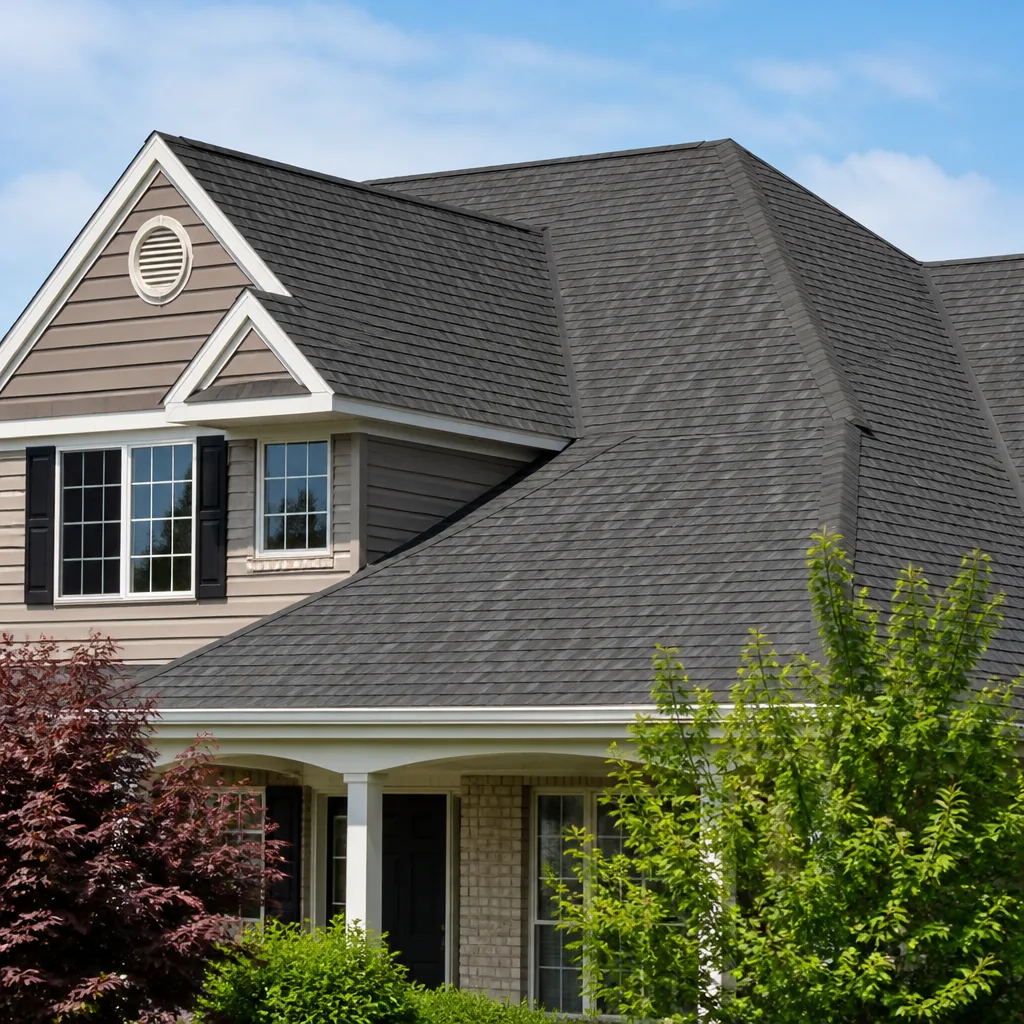 Architectural shingles
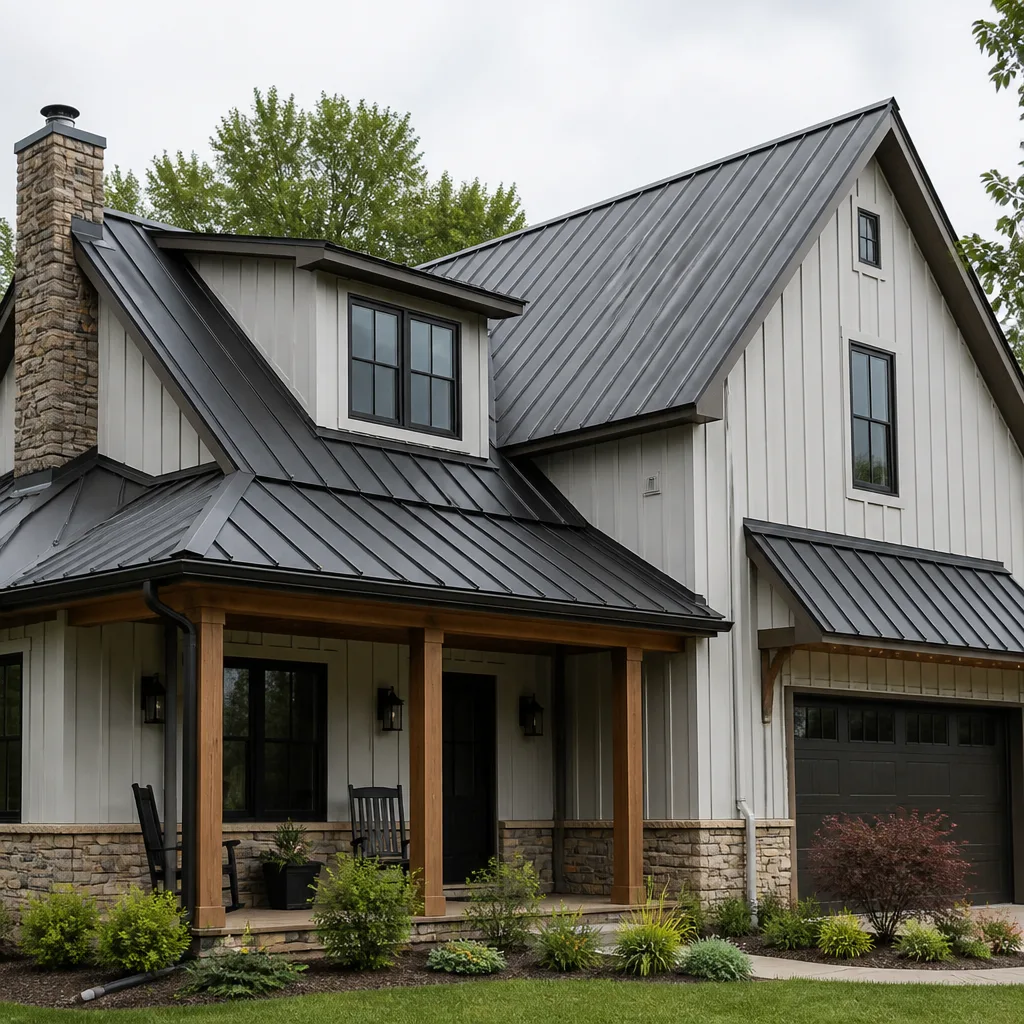 Metal roofing
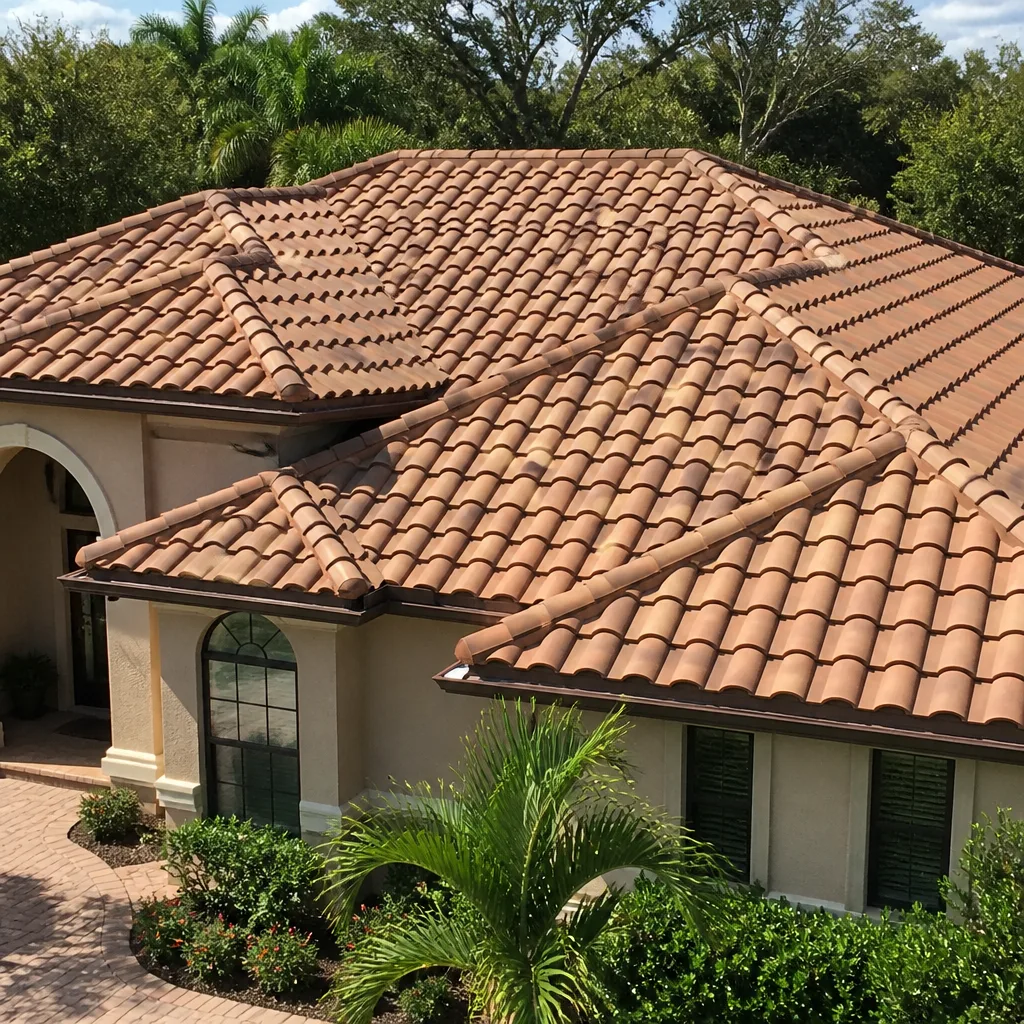 Tile roofing
 GAF
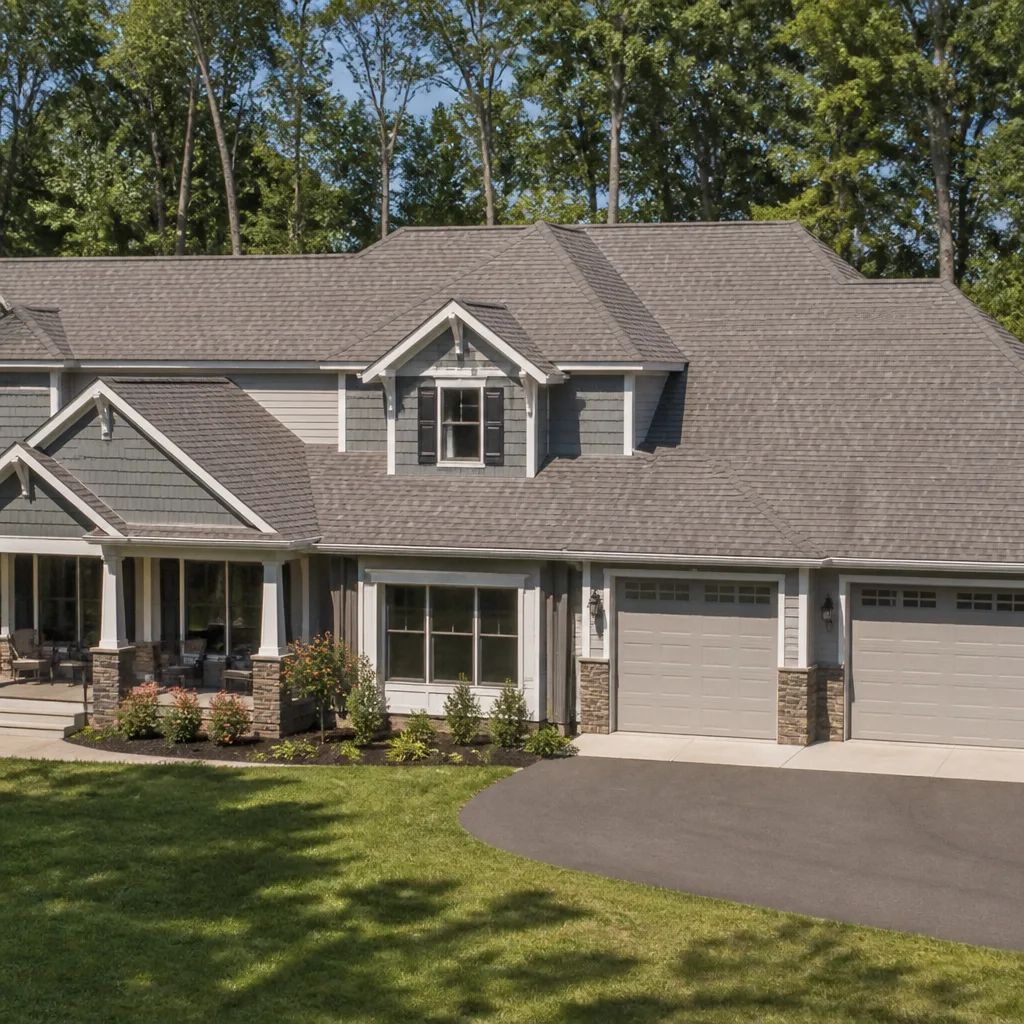 Owens Corning
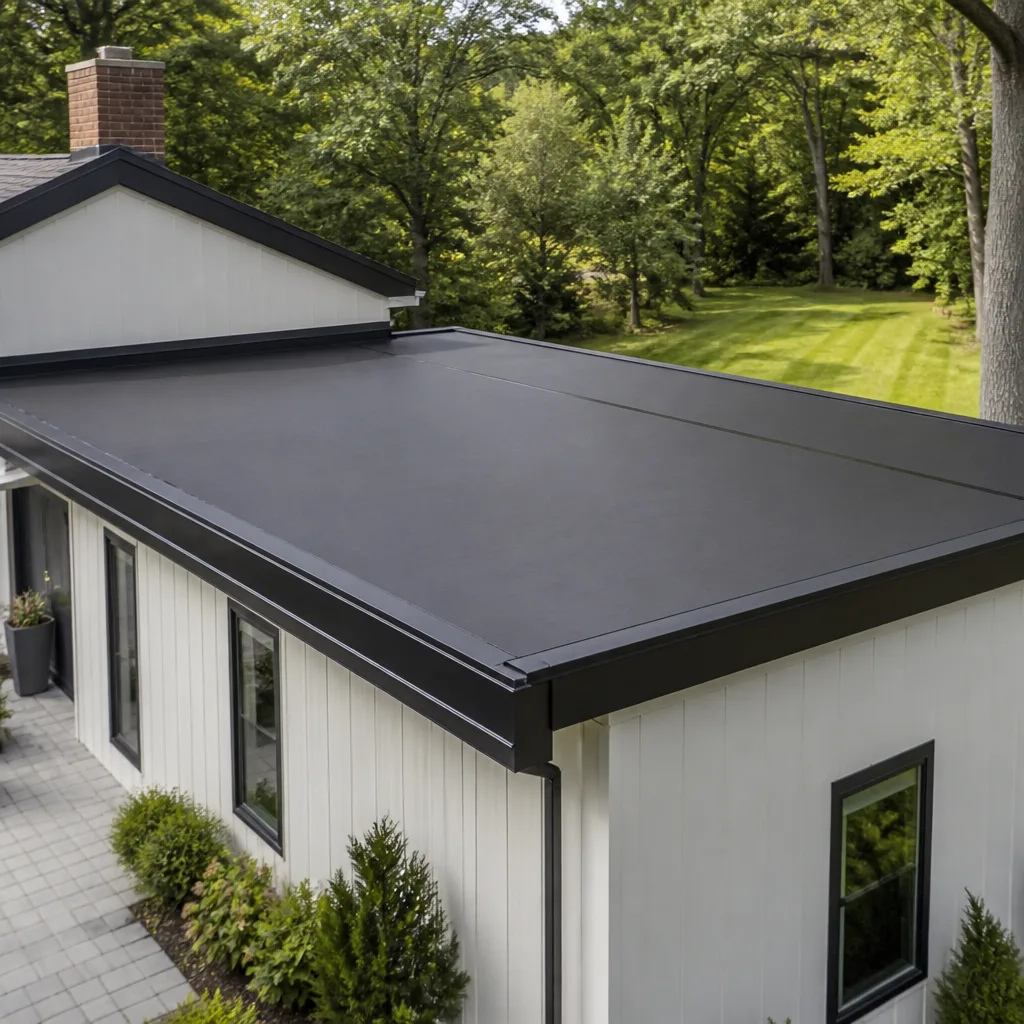 Flat & low-slope
Free roof inspection with deck photos before we talk money - GAF and Owens Corning certified installation
Roof Repair Troubleshooting: Common Problems and How to Fix Them
The leak stain on your ceiling is almost never directly below where water is getting in. Water enters at a breach, travels along rafters or sheathing, and drips at the lowest point it can find – which is why fixing the spot above the stain fixes nothing. This guide teaches the diagnostic sequence a roofer actually uses, working backward from the visible damage to the true entry point. We’ve put this together from years of running roof inspections across La Habra, where we see the same misdiagnoses repeat themselves on home after home.
Styles & brands we work with
Quick Answer
Roof Repair services require working backward from the interior water stain to the actual breach point, which can be six feet or more away along a rafter or sheathing seam. Most roof problems fall into five categories: flashing failures, pipe boot seal degradation, valley seam separation, skylight frame leaks, and ridge cap gaps – each with distinct diagnostic signatures and repair approaches. Fixing the wrong spot is the most common and most expensive mistake homeowners make.
Table of Contents
- The Three-Zone Tracing Method: Finding the Real Breach Point
- Condensation vs. Active Leak: Identical Stains, Different Fixes
- The Five Most Misdiagnosed Roof Problems
- DIY Interventions: What Buys Time vs. What Masks Damage
- How to Document Damage for Insurance Without Voiding Your Claim
- Aging Roof Warning Signs in La Habra’s Climate
- Repair vs. Replacement: How to Know Which One You Actually Need
- Common Mistakes to Avoid
- When to Call a Professional
- Frequently Asked Questions
- The Bottom Line
The Three-Zone Tracing Method: Finding the Real Breach Point
Roofers don’t start at the stain. They start at the roof’s surface and work through three zones of possibility, eliminating each one systematically. This is the method we use on every Roof Inspection in La Habra, and it’s the same logic you can apply before you even get on a ladder.
Water follows three rules: it runs downhill, it follows the path of least resistance, and it pools at the lowest elevation it can find before gravity forces it through a gap. When water enters at a nail hole near the ridge, it can travel ten feet along a rafter before the slope flattens enough for it to drip. The stain on your living room ceiling might correspond to a breach near the chimney, the valley, or a vent pipe – none of them anywhere near where you’re standing with a bucket.
Zone 1: The Obvious Suspects
These are penetrations and transitions within a four-foot radius of where the interior stain appears, measured straight up through the attic. Look for pipe boots, vent stacks, attic fans, and any place where roofing material meets a vertical surface. In La Habra’s older track homes built in the 1960s and 1970s, we commonly find original pipe boots that have cracked into brittle plastic rings.
Zone 2: The Extended Search Area
Double the radius to eight feet and add every seam, valley, ridge cap segment, and flashing point. Step flashing behind stucco walls is a notorious culprit in La Habra’s Mediterranean-style construction, where the roof-to-wall transition is hidden behind exterior coating. Water can enter at the wall line and follow the top chord of a truss for six feet before dripping through a nail hole into the ceiling below.
Zone 3: The Whole-Roof Assessment
If Zones 1 and 2 turn up nothing conclusive, expand to the entire roof plane above the stain, plus adjacent planes that drain toward it. A breach on the north-facing slope can send water into the attic, across the insulation, and down through a ceiling on the south side of the house. We’ve traced leaks in La Habra homes that started twenty feet from where the damage appeared, purely because the attic insulation created a channel that directed water along a specific path.
The tracing method saves money because it prevents fixing the wrong thing. Patch the ceiling, repaint, and wait for the next rain – you’ll be patching again within a season. Find the real breach and you fix the problem once.
Condensation vs. Active Leak: Identical Stains, Different Fixes
Condensation damage and leak damage look almost identical on a ceiling – brown rings, peeling paint, sagging drywall. But they require completely different fixes, and treating one like the other wastes money and leaves the real problem untouched. The distinction matters more in La Habra than homeowners expect, because our warm days and cool nights create condensation conditions in attics that are insulated but not adequately ventilated.
How to Tell the Difference
- Check the pattern. Active leaks produce a single, concentrated stain that grows after rain. Condensation produces widespread, uniform discoloration across a ceiling area – often near exterior walls or attic hatches.
- Check the timing. Active leaks worsen within hours of rainfall. Condensation is seasonal, showing up in winter when warm interior air meets cold attic surfaces, or on humid mornings regardless of rain.
- Check the attic. Go into the attic on a cold morning. Condensation will leave moisture on the underside of roof sheathing, on nail points poking through, and on ductwork. Active leaks leave localized wet spots on specific rafters or sheathing boards.
- Check for mineral staining. Active leaks often carry minerals from roofing materials, leaving a yellowish or rusty tint. Condensation is typically clean water with no mineral residue.
If it’s condensation, the fix is ventilation and insulation – not patching the roof. In La Habra, many homes from the 1980s and 1990s were built with marginal attic ventilation, and adding ridge vents or upgrading from passive to powered ventilation solves the problem without touching a single shingle.
If it’s an active leak, the tracing method above applies. We’ve walked into homes where homeowners had spent money on three separate “leak repairs” when the actual problem was condensation from an unvented bathroom fan dumping warm, moist air into the attic. The roof was fine. The exhaust routing was the fault.
The Five Most Misdiagnosed Roof Problems
Some roof problems get blamed for everything, and some get blamed for nothing. Here are the five we see most often – and what actually causes the symptoms homeowners report. This is where a Roof Repair in La Habra starts to make financial sense: knowing what not to fix is half the cost.
1. Skylight Frames
Skylights get blamed for every leak in their vicinity, but the skylight unit itself is rarely the culprit. Most “skylight leaks” are actually flashing failures at the frame-to-roof transition. The metal flashing that laps the skylight curb corrodes over time, especially with older aluminum flashing that reacts with pressure-treated lumber. In La Habra’s sun exposure, we also see dried-out sealant at the frame corners. The fix is usually flashing replacement or resealing, not skylight replacement.
2. Step Flashing Behind Stucco Walls
Where a pitched roof meets a stucco exterior wall, step flashing should be woven between each shingle course and tucked behind the weather-resistant barrier. When that flashing fails – or was never installed correctly – water enters the wall cavity and travels down before showing up inside. La Habra’s Mediterranean-style homes with stucco exteriors are particularly vulnerable because the flashing is hidden and deferred maintenance goes unnoticed for years.
3. Pipe Boot Seals
The rubber collar around vent pipes degrades from UV exposure and thermal cycling. In La Habra, our summer sun bakes these boots until they crack into a ring of fragments. The pipe itself is fine. The boot is shot. This is a $15 part and a 20-minute repair when caught early – and a several-hundred-dollar interior repair when ignored.
4. Valley Seams
Roof valleys carry more water than any other part of the roof, and they’re where two planes of roofing meet and create a seam. When valley metal loosens or the shingle weave through the valley fails, water channels into the gap and spreads across the underlayment. Homeowners often call this a “roof leak” but the fix is localized to the valley seam itself.
5. Ridge Cap Gaps
Ridge cap shingles take the brunt of wind exposure at the roof’s peak. When they lift, crack, or separate, wind-driven rain gets pushed into the gap. This is why we see ridge cap failures after Santa Ana wind events specifically, not after typical rainfall. The repair is removing and replacing the cap – a targeted job that doesn’t require touching the main roof field.
Each of these five problems has a specific signature. Learning to recognize which one you’re looking at – or hiring someone who can – prevents paying for a full replacement when a targeted repair is all the roof needs.
DIY Interventions: What Buys Time vs. What Masks Damage
We’re not going to pretend every roof issue requires a professional. Some fixes genuinely buy time. Others actively make the eventual professional repair more expensive. The difference comes down to whether the intervention addresses the breach point or just hides the symptom.
What Buys Real Time
- Tarping over a confirmed breach area before a rainstorm. A quality tarp, secured with furring strips at the edges, prevents water entry long enough to schedule a proper repair. This is what we recommend for any active leak you can’t fix immediately.
- Clearing debris from valleys and gutters (the gutter we can’t fix, but debris removal helps water flow). Clogged valleys back water up under shingles. Clearing them is risk-free and genuinely effective.
- Documenting damage with photos. This is the single highest-value DIY action you can take. Dated photos of the damage, the interior stain, and the roof surface preserve evidence for insurance regardless of what happens next.
What Masks Damage and Costs More Later
- Sealant applied from inside the attic. Squeezing goo around a rafter joint from below doesn’t stop water entry. It traps moisture, accelerates rot, and makes the eventual repair more invasive because you’ve sealed in the problem.
- Patch-and-paint of the interior stain without fixing the source. The stain comes back, and each cycle further degrades the drywall, insulation, and framing. By the time a roofer arrives, the scope has expanded.
- Roof cement smeared over shingles without identifying the breach. This is the classic “I fixed it” move that doesn’t fix anything. Roof cement cracks within a season in La Habra’s heat, and it makes proper shingle removal harder later because the material bonds to the shingle surface.
The rule we tell homeowners is simple: if your intervention involves water instead of stopping it, you’re masking. If it keeps water from entering while you arrange a permanent fix, you’re buying real time.
How to Document Damage for Insurance Without Voiding Your Claim
Insurance claims for roof damage fail more often from documentation mistakes than from actual coverage denials. The way you document – and what you do before the adjuster arrives – can determine whether your claim is paid or denied.
Step-by-Step Documentation Protocol
- Photograph everything before touching anything. Wide shots of the roof plane, close-ups of the damage area, interior stains with a date stamp or time-stamped metadata. The first photos become the baseline evidence.
- Photograph from multiple angles. Adjusters reconstruct the damage from photos. One angle misses context. Three angles – straight on, forty-five degrees, and from below if accessible – tell the full story.
- Do not remove or repair the damaged material unless it’s actively leaking and causing interior damage. If you must tarp, photograph the damage first, then tarp. If you remove shingles to inspect, the adjuster may argue you altered the evidence.
- Keep receipts for any emergency mitigation. Tarp materials, water extraction, temporary repairs – all of it is typically reimbursable if documented and reasonable.
- Get a professional inspection before the adjuster arrives. When you have a documented inspection report from a roofer, the adjuster is working from the same facts. Without it, you’re negotiating from a position of “the homeowner thinks” versus “the roofer found.”
One more thing: never sign a repair contract that promises to “handle the claim” for you. That arrangement – called assignment of benefits – is restricted in California and can leave you owing money whether or not the claim pays. You want a roofer who gives you a clear scope of work and lets the insurance process run its own course. We provide documented inspection reports and repair scopes for every Roof Inspection in La Habra without putting ourselves between you and your insurer.
Aging Roof Warning Signs in La Habra’s Climate
La Habra’s climate is surprisingly hard on roofs. We don’t get the dramatic storms of the Gulf Coast, but we get sustained UV exposure, temperature swings between summer highs and winter lows, and occasional Santa Ana wind events that stress roofing materials in specific ways. Here are the warning signs that mean aging is overtaking your roof’s ability to shed water.
Granule Loss on Composition Shingles
If you see granules accumulating in gutters or at the base of downspouts, the shingle surfacing is eroding. This is accelerated in La Habra by prolonged sun exposure, which breaks down the asphalt binding the granules to the shingle mat. Once granule loss is visible from the ground, the shingles are typically past the midpoint of their service life. The material quality matters here – we carry GAF, CertainTeed, Owens Corning, IKO, Atlas, Tamko, and Boral in our full-lifecycle lineup, so when replacement time comes, the material recommendation is matched to this specific failure mode, not what’s sitting in a warehouse.
Curling and Cupping at Shingle Edges
Shingles that turn up at the corners or cup in the center have lost the flexibility needed to lie flat. In La Habra, this is a heat-driven failure. The asphalt has oxidized to brittleness. This is the point where a repair-only approach starts losing value because the surrounding shingles are also nearing failure.
Cracked Caulking at Penetrations
Every pipe boot, chimney flashing, and vent collar uses sealant to bridge the transition. That sealant fails from UV exposure faster than the roofing material around it. If you can see cracked, chalky, or pulled-away sealant at any roof penetration, that’s an active entry point for water even if no leak has shown up inside yet.
Daylight Through the Attic Boards
On a sunny day, go into your attic and turn off all lights. If you can see pinpricks of daylight through the sheathing or at ridge joints, water can find the same openings. This is one of the simplest and most underused diagnostic checks a homeowner can do.
Sagging Between Rafters
When the roof deck begins to sag between rafters, the sheathing has absorbed moisture and lost structural integrity. This is not a repair scenario. This is a replacement scenario, and the sooner it’s addressed, the less expensive the eventual project.
The team at Dauntless Roof Repair home handles the full spectrum from inspection through repair through replacement. When we inspect a La Habra roof, we’re cataloging exactly where it sits on the aging curve – because the right recommendation depends on that position, not on what we’d prefer to sell.
Repair vs. Replacement: How to Know Which One You Actually Need
This is the question every homeowner asks, and it’s the question most roofing companies answer with their revenue target in mind. Here’s how to think about it objectively, before you ever make a call.
When Repair Is the Right Answer
- The damage is localized to one area, and the surrounding roofing material is in good condition with no signs of granule loss, curling, or cracking.
- The roof is less than fifteen years old and the failure is at a penetration, flashing point, or seam – not the field of shingles themselves.
- The roof deck is sound with no sagging, no soft spots, and no evidence of moisture intrusion beyond the immediate leak area.
- You’re planning to stay in the home for fewer than five years and the repair will realistically hold.
When Replacement Is the Honest Recommendation
- Multiple shingles are curling, cracking, or losing granules across more than twenty percent of the roof surface.
- The roof has had three or more separate leak repairs in the past five years, which means the failure points are spreading faster than individual patches can hold.
- The roof deck sags, or a moisture meter shows elevated readings across broad areas of the sheathing.
- The roof is past twenty years old with original materials and is showing age-related failure signs.
We take repair-first seriously. It’s baked into our name – Dauntless means we don’t walk away from the hard ones. When a roof genuinely needs only a valley repair or a flashing replacement, that’s what we recommend. When a homeowner requests a repair on a roof that’s failing wholesale, we’ll tell them exactly what needs repair and what needs replacement, and let them decide with accurate information. If replacement is the eventual path, a Roof Replacement in La Habra with material options matched to the home’s specific exposure and budget is the right conversation. But we’ll never inflate a repair scope into replacement just because it’s the bigger invoice.
Common Mistakes to Avoid
- Fixing the interior stain before fixing the roof. The stain is the symptom, not the problem. Patch the ceiling, skip the source, and you’ll be repatching within the same rainy season. In La Habra’s relatively short rain season, a missed leak can go dormant for months and then surprise you when the next winter arrives.
- Assuming the leak is directly above the stain. Water travels. The breach point can be six to ten feet away along a rafter or sheathing seam. Homeowners waste money every week by fixing the “suspicious area” directly above the stain.
- Using silicone or roof cement as a first response. These materials fail quickly under La Habra sun and make the eventual professional repair more expensive because the residue has to be removed before proper materials can be applied.
- Waiting for a “big enough” problem before calling. The small pipe boot crack becomes a small leak. The small leak becomes a rotted deck section. The rotted section becomes a structural repair. Every dollar spent early saves four dollars later.
- Accepting a verbal diagnosis without documentation. If a roofer tells you the roof needs work, get it in writing with photos and specific scope. A verbal “yeah, it’s bad” tells you nothing and protects no one.
- Filing an insurance claim after doing the repair. If you fix it first and file after, the insurer has no damage to inspect and may deny the claim entirely. Document first, mitigate only what’s necessary, then file.
When to Call a Professional
Call a roofer when you see active water intrusion you can’t trace, when multiple repair spots have accumulated over time, when granule loss is visible from the ground, or when you’re planning to sell and need a clean inspection report. Roof work involves heights, and a properly diagnosed repair requires walking the roof surface and checking flashing details up close – that’s not a driveway assessment. If any part of your roof is steep, wet, or structurally questionable, stay off it. Dauntless Roof Repair offers free estimates in La Habra – call (844) 750-0317 and we’ll work through the three-zone tracing method with you on site.
Frequently Asked Questions
Roof repair in La Habra typically runs between $350 and $1,800 depending on the breach type, with pipe boot replacements at the low end and valley or flashing reconstruction at the higher end. The cost scales with accessibility, material type, and whether the deck needs remediation. Call (844) 750-0317 for a free estimate with a written line-item scope.
Some tasks – clearing gutters, documenting damage, tarping a confirmed breach – are safe and smart for homeowners to handle. Anything involving the roof surface itself, flashing removal, or shingle work carries fall risk and requires understanding how water moves through the roof system. We’ve seen well-intentioned DIY repairs create two new leaks for every one they fixed.
Most targeted repairs – pipe boots, flashing replacement, ridge cap sections – are completed in a single visit of two to four hours. Larger repairs involving valley reconstruction or multiple flashing points may take a full day. The diagnosis visit and the repair visit are often separate, because the diagnostic pass identifies what actually needs fixing.
Insurance coverage depends on the cause of the damage. Storm-related damage from wind, hail, or falling debris is typically covered. Age-related deterioration, failed sealant, and accumulated wear are generally considered maintenance and may not be covered. Your specific policy language determines coverage – we provide honest scope documentation and let the claim process run its course.
Localized damage with sound surrounding material points to repair. Widespread granule loss, curling across multiple areas, repeated leaks in different places, or a sagging deck points to replacement. The only way to know for certain is a detailed inspection that assesses the whole roof, not just the visible problem area. We offer free estimates in La Habra – call (844) 750-0317 to schedule the diagnostic pass.
A ceiling that shows moisture without rainfall points to condensation, a plumbing leak, or an air conditioning condensate issue – not a roof leak. In La Habra, we see this most often with unvented bathroom fans pushing moisture into the attic and with AC condensate lines draining improperly. Check for moisture on attic sheathing on cool mornings to confirm condensation before assuming the roof is at fault.
The Bottom Line
Roof troubleshooting is a diagnostic skill, not a guessing game. The methods that work – three-zone tracing, condensation vs. leak differentiation, targeted flashing inspection – are the same ones we apply on every roof we inspect in La Habra. They save homeowners thousands by preventing misdiagnosis and unnecessary replacement. Repair when repair is right. Replace only when it’s time. And never fix the ceiling before you’ve found the hole.
Written by the team at Dauntless Roof Repair, serving La Habra since 2017.
See the difference
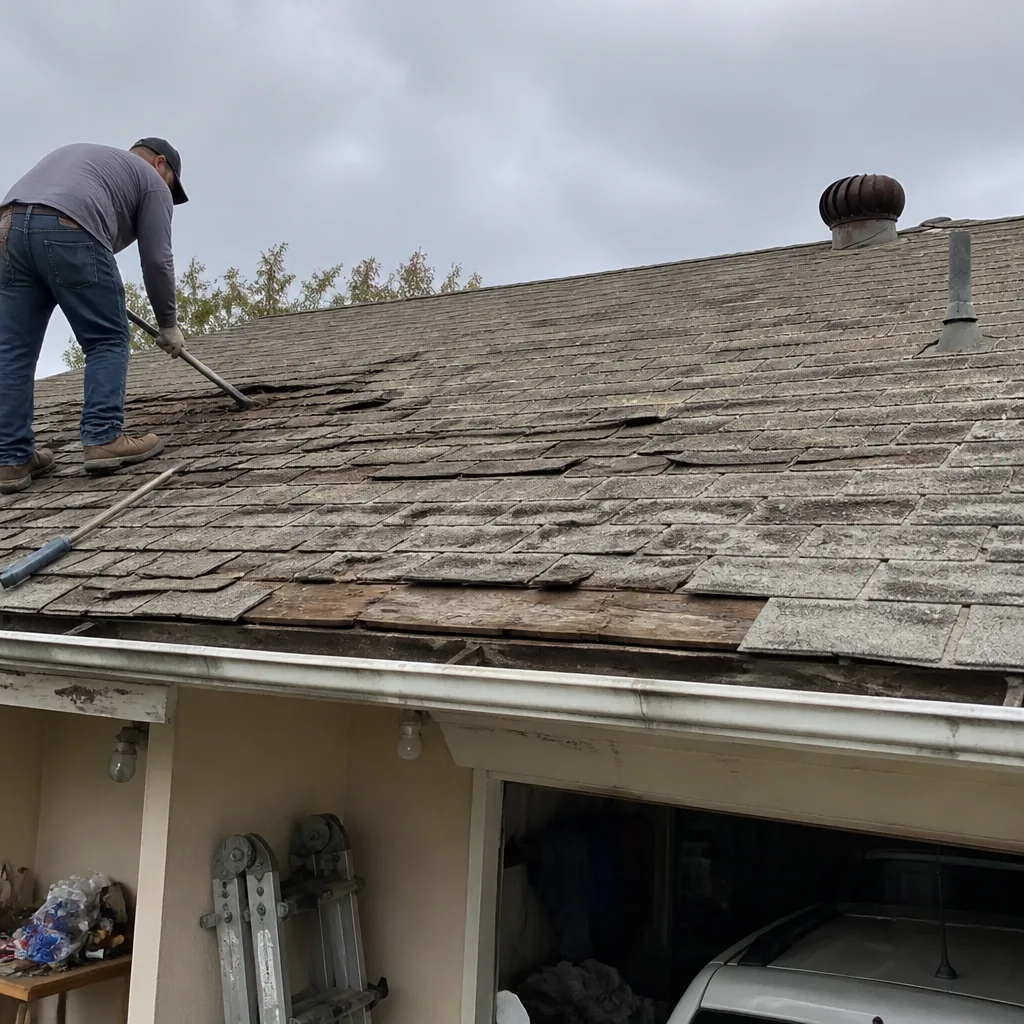 Before
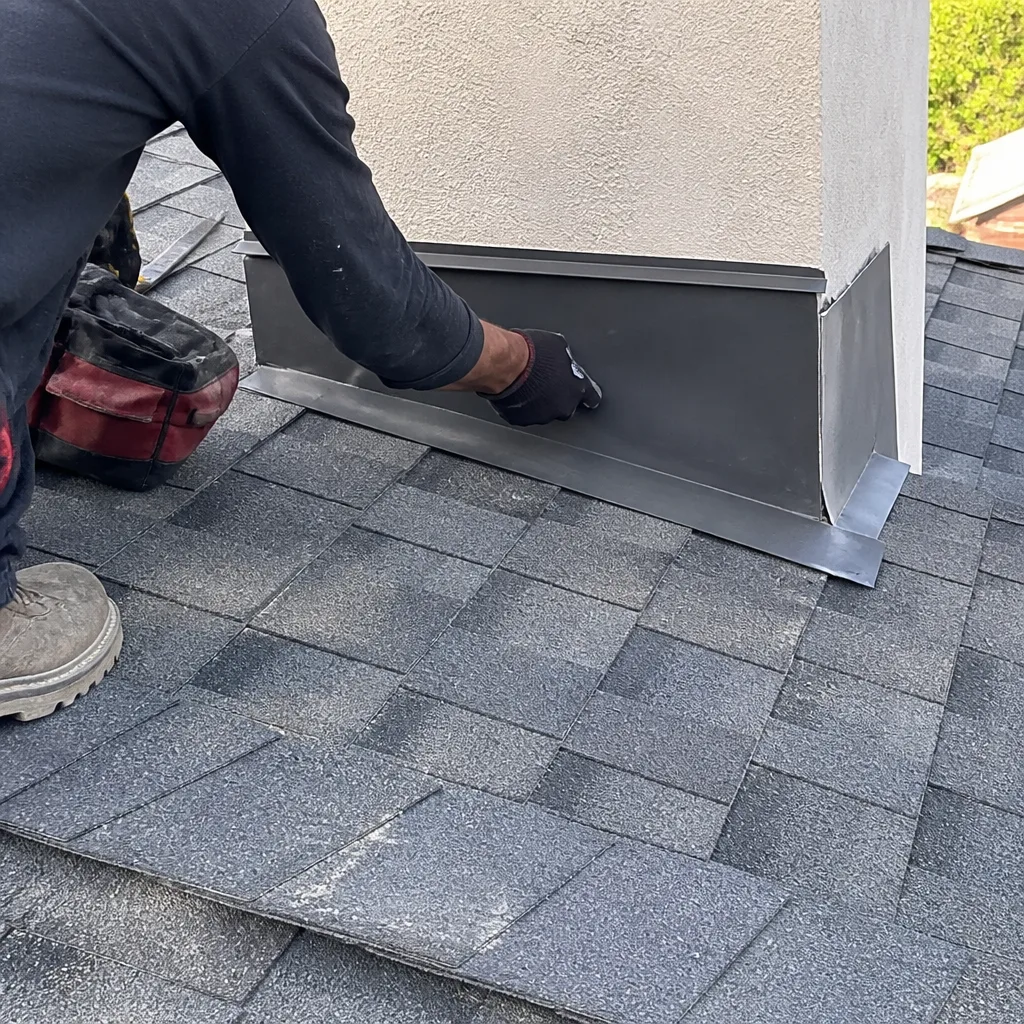 After
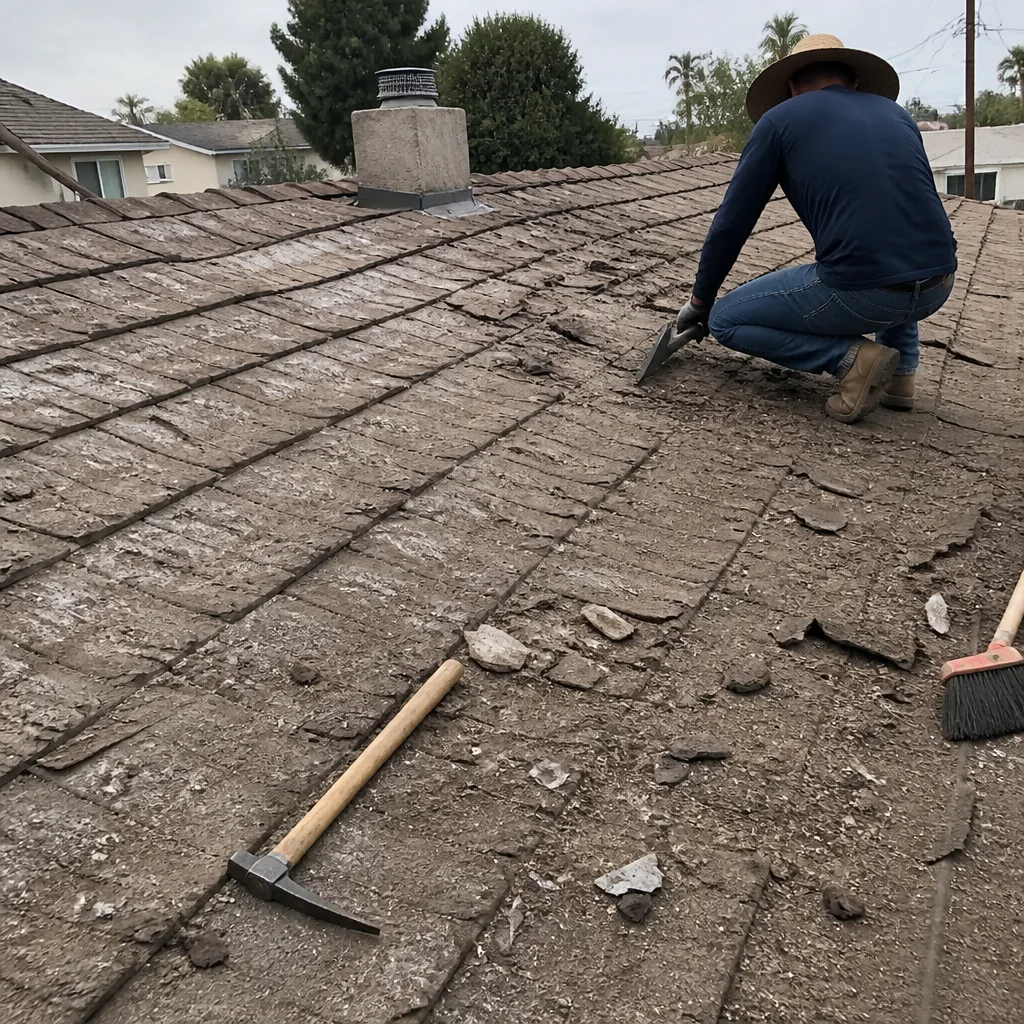 Before
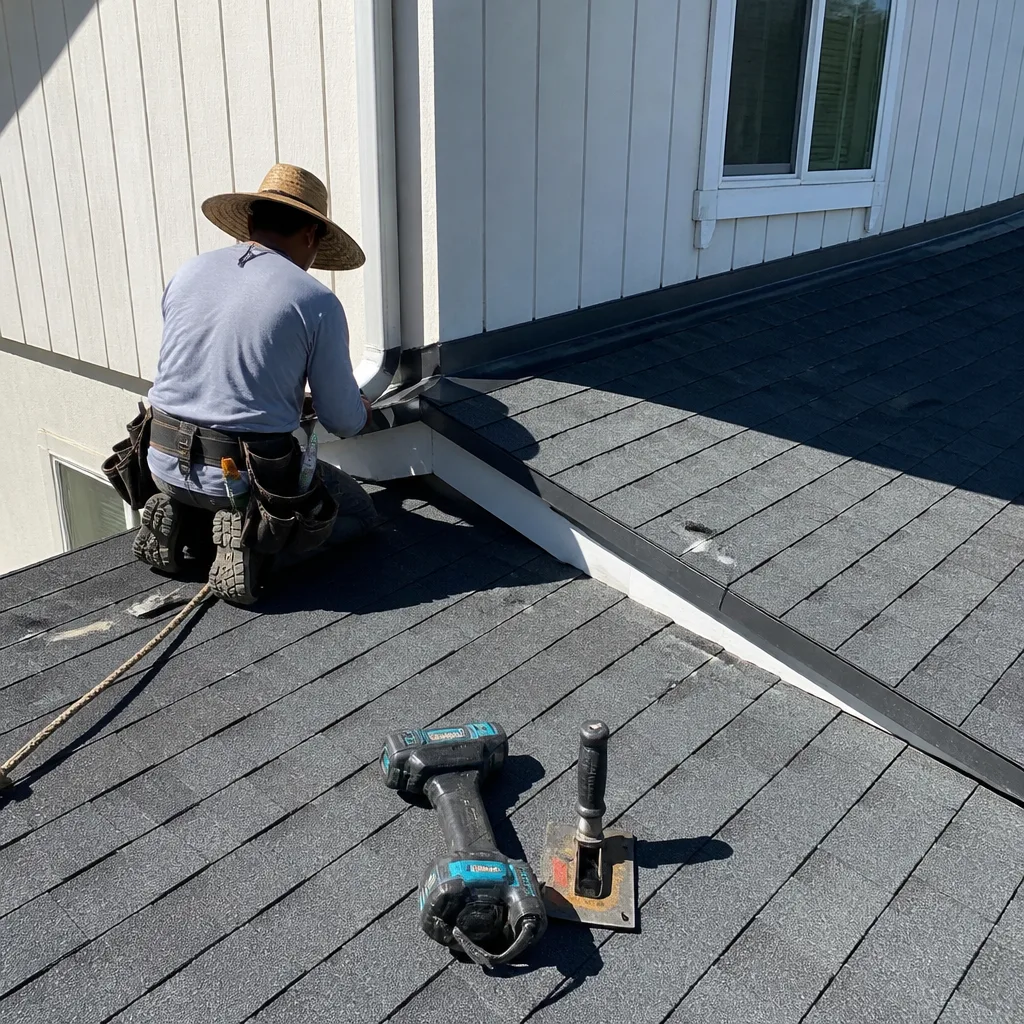 After
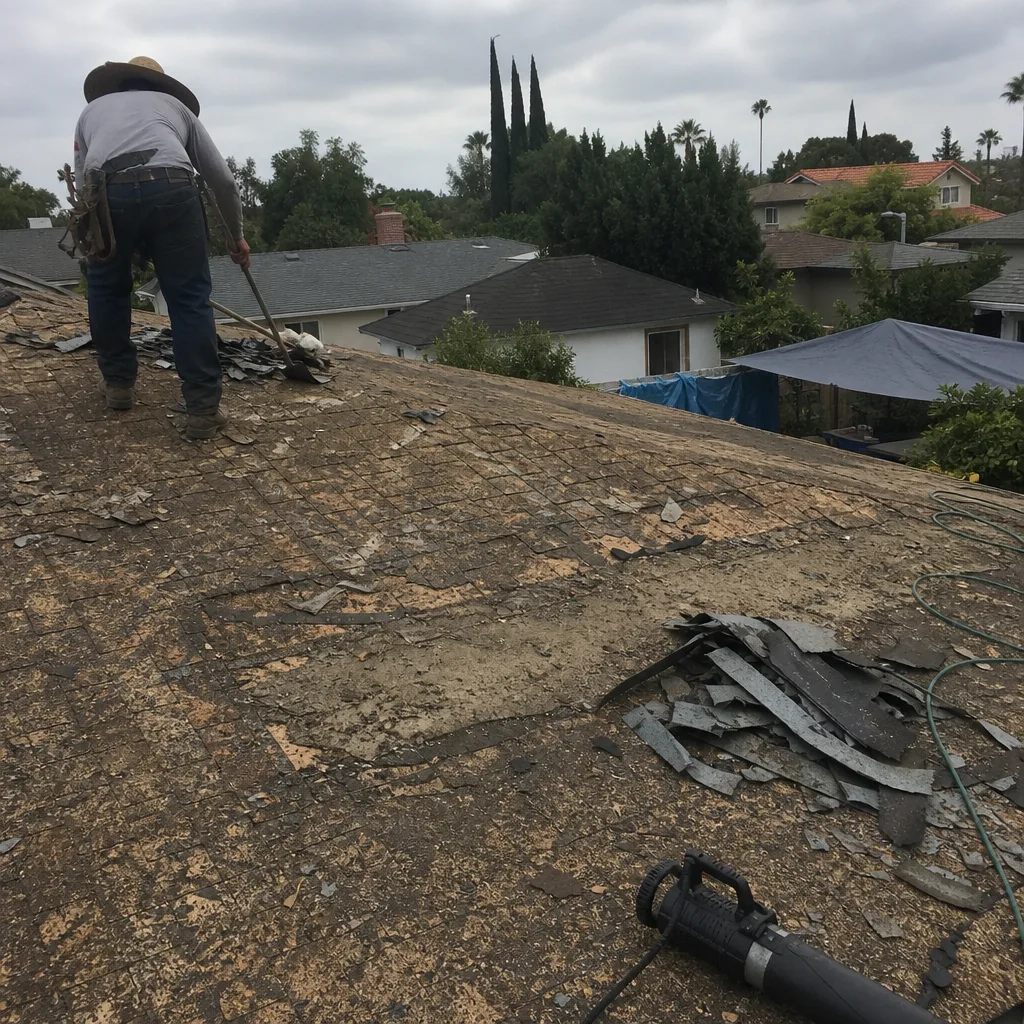 Before
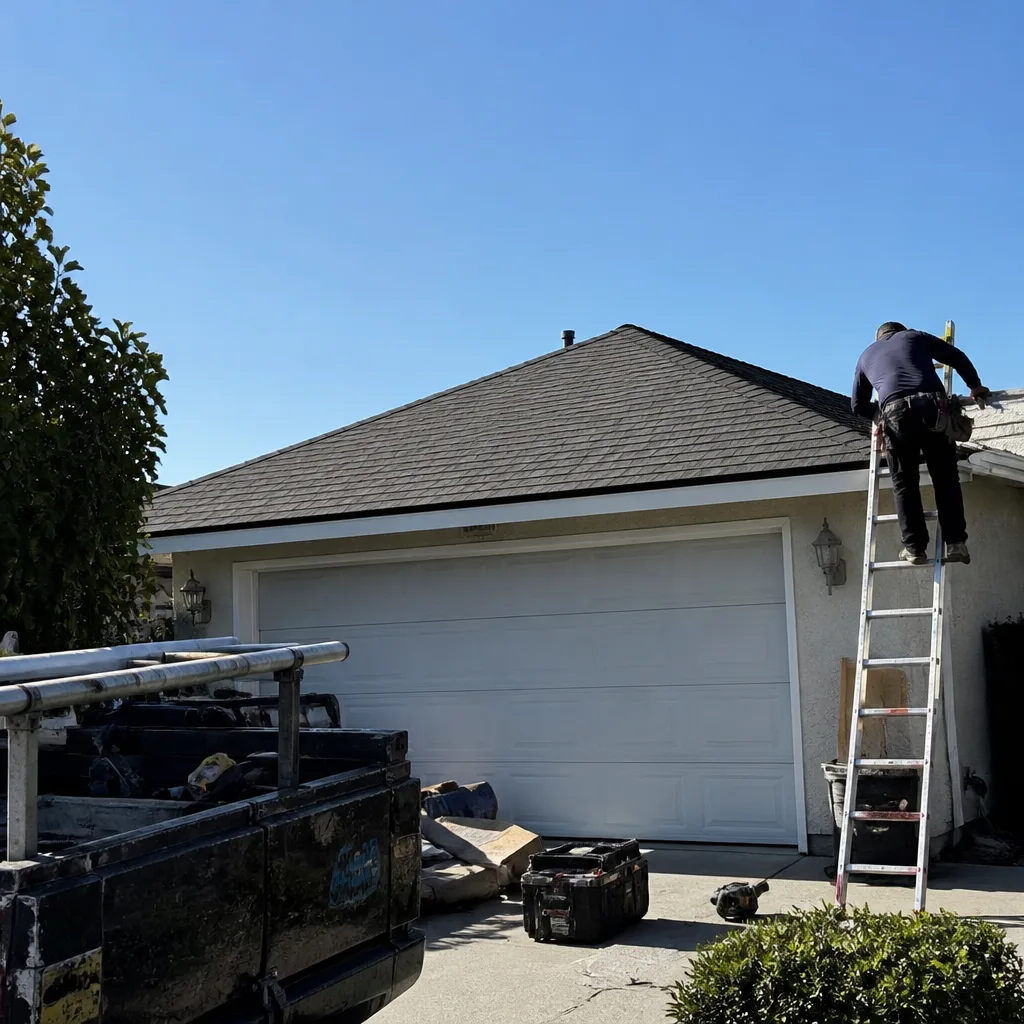 After