
Last updated October 31, 2026
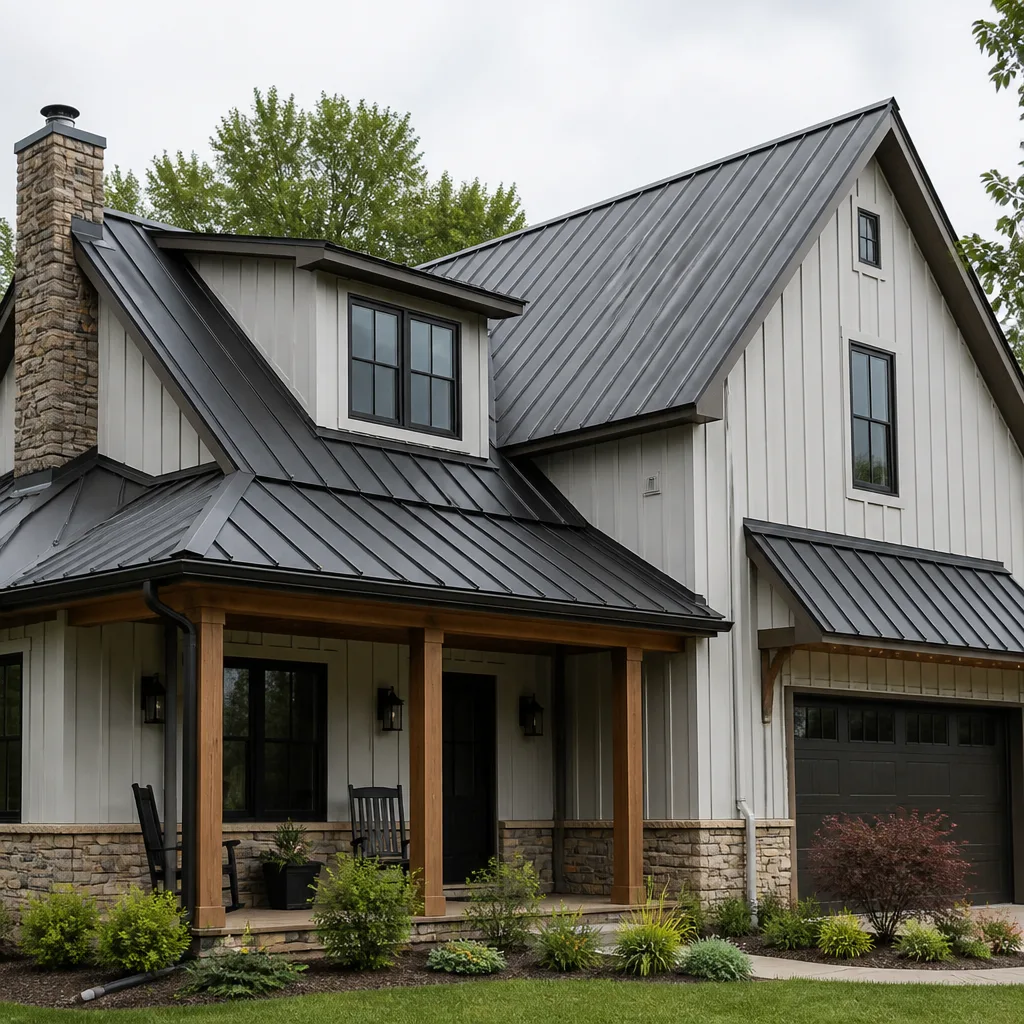 Metal roofing
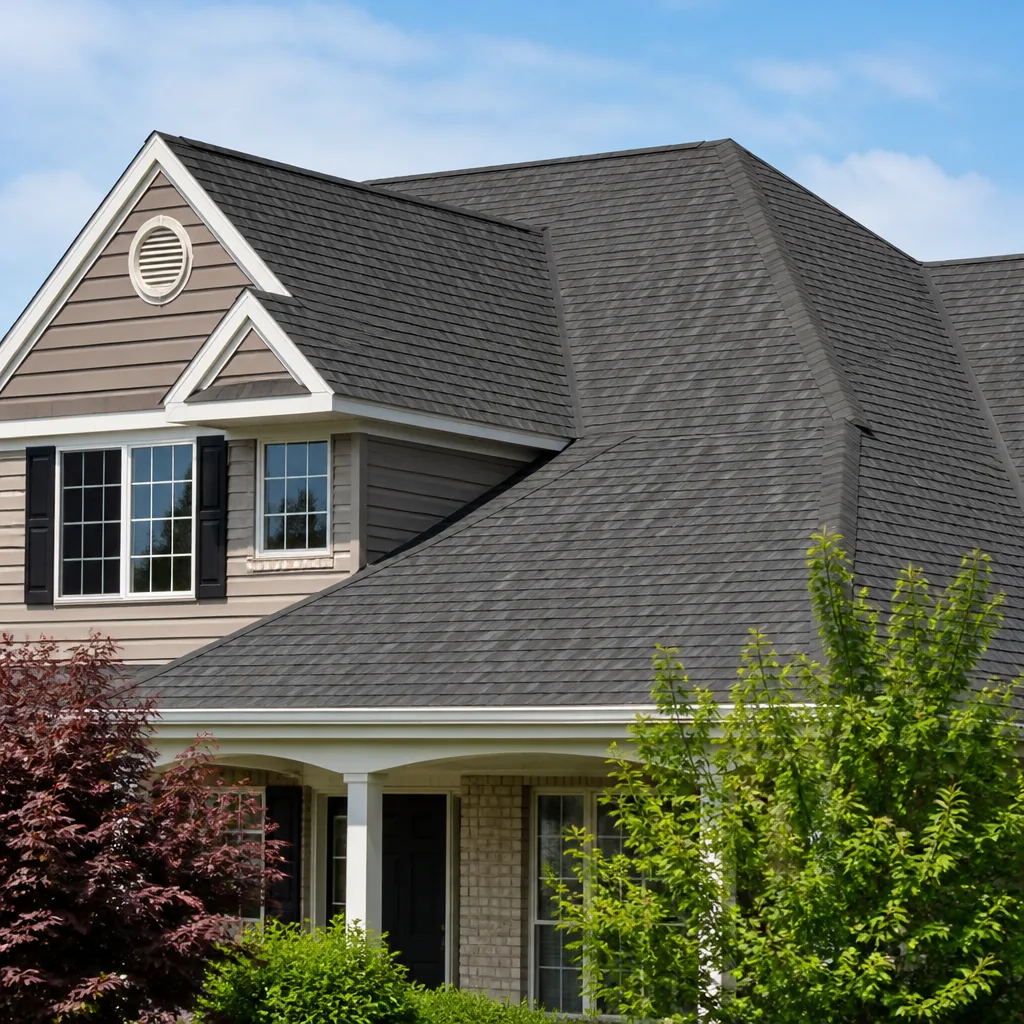 Architectural shingles
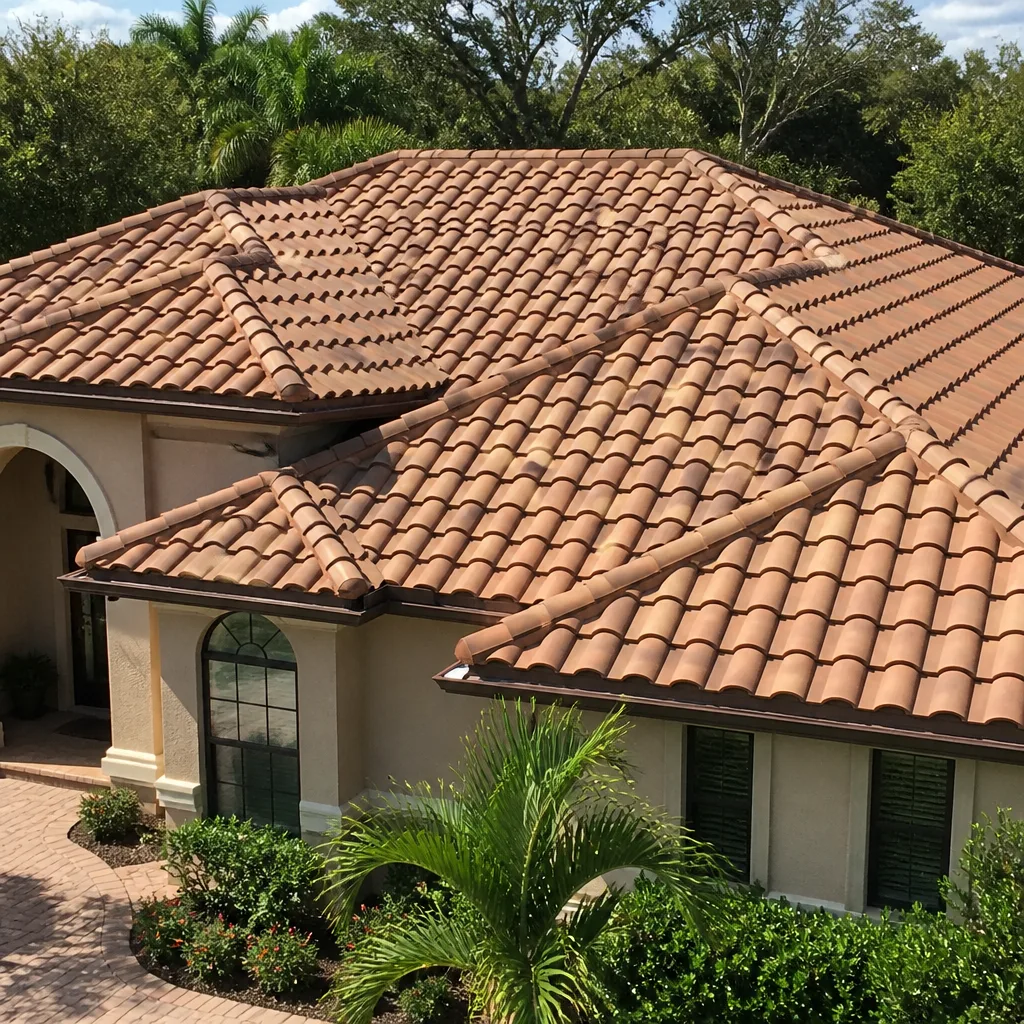 Tile roofing
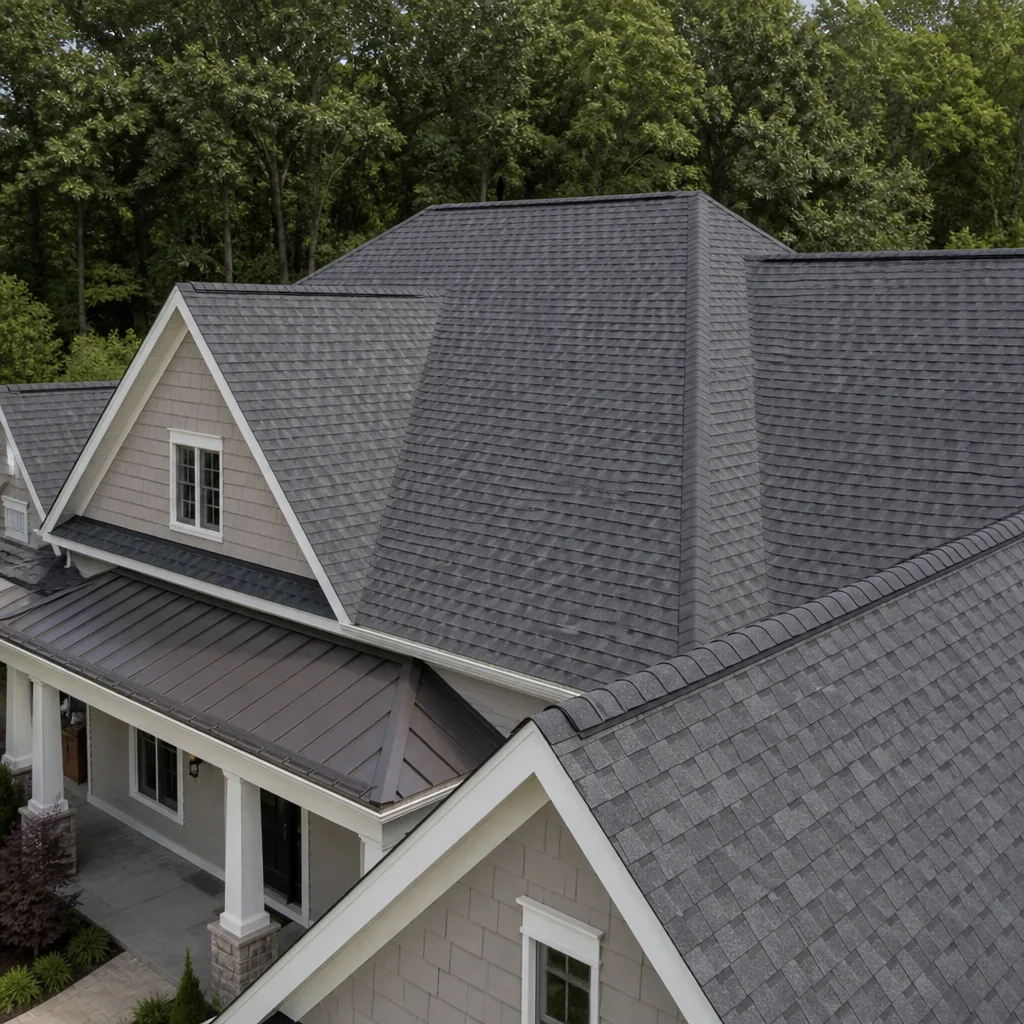 GAF
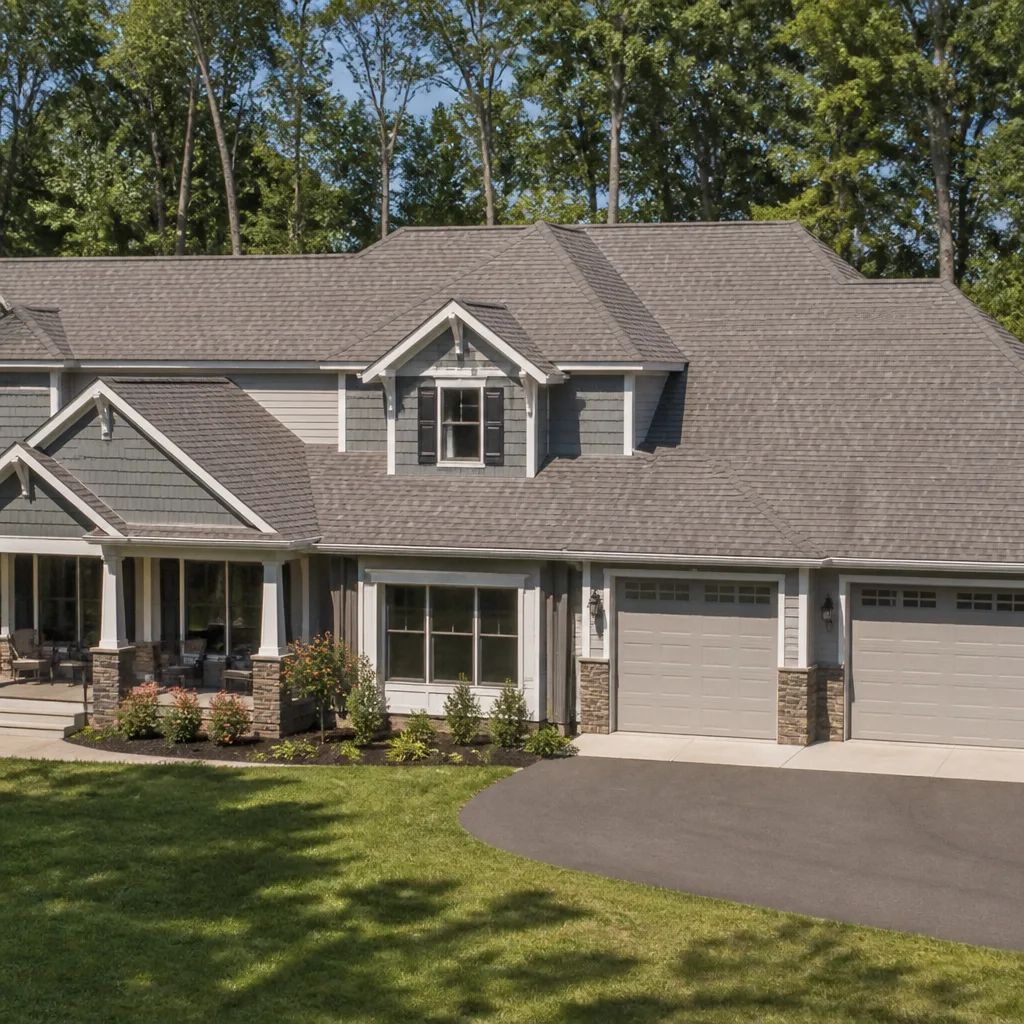 Owens Corning
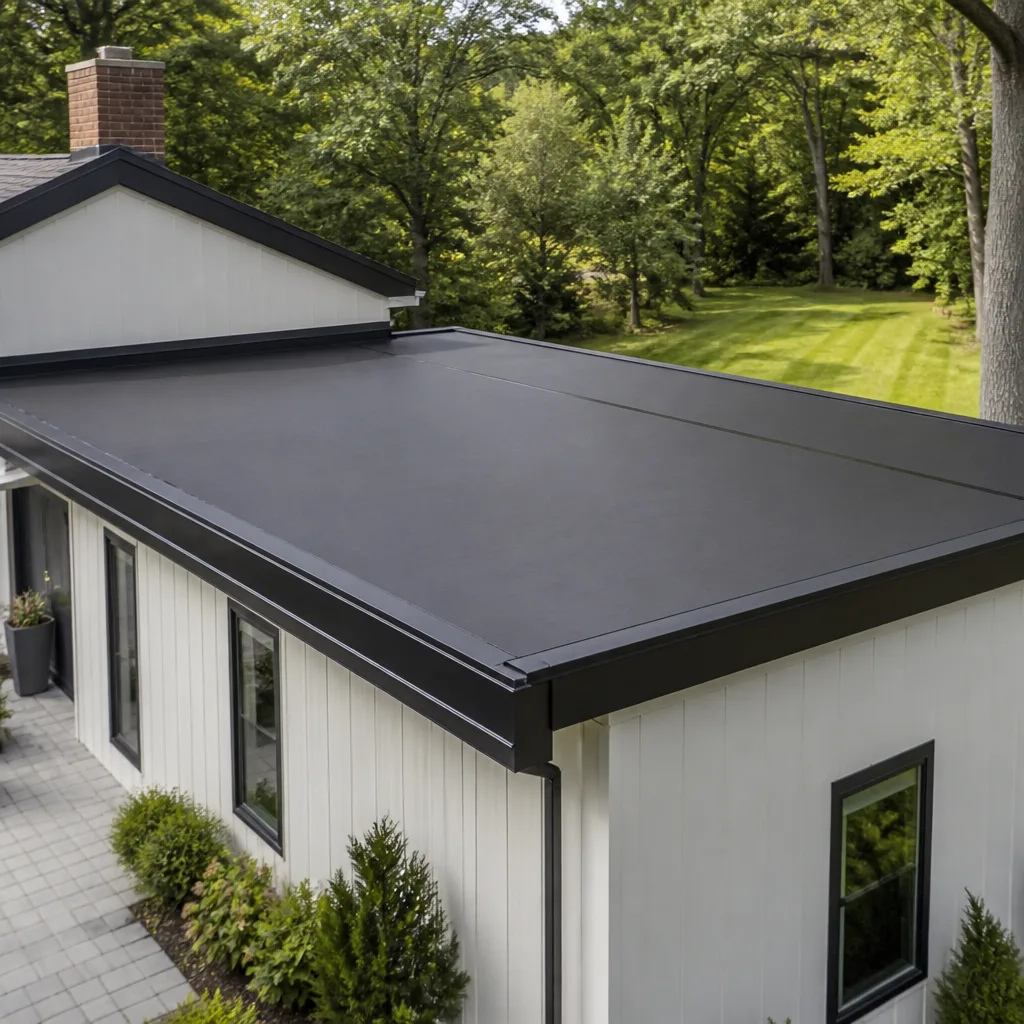 Flat & low-slope
Free roof inspection with deck photos before we talk money - GAF and Owens Corning certified installation
Roofing Cost Breakdown: The La Habra Homeowner’s Reference for 2026
The average roofing estimate in La Habra has 12 to 15 line items. Most homeowners compare only the bottom number. That’s how a $2,000 difference between bids turns into a $6,000 repair two years later. This guide walks through every line item on a real La Habra roofing estimate for 2026, what each charge actually covers, and which ones cheap bids quietly leave out. You’ll learn what a fair price looks like for concrete tile, composition shingle, and flat roofs in this city, plus the permit and code requirements that add legitimate cost.
Styles & brands we work with
Quick Answer
A full roof replacement in La Habra runs $9,000 to $22,000 for composition shingles, $18,000 to $38,000 for concrete tile, and $12,000 to $26,000 for a flat roof system in 2026. The spread depends on square footage, material brand tier, decking condition, and whether the job is permitted. Repairs typically land between $350 and $1,800, while a partial re-roof of one slope runs 30 to 50 percent of a full replacement on that section.
Table of Contents
- The Real Line-Item Breakdown for La Habra Roofs
- The Costs Cheap Bids Omit (And Why They Matter)
- La Habra Permits and Title 24: What Compliance Adds
- Repair vs. Partial Re-Roof vs. Full Replacement: The Breakeven Math
- Why Contractors Charge Different Prices for the Same Scope
- Material Brand Tiers: What the Names Actually Mean
- Common Mistakes to Avoid
- When to Call a Professional
- Frequently Asked Questions
- The Bottom Line
The Real Line-Item Breakdown for La Habra Roofs
Roofing estimates in La Habra follow a predictable structure. Once you know the line items, you can spot what’s missing from a low bid and what’s padded in a high one. Here’s what a legitimate 2026 estimate for a 1,800-square-foot home includes, broken down by roof type. These ranges reflect current material costs, local labor rates, and La Habra’s specific inspection environment.
Composition Shingle Replacement (1,800 sq ft)
- Tear-off and disposal: $2,200 to $3,600. Removing the old shingles, felt, and fasteners plus hauling to a certified landfill. La Habra requires landfill-appropriate disposal documentation on permitted jobs.
- Decking inspection and replacement allowance: $800 to $2,400. This is the line that changes most. If the plywood or OSB underneath has water damage from our coastal moisture cycles, the per-sheet cost runs $75 to $110 added. Most La Habra homes built before 1990 need at least 3 to 6 sheets replaced.
- Underlayment (synthetic vs. felt): $900 to $1,800. Synthetic runs higher but holds up better against the Santa Ana wind-driven rain that hits La Habra between October and March.
- Shingles, mid-tier architectural: $3,200 to $5,000. This is where brand matters. GAF Timberline and Owens Corning Duration land in this range. Entry-level three-tab runs $1,800 to $2,600, but it’s a 15-year product on a 30-year frame.
- Flashing, vents, and pipe boots: $700 to $1,500. Replaced, not reused. Reusing old flashing is a telltale sign of a cut-corner bid.
- Labor (crew, project management, supervision): $3,800 to $5,800. La Habra’s roofing labor market in 2026 runs $65 to $95 per hour per crew member, and a competent crew brings 5 to 7 people.
- Fasteners, adhesives, and incidental materials: $300 to $600.
- Permit and city inspection fees: $350 to $700. La Habra’s building department charges a flat re-roof permit fee plus a small per-inspection surcharge.
- Site protection and cleanup: $250 to $500. This includes magnetic nail sweeps, which matter on La Habra driveways where kids ride bikes barefoot.
Total range for composition shingle replacement in La Habra: $12,500 to $22,900.
Concrete Tile Re-Roof (1,800 sq ft)
Concrete tile is the signature roof of La Habra’s hillside neighborhoods, from the Avenues up through Westridge. The line items shift significantly because tile re-roofs almost always include underlayment replacement even when tiles are salvaged.
- Tile removal, sorting, and reinstallation: $3,500 to $6,500. This is the most labor-intensive phase. Crews in La Habra commonly salvage 60 to 80 percent of existing tile, but sorting takes time and broken tile replacement runs $3 to $6 per tile.
- Replacement tile (typically 15 to 25 percent of roof): $1,200 to $3,500. Matching aged tile is hit or miss. La Habra’s clay-heavy soil and marine air accelerate surface wear on the western exposures most.
- Underlayment (double-layer 40 lb or high-grade synthetic): $1,800 to $3,200. Tile roofs fail from underlayment degradation long before tile failure. This is the critical layer.
- Battens and counter-battens: $800 to $1,600.
- Decking replacement: $1,000 to $3,000. Concrete tile homes in La Habra built before 1985 frequently show rot at the eave lines where our winter rains concentrate.
- Flashing at valleys, walls, and penetrations: $900 to $2,200. Tile roofs have more transitions than shingle roofs, and this is where leaks start when flashing is reused.
- Labor: $5,500 to $9,500. Tile work is slower. A tile roof in La Habra takes 7 to 12 working days versus 3 to 5 for shingles.
- Permit, Title 24 cool roof verification, and inspections: $400 to $900.
Total range for concrete tile re-roof in La Habra: $17,100 to $30,400, assuming no structural issues. Full tile replacement with new Eagle or Boral tile pushes the top end to $38,000.
Flat Roof (TPO or Modified Bitumen, 1,800 sq ft)
Flat roofs dominate La Habra’s mid-century ranch homes and the commercial-residential strips along Whittier Boulevard. The 2026 pricing reflects California’s mandate for cool roof certification on any flat roof replacement.
- Existing membrane tear-off and disposal: $1,800 to $3,200. Modified bitumen removal is slower than TPO removal. If there’s a second layer underneath (common in homes built before 1978), add $1,200 to $2,400.
- Decking replacement or overlay: $900 to $3,800. Flat roofs concentrate standing water, and La Habra’s winter rainfall exposes decking issues that shingle and tile homes hide. A rotted section near the scuppers or drains is one of the most common findings on Roof Inspection in La Habra.
- Insulation (rigid ISO board, R-30 minimum for Title 24): $1,500 to $3,000. California’s 2026 energy code requires flat roof replacements to meet minimum R-value standards, and existing ISO is often water-damaged.
- Membrane material: $2,800 to $5,500. TPO in white or light gray qualifies for Title 24 cool roof compliance automatically. Modified bitumen requires a reflective coating, adding $800 to $1,500.
- Seams, termination bars, and edge metal: $700 to $1,800. Heat-welded TPO seams are faster than torched-down mod bit, which influences labor cost.
- Labor: $4,000 to $7,000. Flat roof work is specialized. Fewer crews in La Habra do it well, and that scarcity shows in rates.
- Permit, Title 24 verification, and inspections: $400 to $800.
Total range for flat roof replacement in La Habra: $12,100 to $25,100.
The Costs Cheap Bids Omit (And Why They Matter)
When you compare bids in La Habra and one comes in $4,000 lower than the others, the discrepancy usually sits in omitted line items, not in efficiency. Here’s what gets dropped and what it costs you later.
Decking replacement allowance. This is the most common omission. A bidder quotes $0 for decking because they haven’t opened the roof and won’t know until tear-off. Then the change order comes. Your $2,000 “savings” becomes a $2,800 surprise. A legitimate La Habra estimate includes a per-sheet allowance, say $85 per sheet, with a note that actual replacement is billed only for what’s needed.
Haul-away and disposal fees. The county’s landfill tipping fees for construction debris run $70 to $110 per ton in 2026. A full shingle tear-off from an 1,800-square-foot roof produces 6 to 9 tons. A bid that doesn’t specify disposal either buries the cost elsewhere or plans to dump illegally, and illegal dumping in Orange County comes with fines up to $10,000 for the homeowner if the contractor disappears.
Permit costs and inspection scheduling. Unpermitted roofing work in La Habra creates a title disclosure problem when you sell. Buyers’ lenders increasingly flag unpermitted improvements on SoCal properties. The $400 to $700 a legitimate permit costs is cheap insurance against a $10,000 to $20,000 price concession at resale.
Underlayment grade. For shingle roofs, the difference between #15 felt at $22 per roll and high-grade synthetic at $90 per roll adds up to $900 on a typical La Habra home. Cheap bids use felt. Felt fails faster under our UV load and wind-driven rain. This is not a place to save money.
Flashing and pipe boot replacement. Reusing existing flashing is standard practice for low-bid roofers in La Habra because it’s invisible once the roof is installed. New flashing on a full replacement costs $700 to $1,500. A leak around a reused pipe boot two years later costs more than that in drywall alone.
Site protection and cleanup. Magnet sweeps after tear-off. Tarping your landscaping. Protecting the pool. These items cost $250 to $500 and vanish from low bids. The result is nails in your driveway, torn screens, and a bill from your landscaper.
La Habra Permits and Title 24: What Compliance Adds
Every legitimate roof replacement in La Habra requires a building permit. The city’s building division reviews the scope, issues the permit, and sends an inspector to verify at least two stages: after tear-off and decking inspection, and after final installation. The permit fee for a standard re-roof runs $350 to $700 depending on square footage and roof type, and the inspection process adds 1 to 3 days to the project timeline.
Beyond the permit, California’s Title 24 energy code applies to any roof replacement in La Habra. Here’s what that means for your 2026 project:
- Cool roof verification (flat roofs). Any flat or low-slope roof replacement must meet minimum solar reflectance and thermal emittance standards. White TPO and coated modified bitumen qualify. Dark, uncoated membranes do not, and installing one fails inspection.
- Insulation minimums (flat roofs). If your decking is opened during a flat roof replacement, the code requires bringing the insulation up to current R-value minimums. On a 1960s-era La Habra ranch, that’s typically R-30 rigid board or the code-compliant equivalent.
- Documentation for composition shingles. CertainTeed and Owens Corning both manufacture CRRC (Cool Roof Rating Council) rated shingles that streamline Title 24 compliance. Non-rated shingles trigger additional verification. This is one reason brand selection affects total project cost.
- Concrete tile exemptions. Tile roofs generally meet Title 24 requirements with standard materials, but the underlayment replacement must still be documented and the inspector verifies it before the tile goes back on.
A non-permitted roof job in La Habra saves you $400 to $700 up front. It also leaves you with no city inspection record, which creates problems at resale, with insurance claims after storm damage, and with any warranty claim that requires proof of compliant installation. We’ve seen homeowners in the La Habra Hills neighborhood try to sell homes with unpermitted re-roofs and the escrow falls apart at the 11th hour. The savings aren’t worth it.
Repair vs. Partial Re-Roof vs. Full Replacement: The Breakeven Math
Not every roof with problems needs a full replacement. Our Roof Repair in La Habra practice exists because we’ve seen too many homeowners pushed into full replacements that they didn’t need yet. At the same time, there’s a threshold where repeated repairs become false economy. Here’s how to think about the decision in La Habra’s specific environment.
When Repair Makes Sense
A localized leak around a pipe boot, a damaged section of flashing, a few cracked tiles, or minor shingle blow-off from Santa Ana winds. These repairs typically run $350 to $1,800 in La Habra, depending on the roof type and access. The key question is whether the underlying roof system still has meaningful service life left. If your composition shingle roof is 10 years old with no other signs of failure, repair is the right call. The breakeven logic: paying $1,200 now to get 8 more years out of the roof beats paying $14,000 today for a replacement you’d otherwise need in 8 years anyway.
When Partial Re-Roof Makes Sense
A partial re-roof means replacing one slope or one section of the roof rather than the entire surface. In La Habra, this is most common when one exposure, usually the south or west-facing slope, has degraded significantly faster than the rest. Concrete tile homes in particular age unevenly because of how sun and salt air move across different slopes. A partial tile re-roof of one major slope runs $5,000 to $9,000. The caveat: color matching on aged tile is imperfect, and there’s always a visible transition line. For a shingle roof, partial replacement is harder to justify because the color mismatch is more noticeable, and shingle roofs fail more uniformly.
When Full Replacement Is the Only Honest Answer
Full replacement is appropriate when the underlayment has failed (evidenced by leaks in multiple areas), when decking shows widespread rot, when the roof has already been repaired three or more times in five years, or when the shingle or membrane has reached 80 percent of its rated service life. In La Habra, asphalt shingle roofs generally last 22 to 28 years against our UV load, concrete tile underlayment 25 to 35 years, and TPO membranes 18 to 25 years. If you’re within five years of those numbers and seeing problems, full replacement is cheaper per year than continuing to patch. A $14,000 full replacement amortized over 25 years costs $560 per year. Three $1,500 repairs over three years costs $1,500 per year, and the roof still fails at the end.
Our Roof Replacement in La Habra page covers the full replacement process and what to expect from a permitted project in this city.
Why Contractors Charge Different Prices for the Same Scope
You’ll get three bids for the same roof in La Habra and they’ll be $4,000 to $9,000 apart. Here’s what drives that spread, beyond the omission problem covered earlier.
Crew quality and cost of labor. Roofing labor in La Habra splits into two markets. Established crews with foremen, project managers, and proper safety equipment charge $70 to $95 per hour per worker. Day-labor crews assembled per job charge $40 to $55. The difference shows up in cut corners that don’t appear on the estimate: fasteners placed too shallow, underlayment stretched tight instead of lapped properly, flashing nailed instead of secured with proper fasteners. You don’t see these until the first rain.
Overhead structure. A contractor with a physical office in La Habra, workers’ compensation insurance, liability insurance, and a full-time office staff has fixed costs that a pickup-truck operator with a phone and a magnet doesn’t. The legitimate operator’s overhead runs 12 to 18 percent of the bid. The cheap operator’s overhead is near zero. That’s part of the price difference, but it’s also part of what keeps your home protected if a worker gets injured on your property or the crew damages a neighbor’s roof during a windy day.
Warranty-backed installation. This is the biggest invisible line item. GAF and Owens Corning both offer extended installation warranties through certified contractors that cover workmanship for 25 to 50 years. Becoming certified requires ongoing training, inspection privileges, and adherence to manufacturer installation specs. An uncertified contractor offers their own workmanship warranty, which is only as good as the contractor still being in business five years from now. In La Habra, where independent roofers come and go with the construction cycle, manufacturer-backed warranties are the difference between a warranty that’s worth something and one that’s worth the paper.
Permit and code compliance routines. Contractors who do 30 permitted La Habra roofs a year have the inspection process dialed in. They know what the city’s inspectors check, they schedule efficiently, and they build code compliance into their base price. A contractor doing their first permitted job in the city gets flagged for corrections, which costs them time and you slippage. That institutional knowledge is a real cost.
Material Brand Tiers: What the Names Actually Mean
Every roofing estimate in La Habra references brand names, and most homeowners assume the brands are equivalent. They’re not. Here’s how the major manufacturers stack up in the categories that matter for La Habra’s specific conditions: UV exposure, Santa Ana wind events, and coastal moisture cycles.
GAF Timberline series. The most commonly specified shingle in Southern California. Strong wind warranty (up to 130 mph with the high-wind product), broad contractor network, and good availability. Mid-tier pricing with solid performance. GAF’s Timberline HDZ is a solid default for La Habra homes between the 57 and the hills.
CertainTeed Landmark series. Generally a step up in build quality per dollar. The Landmark line has a slightly heavier shingle with better granule adhesion, which matters on south-facing slopes in La Habra where UV degradation is the primary wear mechanism. Priced 8 to 12 percent above comparable GAF product.
Owens Corning Duration series. The Duration line has the SureNail fabric strip, which provides better blow-off resistance during Santa Ana events, a real concern for La Habra homes on exposed ridgelines. Priced comparably to GAF, with strong availability through local suppliers.
IKO Cambridge series. The value play among national brands. Lower price point, decent product, but thinner granule layer and historically more warranty friction. We see this specified primarily on investor flips and rental properties in La Habra where the owner is optimizing for upfront cost.
The point is not that one brand is universally better. The point is that brand selection should be driven by your home’s specific exposure, your warranty preferences, and your budget, not by whatever the contractor happens to have in the warehouse. Dauntless Roof Repair carries the full Dauntless Roof Repair home line of seven manufacturers including GAF, CertainTeed, Owens Corning, and IKO, so the recommendation you get is matched to your roof, not to our inventory.
Common Mistakes to Avoid
- Comparing bids by bottom line only. The cheapest bid in La Habra is almost always omitting something. Request the line-item breakdown from every bidder and compare the actual scope, not the total.
- Skipping the permit to save $500. This reads as a smart savings until your home goes into escrow and the buyer’s inspection flags an unpermitted roof. A re-roof permit is not optional in La Habra.
- Allowing decking replacement to be handled as a change order. If the bid doesn’t include a decking allowance, the contractor controls the price when they open the roof and find rot. Negotiate a per-sheet price upfront.
- Choosing three-tab shingles on a 30-year home. Three-tab saves $1,500 on the front end and costs you a full replacement 12 to 15 years earlier on La Habra’s UV-loaded slopes. Architectural shingles are the minimum for any home you plan to keep.
- Reusing old flashing because the bid says it’s fine. Flashing is $700 to $1,500 on a full roof. Water damage from a failed flashing repair runs ten times that. Replace it every time.
- Ignoring the manufacturer warranty terms. Many warranty claims fail because the original installation wasn’t documented or the contractor isn’t certified with the manufacturer. Ask which warranty program the contractor participates in before you sign.
- Not verifying disposal in the contract. If haul-away isn’t a line item, you’re either paying for it in a change order or your debris is getting dumped where it shouldn’t. La Habra demolition debris rules are specific, and the homeowner can be liable.
When to Call a Professional
You should get a professional assessment when you see water staining on your ceiling after rain, when you notice shingle granules piling up in your gutters after a Santa Ana event, when tiles start sliding or cracking along the eaves, or when your flat roof holds standing water more than 48 hours after rain. You should also call before buying a home with a roof that’s 20-plus years old, regardless of what the disclosure says. Dauntless Roof Repair offers free estimates in La Habra. Call (844) 750-0317 and we’ll walk the roof with you, explain what we’re seeing, and give you a written assessment with no obligation.
Frequently Asked Questions
A full roof replacement in La Habra runs $12,500 to $22,900 for composition shingles, $17,100 to $38,000 for concrete tile, and $12,100 to $25,100 for a flat roof on a typical 1,800-square-foot home. The range depends on material brand, decking condition, and whether the job is permitted. Call (844) 750-0317 for an exact quote on your roof. Estimates are free.
Cheap bids most often omit decking replacement allowances, haul-away and disposal fees, permit costs, new flashing, and site protection. Each of these becomes an expensive change order once the job starts, or the work simply isn’t done and the roof fails early.
Yes. La Habra requires a building permit for any full roof replacement, and the city inspects the job at least twice. A permitted job adds $350 to $700 to the total and protects you at resale, with insurance claims, and with warranty enforcement.
Title 24 is California’s energy code, and it requires any flat roof replacement to meet cool roof reflectance standards and minimum insulation values. Composition shingle and tile roofs have their own compliance paths. A contractor who does regular work in La Habra handles this as routine.
Repair makes sense when the roof system is otherwise sound and the problem is localized, like a single leak or a small section of wind damage. Replacement makes sense when you’re seeing multiple leaks, widespread granule loss, or the roof is within five years of its expected service life. A repair on a failing roof is a temporary patch that costs more per year than replacement.
The spread comes from labor quality, overhead, warranty programs, and code compliance experience. A contractor with certified installers, proper insurance, and manufacturer-backed warranties costs more per job. A contractor without those things costs less up front and more in problems later.
We do both. Our company name exists because we take repair jobs that other companies decline in favor of full replacements. We’ll tell you exactly what your roof needs and exactly what it doesn’t. If a repair is the right call, we’ll say so. If replacement is honest, we’ll show you the math.
The Bottom Line
Roofing costs in La Habra break down into predictable line items, and the contractors worth hiring describe every one of them. Get the breakdown in writing. Verify the permit. Ask about decking allowances before the roof comes off. And choose materials based on your home’s exposure and your timeline, not on what a contractor happens to stock. The difference between a fair price and a cheap price is in the details, and the details are where roofs fail. If you want a straight answer about your roof, call Dauntless Roof Repair at (844) 750-0317 and we’ll give you one. From first inspection to final nail, one crew owns the job.
Written by the team at Dauntless Roof Repair, serving La Habra since 2017. Explore more guides & resources.
See the difference
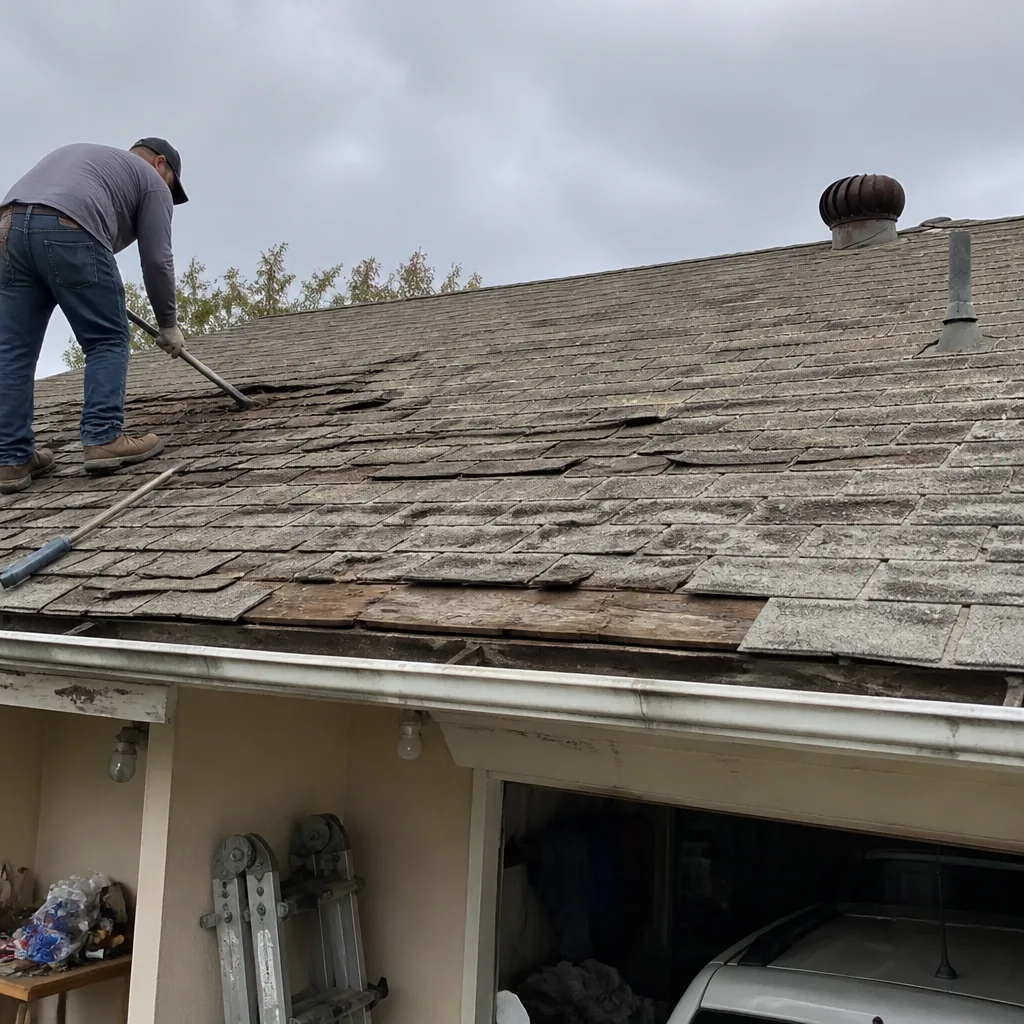 Before
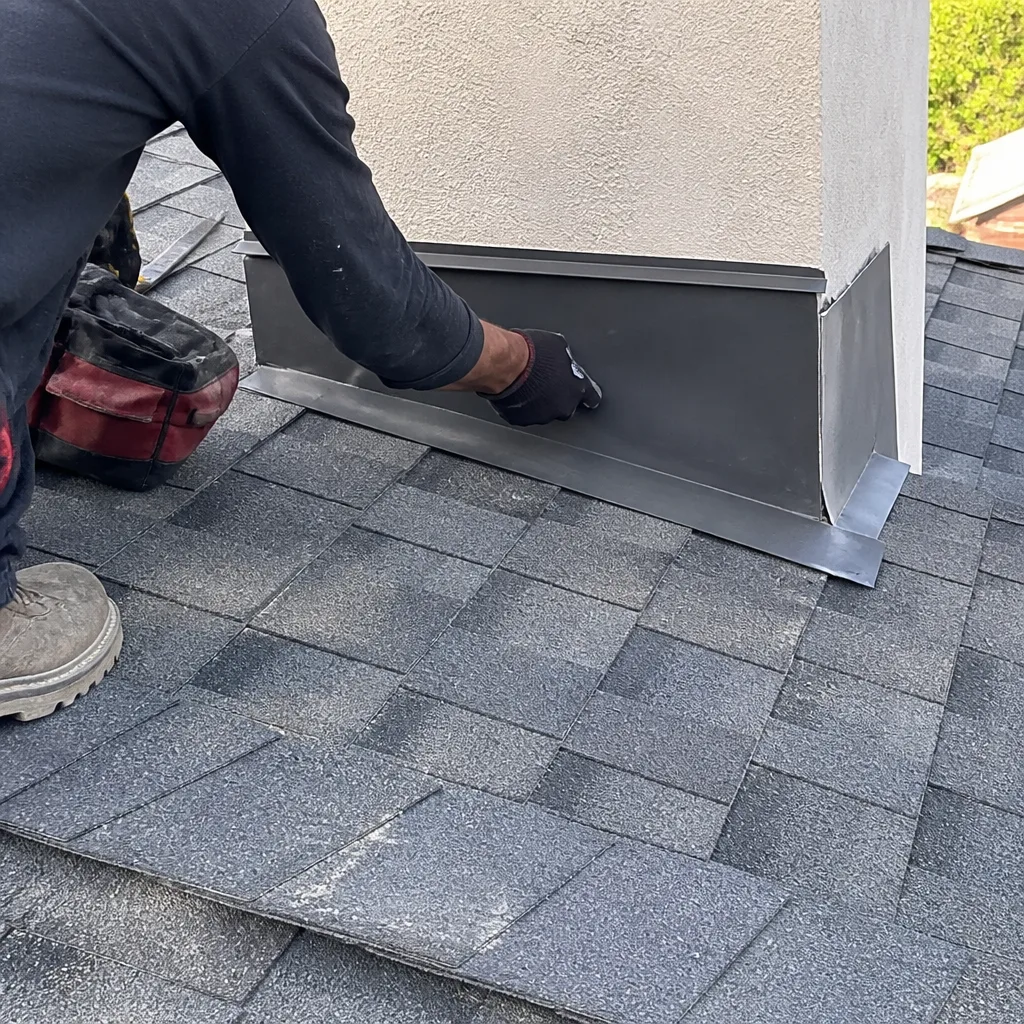 After
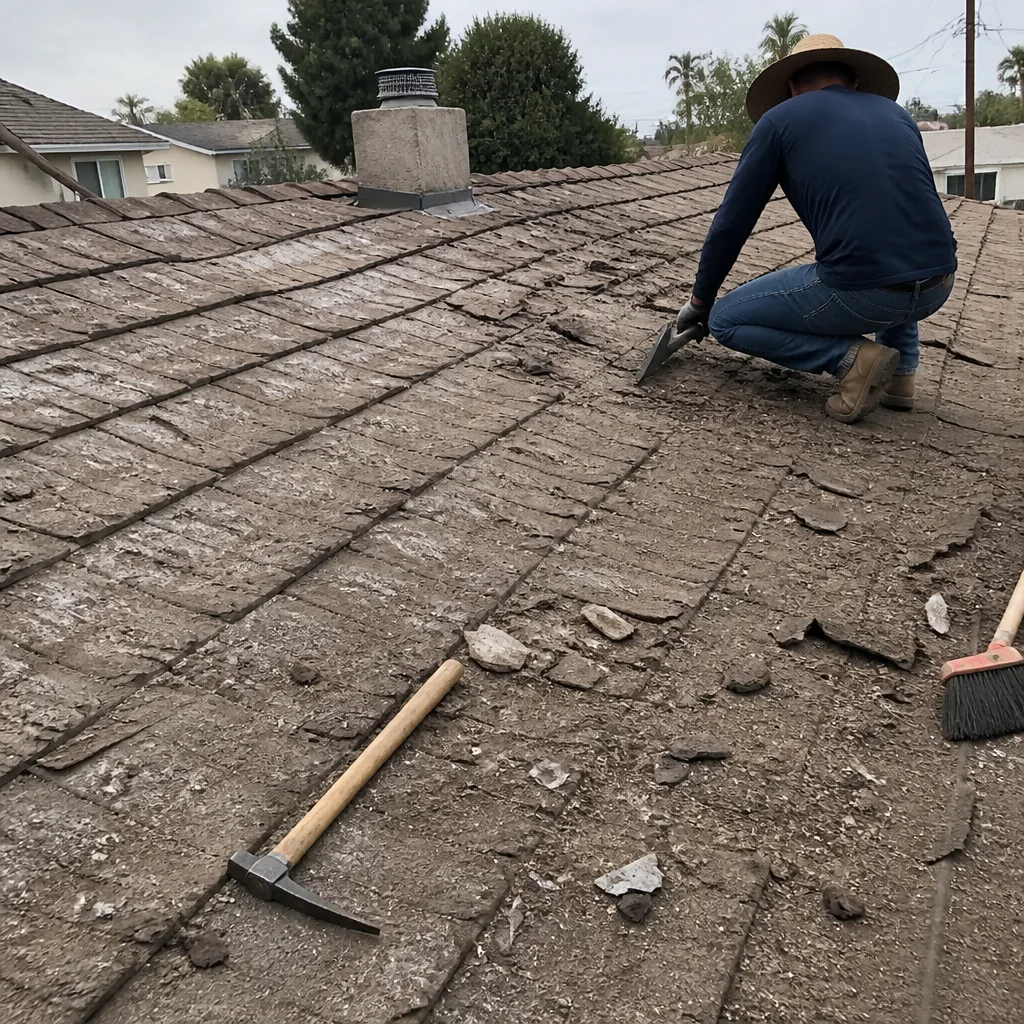 Before
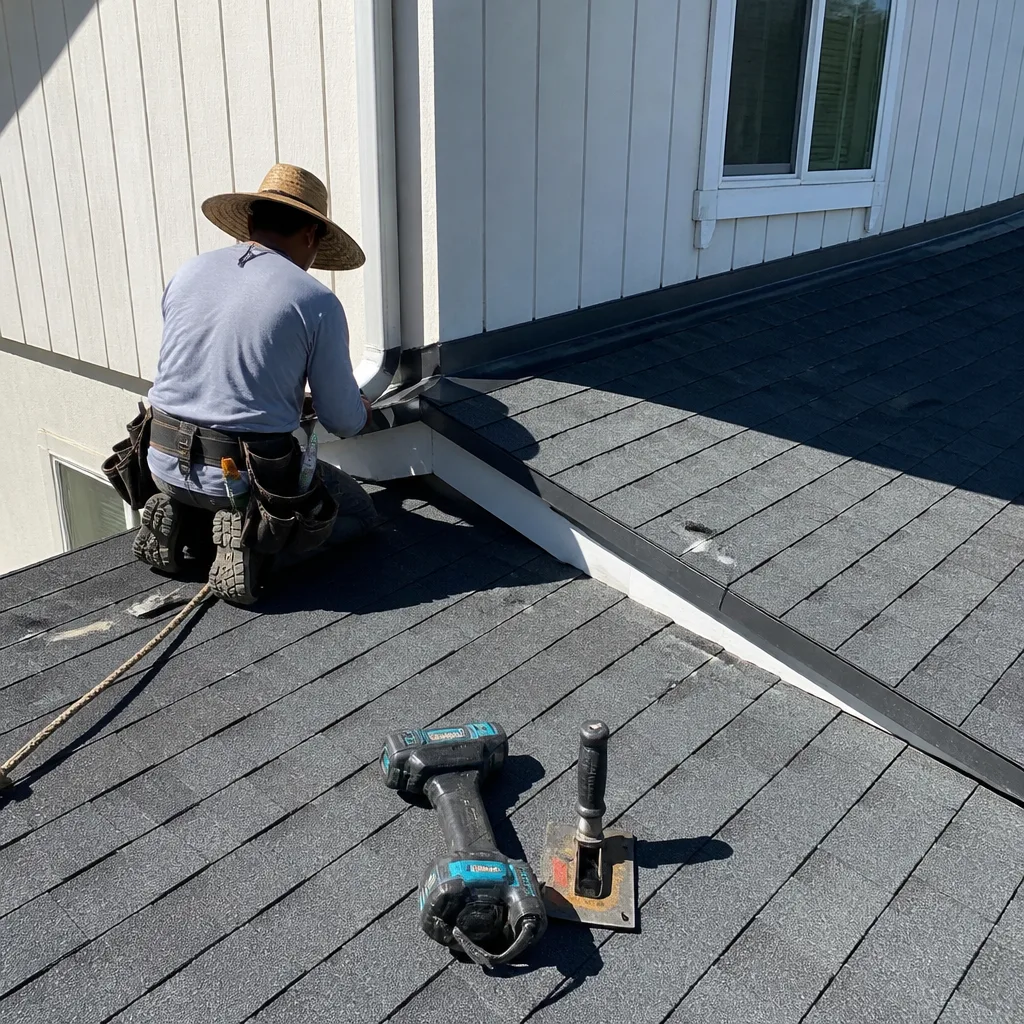 After
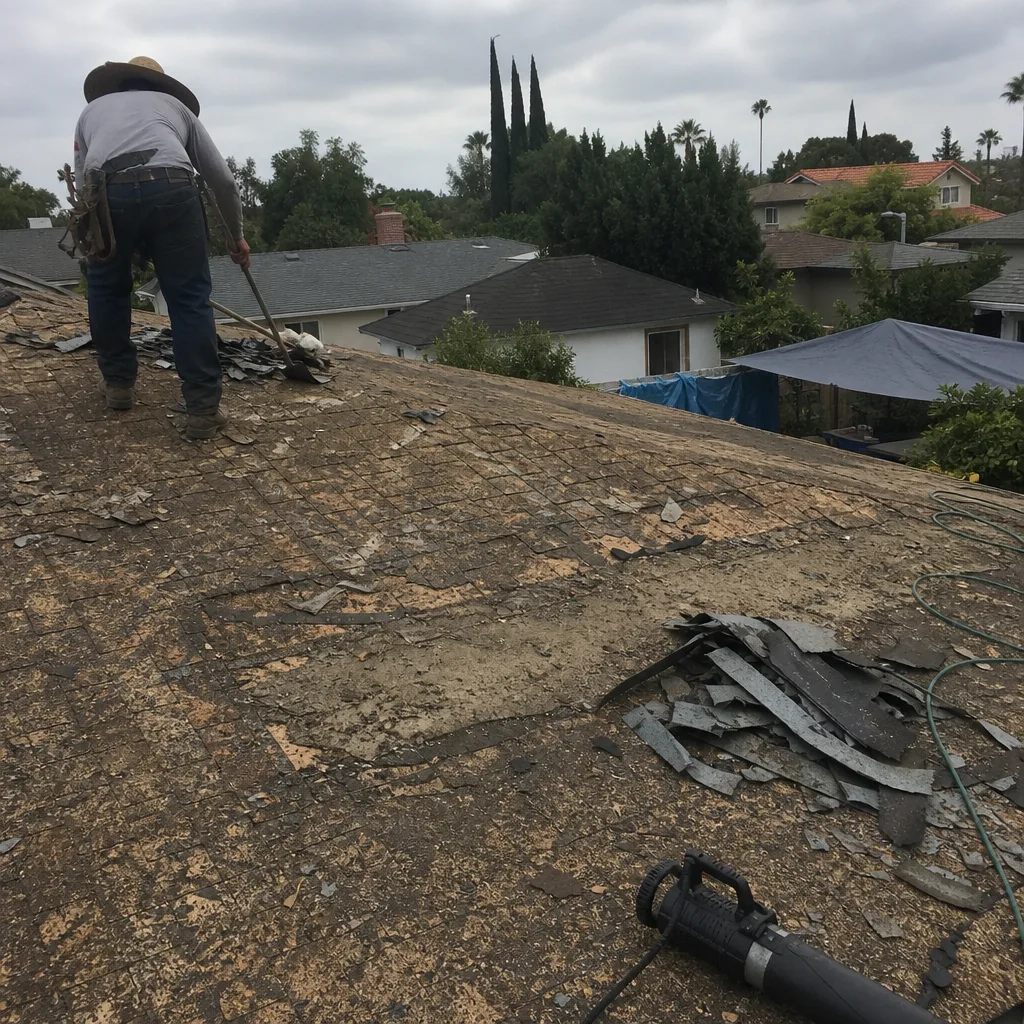 Before
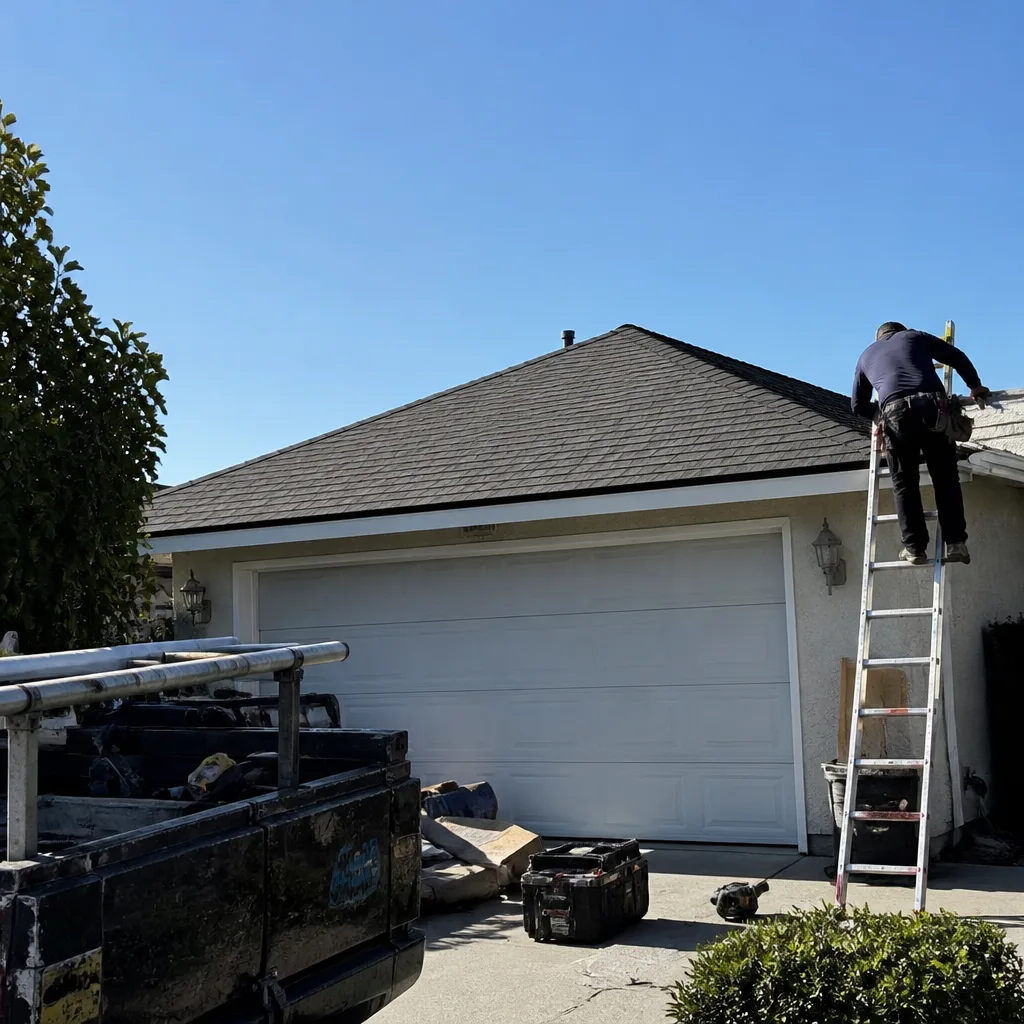 After