Last updated October 31, 2026
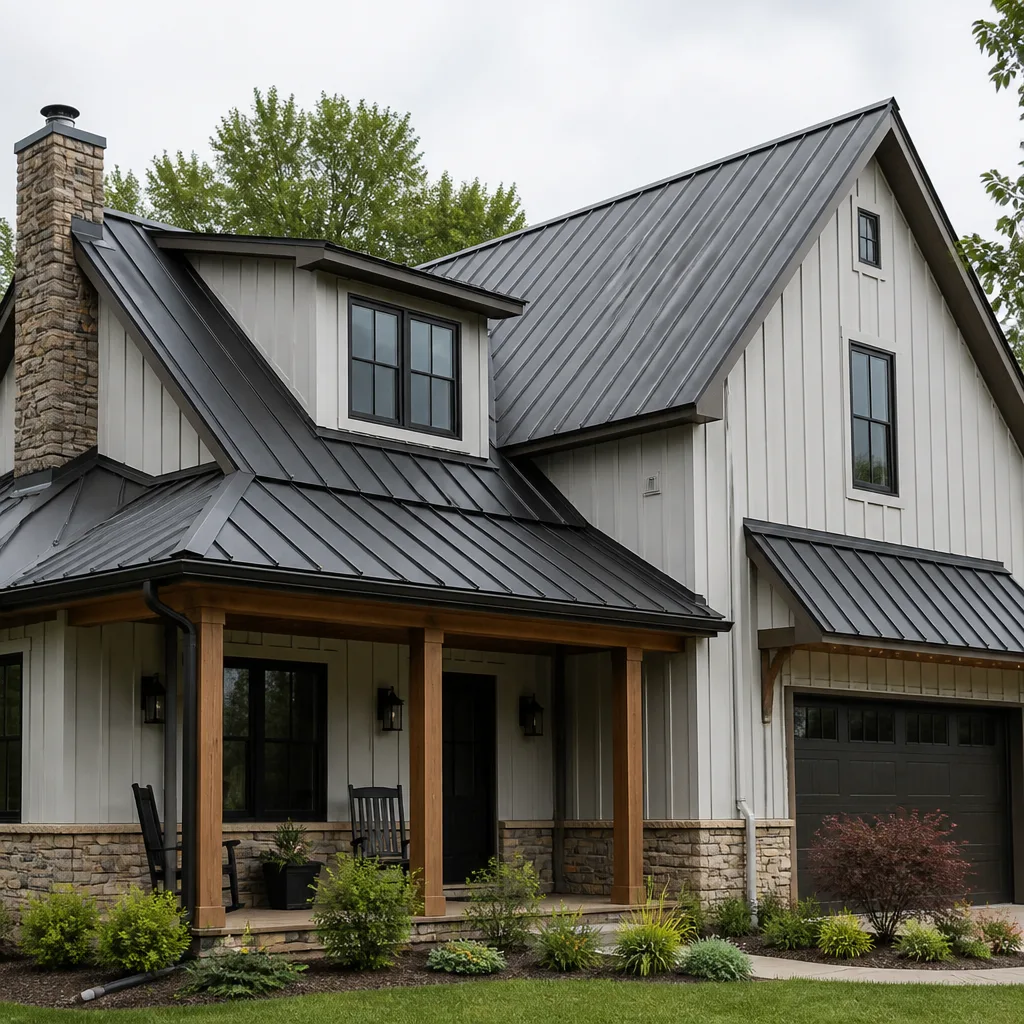 Metal roofing
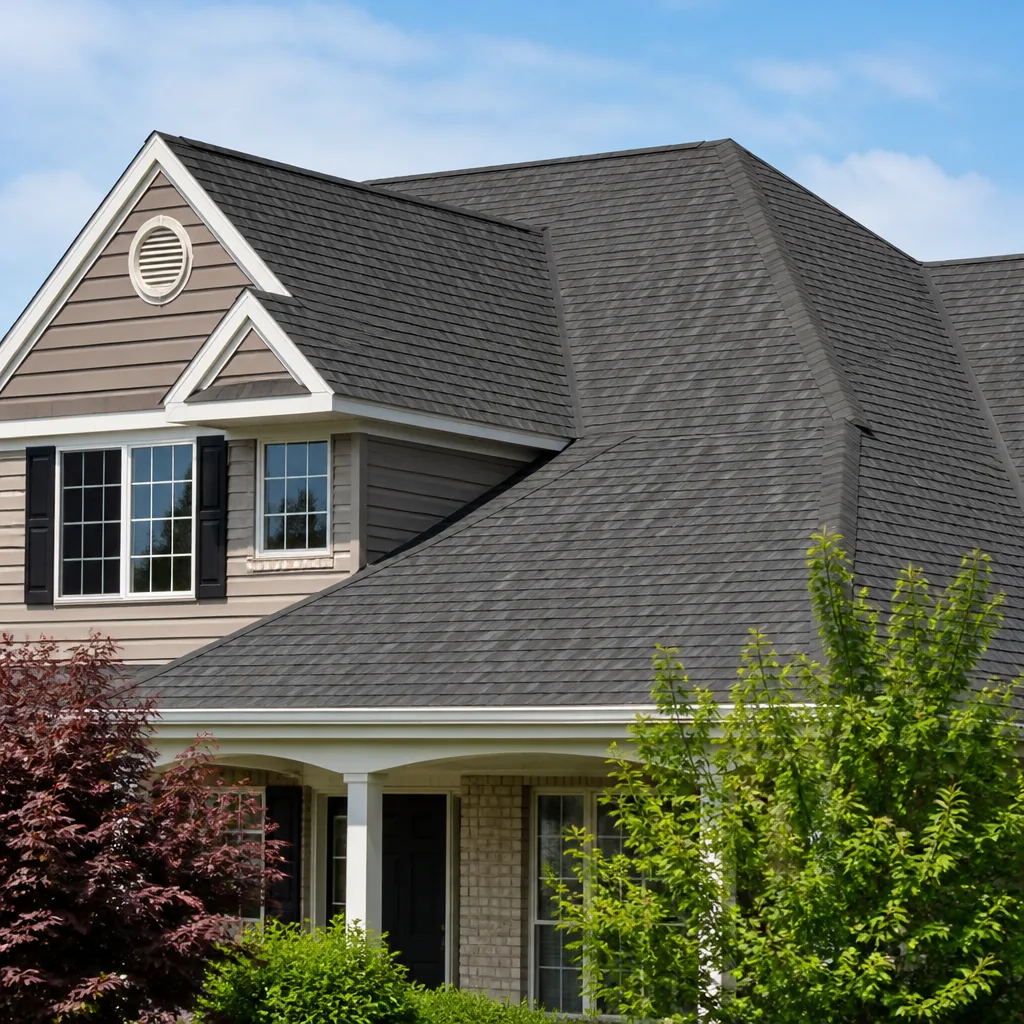 Architectural shingles
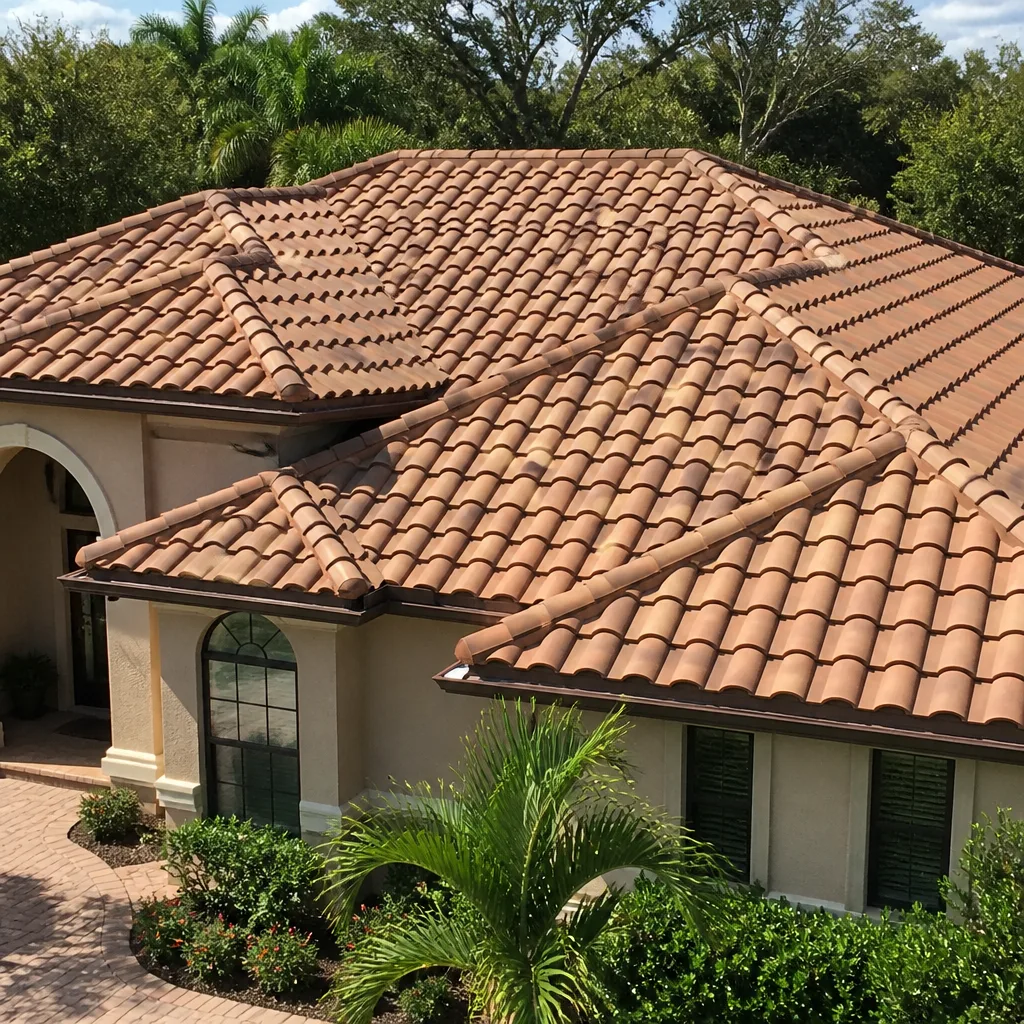 Tile roofing
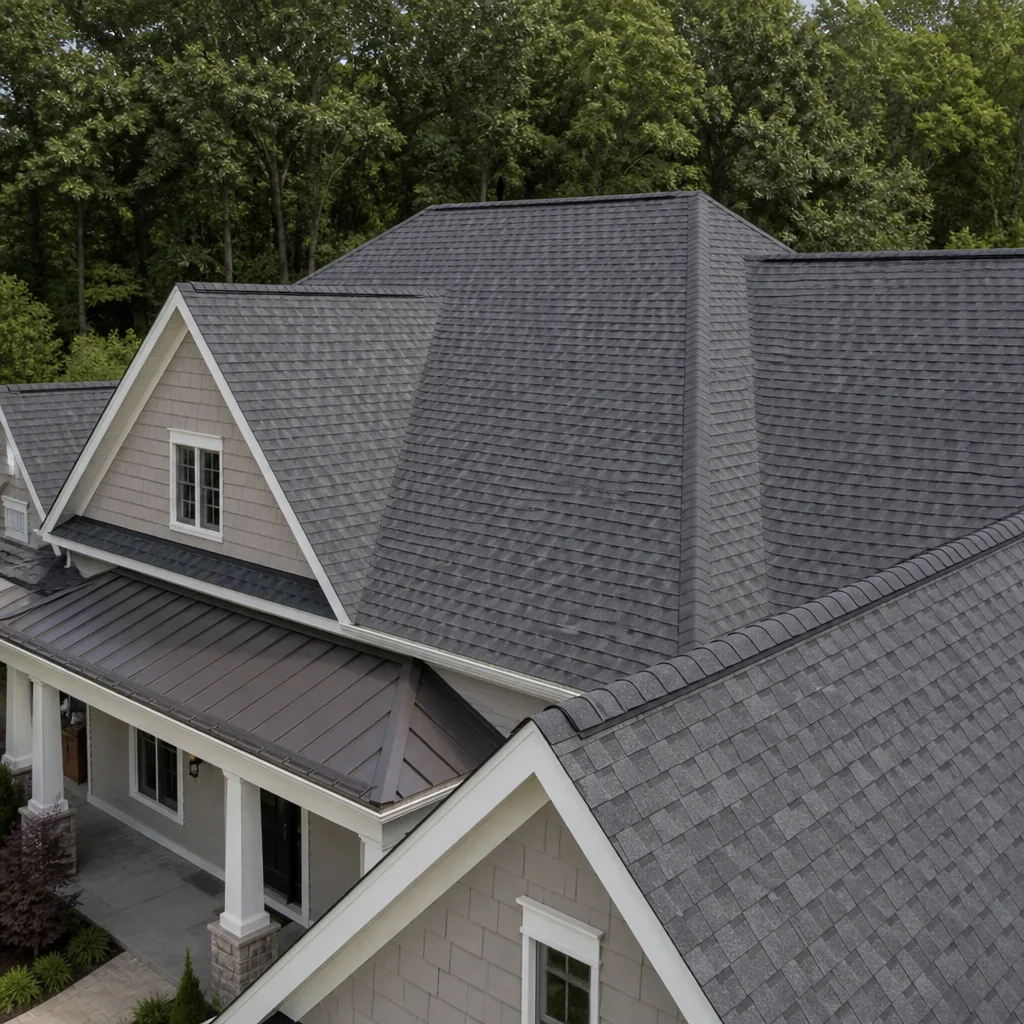 GAF
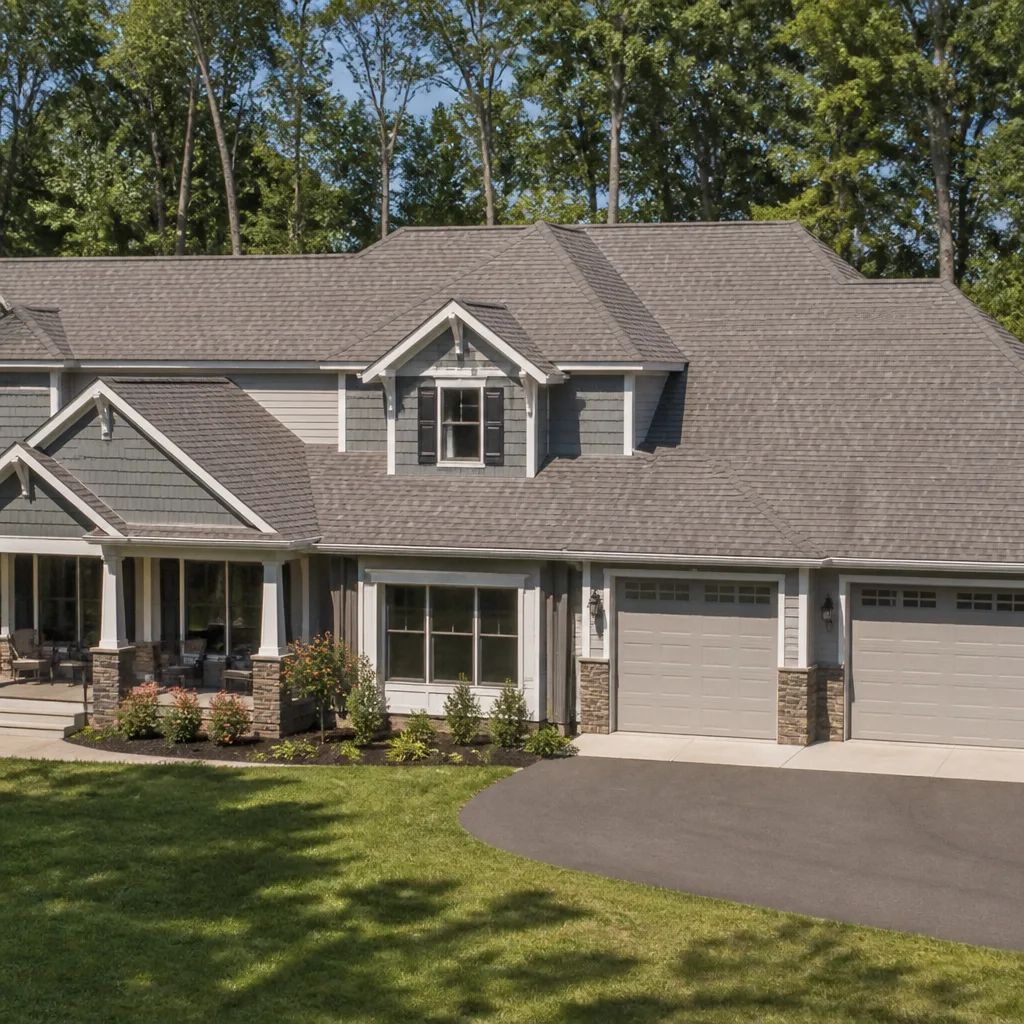 Owens Corning
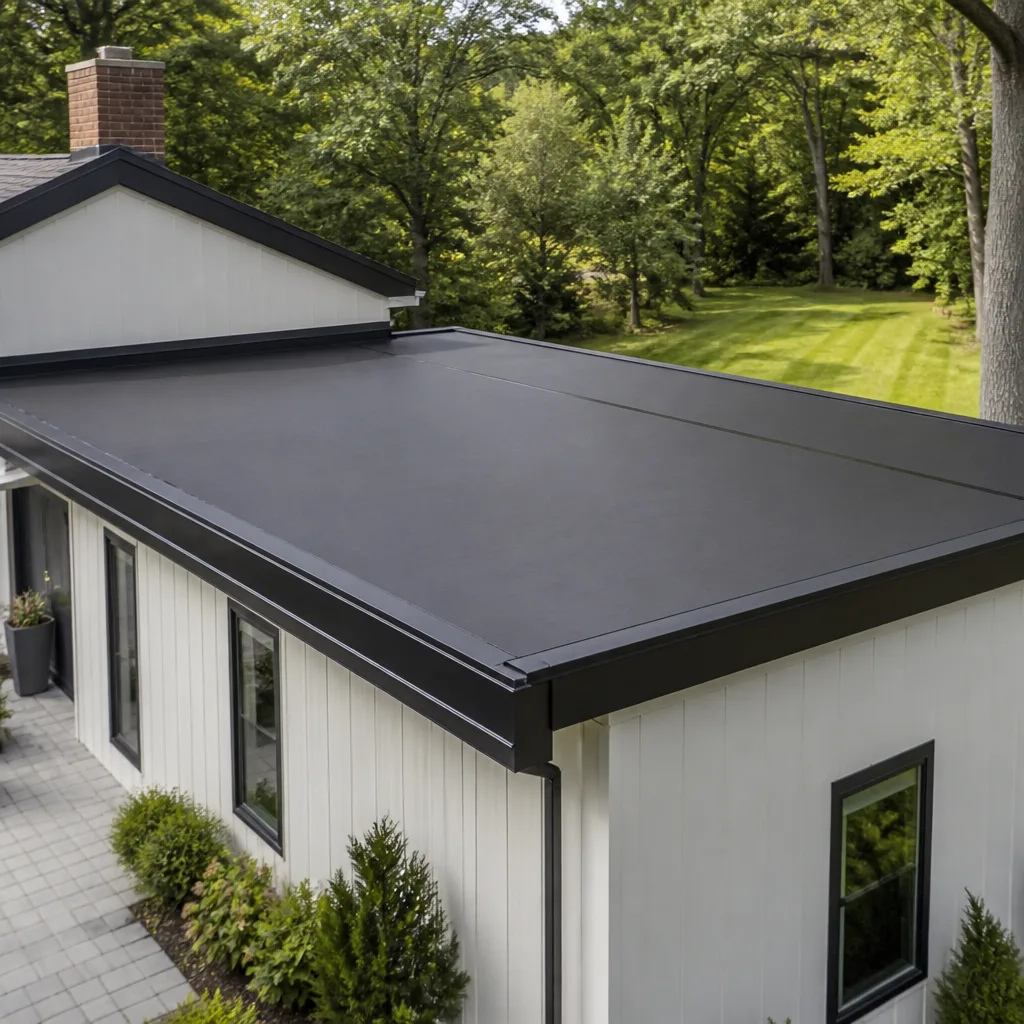 Flat & low-slope
Free roof inspection with deck photos before we talk money - GAF and Owens Corning certified installation
DIY vs Professional Roofing: The La Habra Homeowner’s Decision Guide
In California, a homeowner can legally pull a permit and reroof their own house. No license required, no contractor exam, no proof of competence. But the moment that house goes on the market, every unpermitted nail becomes a disclosure item. We’ve watched La Habra homeowners save $4,000 on a DIY patch only to lose $40,000 in escrow when the buyer’s inspector flags the work and the lender balks. This guide walks through exactly where California law draws the line, what La Habra’s local ordinances add on top of that, which repairs are genuinely safe to attempt, and which ones will cost you ten times the savings if you get them wrong.
Styles & brands we work with
Quick Answer
Most La Habra homeowners can safely handle basic roof maintenance like gutter clearing, debris removal, and visual inspection from the ground or a ladder. But any repair that involves lifting shingles, resealing flashing, or working on the roof surface itself belongs in the hands of a licensed professional. The deciding factors aren’t skill or courage. They’re California’s permit laws, your homeowner’s insurance policy language, your manufacturer’s warranty fine print, and the resale disclosure rules that will come back to haunt you at closing.
Table of Contents
- What California Law Actually Allows
- La Habra Local Ordinances That Change the Equation
- The Low-Risk DIY Tasks (And Why They’re Low-Risk)
- The High-Risk Tasks You Should Never DIY
- How DIY Work Affects Warranties, Insurance, and Resale Disclosure
- Real Cost Comparison: DIY vs. Contractor on Three Common Repairs
- The Hybrid Approach: What Experienced Homeowners Actually Do
- Common Mistakes to Avoid
- When to Call a Professional
- Frequently Asked Questions
- The Bottom Line
What California Law Actually Allows
California Business and Professions Code Section 7048 contains the single most important sentence for any La Habra homeowner thinking about roof work: an owner-builder exemption that lets you act as your own contractor on your own residence. You can pull a permit, do the labor yourself, and hire day workers to help. What you can’t do is hire an unlicensed person to run the job for you. If you hire someone who isn’t a licensed roofing contractor, and that person makes any structural decision, directs the work, or manages the materials, you’re not the owner-builder anymore. You’re the employer of an illegal contractor, and your liability just multiplied.
The permit question is where most DIY roof projects in La Habra stumble. California Building Code requires a permit for any roof work that involves structural changes, re-roofing beyond a small repair area, or replacement of the roof covering. The state’s “one-square rule” from California Residential Code Section R908.9.1 is the real tripwire: you’re allowed to repair up to 10% of your roof area in a 12-month period without a permit. That’s one “square” in roofing terms, or 100 square feet. Go beyond it, and the building department can issue a stop-work order, assess penalties, and require you to expose the work for inspection, which means removing and redoing the shingles you just installed.
In practice, a single torn shingle or small leak patch stays under the threshold. A full re-roof never does. Even a partial re-roof of one entire slope falls outside the exemption on most La Habra homes, where a typical front or rear roof plane runs 400 to 800 square feet. The owner-builder route also carries a lingering requirement you can’t outrun: California Civil Code Section 1102 disclosures. If you do unpermitted work and later sell your house, you must tell the buyer. If you don’t, and the buyer finds out after closing, you can be sued for nondisclosure, fraud, or both. This isn’t theoretical. We’ve seen it happen in La Habra more than once.
La Habra Local Ordinances That Change the Equation
La Habra sits mostly in Orange County with a sliver extending into Los Angeles County, and both counties adopt the California Building Code with local amendments. The City of La Habra Building Division issues its own permits through the Community Development Department, not through a county office. That means La Habra-specific requirements apply: the city follows the 2022 California Building Code with local amendments, and any roof work on a residential structure must comply with the city’s specific ventilation, underlayment, and fastening requirements for the region’s seismic and wind zones.
The climate piece matters more than most homeowners realize. La Habra gets hot, dry summers with Santa Ana wind events that hit 50 to 70 mph in exposed foothill neighborhoods like West La Habra and La Habra Heights. The city’s wind exposure maps put many residential areas in the zone that requires enhanced nail patterns and sealed underlayment at eaves and rakes. If you DIY a patch with a standard four-nail-per-shingle pattern, you might meet the letter of the code for a low-wind area but fail the La Habra-specific requirement for six nails in high-wind zones. That means the shingle warranty is void, not just weakened.
Another local wrinkle: La Habra is an older city. The median home age runs 50 to 60 years in neighborhoods like North La Habra and the Coyote Hills-adjacent streets. Many roofs have original skip sheathing, not plywood or OSB. Modern shingle fastening requirements assume solid decking. When a homeowner nails new shingles onto spaced boards and doesn’t repair the decking first, the shingles pull loose within a season or two. That’s not a skill problem. It’s a code-compliance problem, and it’s exactly the kind of thing a La Habra building inspector will flag.
The Low-Risk DIY Tasks (And Why They’re Low-Risk)
There are roof-adjacent jobs that are genuinely fine for most homeowners. The common thread: you’re not altering the roof system, you’re not lifting or penetrating the waterproofing layer, and you can do the work from a ladder or from the ground. These tasks don’t trigger permits, don’t affect warranties, and don’t create disclosure headaches.
1. Gutter and Downspout Clearing
Clogged gutters in La Habra are mostly a leaf-and-silt problem, not a needle problem. Eucalyptus and pepper trees shed constantly in older neighborhoods, and a single season of neglect can back water up under the roof edge. Cleaning them twice a year, once before the fall rain season and once after, is genuinely safe for a homeowner on a ladder with a second person footing it. The roof edge stays dry, and no roofing material gets altered.
2. Visual Inspection From the Ground and Eaves
You can spot a surprising amount without ever setting foot on the roof surface. Granule loss shows up as dark patches on shingles when viewed from the gutter line or from across the street. Curling shingle edges catch morning light and create visible shadows. Cracked flashing at penetrations reflects differently than unbroken metal. Even a slow drip along a fascia board leaves a stain you can see from the yard. One caveat: never use binoculars. Your depth perception disappears and you’ll misjudge what you’re seeing. Walk the property line and look methodically at each slope.
3. Debris Removal From Roof Valleys
If you have a shallow slope you can reach with a roof rake from a ladder, clearing leaves and twigs from valleys is worth doing. Valleys concentrate water flow, and debris in a valley turns a clean drainage channel into a dam. The key rule: work from the ladder, never stand on the roof surface. If you can’t reach it with a rake, leave it alone.
4. Attic Inspection After Rainfall
The most useful diagnostic work you can do yourself happens inside, not outside. After a heavy rain, go into your attic on a bright day with the lights off. Look for pinpoints of daylight, which indicate holes in the decking. Look for dark discoloration on rafters or decking, which is the moisture trail from an active leak. Smell for mustiness. Map any stains so you can point a roofer to the right area. This is free, safe, and genuinely helpful.
The High-Risk Tasks You Should Never DIY
Now the other side. Some jobs look simple from a YouTube video and aren’t. Others look hard and are even harder. Here’s the line, drawn from almost a decade of seeing what happens when La Habra homeowners cross it.
1. Lifting or Replacing Shingles
The moment you lift a shingle, you’re re-waterproofing the roof. You break the seal strip, remove existing fasteners, and commit yourself to installing new fasteners through the old shingle’s adhesive. If you nail through the seal strip of the shingle above, if you miss the nail line, if you overdrive or underdrive a single nail, you’ve created a path for water. Worse, you’ve created a problem that doesn’t show up immediately. The leak appears six months later, in a rainstorm, after you’ve forgotten you touched that area. Our Roof Repair in La Habra page goes into greater detail about what proper shingle repair requires. The short version: it’s not a one-nail job. It’s a system repair that often requires replacement across a larger area than the visible damage.
2. Flashing Work Around Chimneys, Vents, or Skylights
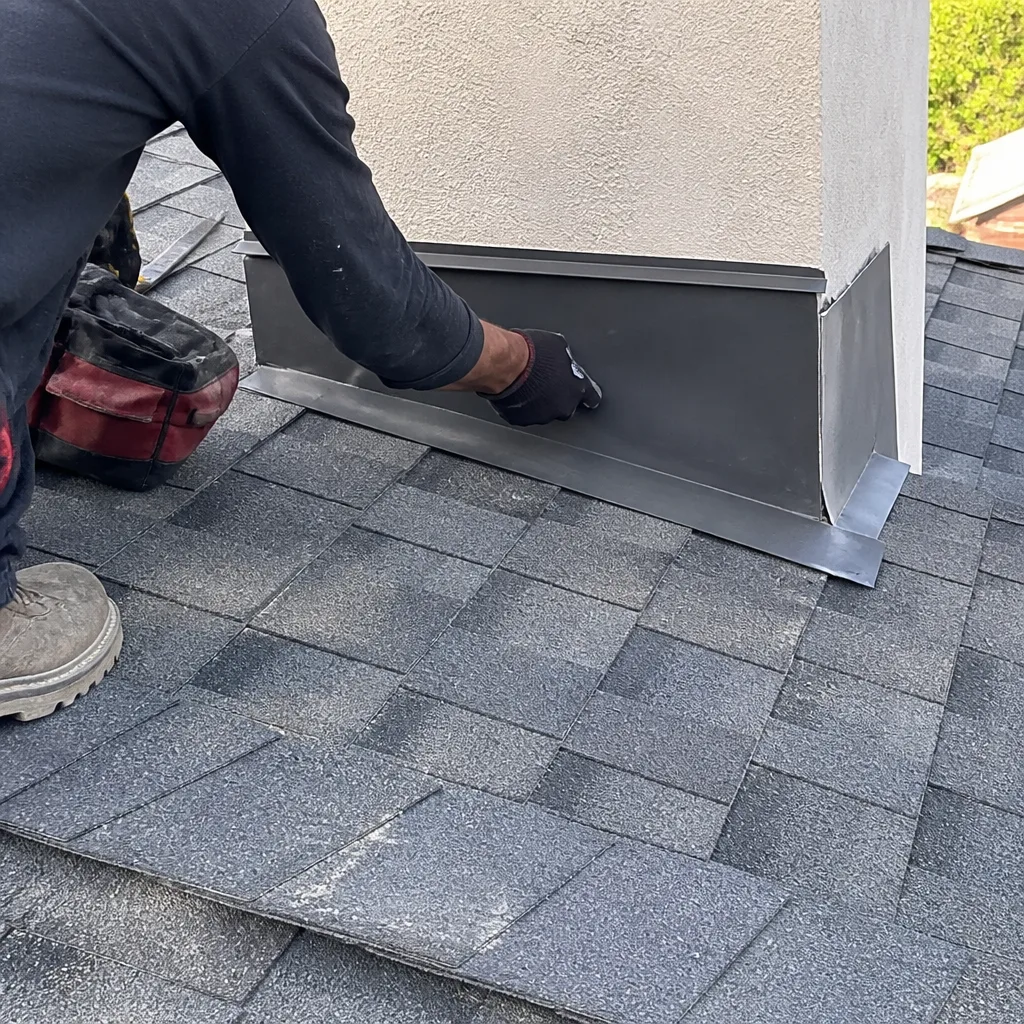
Flashing is where roofs actually leak. La Habra homes built in the 1960s and 1970s often have original galvanized flashing at chimney bases and plumbing penetrations. It corrodes at the solder joints, cracks along the bend lines, and pulls away from the masonry as the house settles through Santa Ana heat cycles. Resealing flashing with caulk or roofing cement from a big-box store is the most common DIY mistake we see. Caulik and tar harden, crack, and separate within a season. The correct fix requires cutting back the old flashing, installing new sheet metal with proper overlaps, and securing it under the shingle course above. That’s not a patch. That’s a re-flash, and it’s contractor work.
3. Working on a Steep Roof or a Two-Story Roof
La Habra has a lot of two-story ranch-style homes from the 1950s and 1960s, especially in the central and southern tracts. A fall from a two-story eave is a hospital event or a funeral. Steep pitches over 6/12 add another layer: even experienced roofers use toe boards, jacks, and harnesses on those slopes. No amount of money saved on a DIY repair justifies a spinal injury. This isn’t a skill question. It’s a physics question, and physics doesn’t care how careful you plan to be.
4. Full or Partial Re-roofing
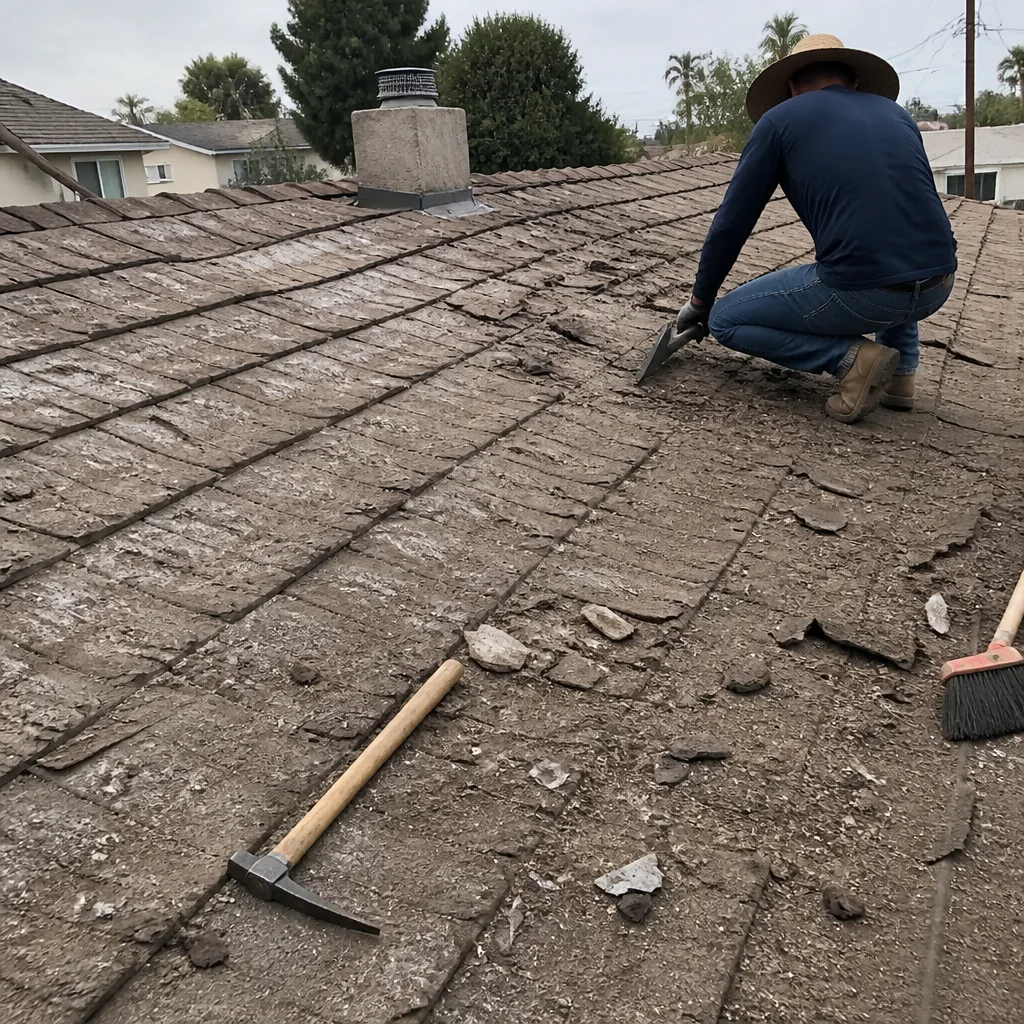
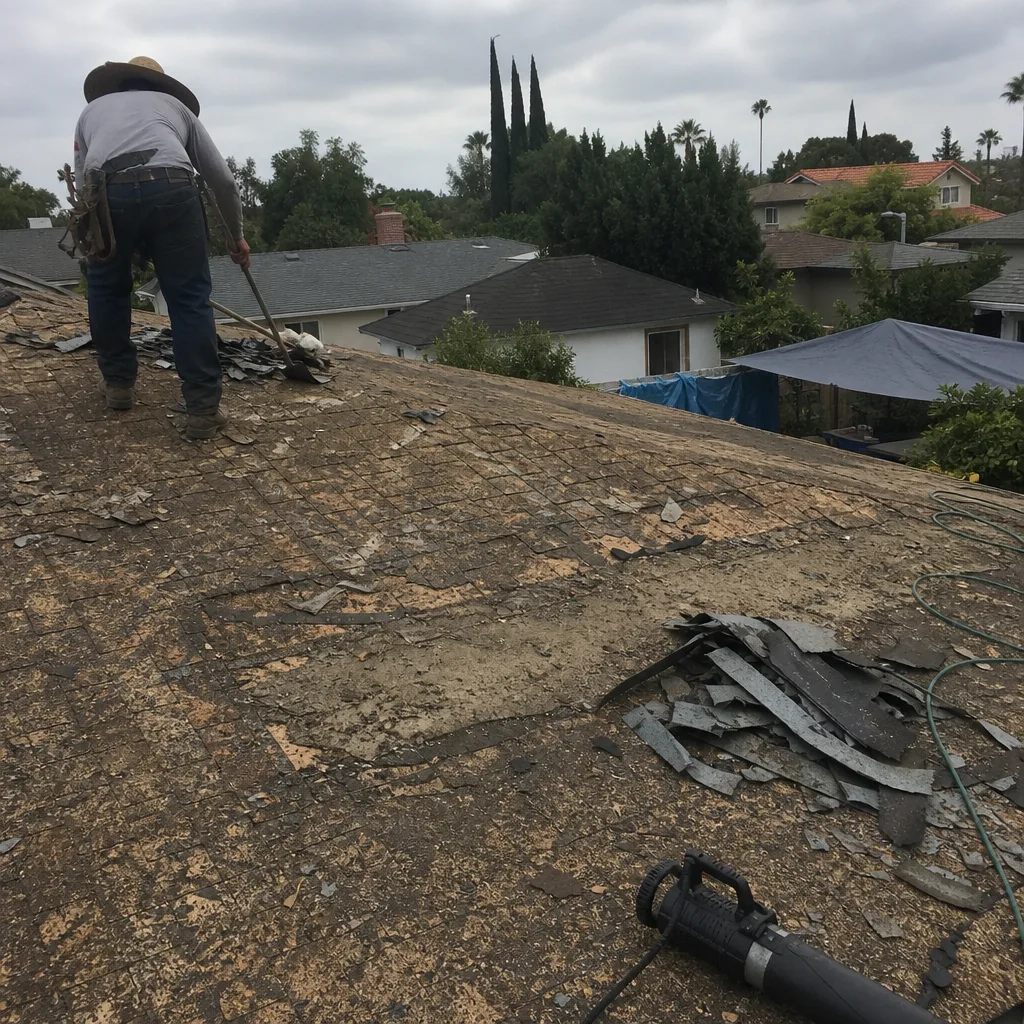
This one should be obvious, but the owner-builder permit option makes it seductive. Yes, you can legally pull a permit and re-roof your own La Habra home. No, you shouldn’t. A full re-roof involves tear-off, decking inspection, underlayment, starter courses, field courses, hip and ridge caps, flashing reinstallation, and ventilation calibration. Missing one step voids the shingle warranty. Getting one detail wrong concentrates water somewhere it will cause framed-structure damage you won’t see for years. And if you ever sell, the buyer’s inspector will know the difference between a professional installation and an owner-builder job. They’re trained to look. They always find it. See our Roof Replacement in La Habra guide for the full scope of what a proper re-roof involves.
How DIY Work Affects Warranties, Insurance, and Resale Disclosure
Here’s what the YouTube tutorials never mention. The shingle you buy at the supply house carries a manufacturer’s warranty that is void unless the installation meets the manufacturer’s published specifications. Brands like GAF, CertainTeed, Owens Corning, and IKO all publish installation manuals that run hundreds of pages. They specify nail type, nail head size, nail placement, course offset, underlayment type, ventilation ratio, and fastener pattern by wind zone. If you install shingles yourself and the roof fails in year three, your warranty claim dies the moment the manufacturer’s inspector determines the installation didn’t meet spec. That inspector works for the manufacturer. They are not your ally.
Homeowner’s insurance is the second trap. Most policies in California contain a clause requiring the homeowner to maintain the property in good condition and make repairs in a workmanlike manner. The insurance company doesn’t require a licensed contractor, but it does require competent work. If a DIY patch fails and water damage results, the insurer can deny the subsequent claim by arguing negligence. We’ve seen this happen in La Habra after heavy El Niño winters. The homeowner patches a valley in August, the patch fails in February, and the insurer denies the interior damage claim because the “cause of loss” was the homeowner’s faulty repair, not a covered peril. That’s a five-figure loss on top of the original roofing problem.
Resale disclosure is the third leg of the stool. Since 2019, the California Legislature has tightened disclosure requirements under Civil Code Section 1102.6. Sellers must disclose any modification, repair, or alteration done without a permit or not in compliance with building codes. The California Residential Purchase Agreement contains specific questions about roof condition and past repairs. If you DIY a repair that technically required a permit and don’t disclose it, the buyer can rescind the contract, demand a price reduction, or sue after closing. La Habra real estate agents tend to be blunt about this: a comp that has an unpermitted roof repair sells for less than a comp with a clean roof history, all else equal.
Real Cost Comparison: DIY vs. Contractor on Three Common Repairs
Numbers matter. Here’s what three typical La Habra roof repairs actually cost, DIY versus contractor, using current SoCal material prices and typical labor rates for licensed La Habra roofing crews.
Scenario 1: Replacing 3 Torn Shingles After a Windstorm
- DIY cost: $18 to $35 for a bundle of matching shingles, a pound of roofing nails, a tube of roofing sealant, and a flat pry bar. Time: 1 to 2 hours if you already own a ladder and hammer. Total: roughly $25 to $35 in hard costs.
- Contractor cost: $150 to $275. Most La Habra roofers charge a minimum service call that covers the first hour of labor plus materials. If the shingles are readily available and the repair is simple, the bill stays at the minimum.
- Verdict: This is one of the few genuinely justifiable DIY repairs, provided the shingles are reachable from a ladder, the roof pitch is walkable, and you’re willing to do the work right. The savings are real, but so is the risk: a botched nail line creates a leak that costs more to diagnose and fix than the original repair would have cost from a contractor. Do it only if you’re meticulous and honest about your skill.
Scenario 2: Repairing a Leak Around a Plumbing Vent Pipe
- DIY cost: $8 for a tube of roofing sealant, plus $15 for a replacement rubber boot if you’re ambitious. Time: 30 minutes for the caulk approach, 2 hours for the boot replacement. Total: $8 to $25.
- Contractor cost: $300 to $600. The job requires cutting back the shingles around the vent, removing the old flashing, installing a new lead or rubber boot with proper shinglecourse integration, and re-fastening everything with the correct overlap. Most La Habra roofers can do it in under two hours.
- Verdict: The caulk approach is a temporary fix that lasts one season in La Habra’s temperature swings. The boot replacement looks simple but typically voids the shingle warranty if done incorrectly. This is a case where the DIY savings are an illusion: the $8 fix becomes a $300 professional repair plus the interior damage you didn’t prevent.
Scenario 3: Replacing a Valley Section (6 Linear Feet)
- DIY cost: $80 to $150 for valley metal, underlayment, roofing nails, sealant, and rented safety equipment. Time: a full weekend for a first-timer. Total: roughly $100 to $150 in hard costs plus however much your weekend is worth.
- Contractor cost: $700 to $1,200. A valley replacement requires stripping the shingles from both sides of the valley, inspecting the decking for rot, replacing deteriorated underlayment, installing new valley metal, re-shingling both sides with proper cut lines, and sealing the edges. Most crews take four to six hours.
- Verdict: Never DIY a valley. If the valley metal is leaking, it’s because the original installation failed or the metal has corroded through. Either way, the underlying decking is likely wet or rotted. A homeowner who replaces the metal without addressing the decking gets a valley that looks fine and leaks within a year. The professional repair costs more because it fixes the whole system, not just the visible failure.
The Hybrid Approach: What Experienced Homeowners Actually Do
You don’t have to choose between full DIY and full professional. The smartest homeowners we work with in La Habra use a hybrid model that divides roof work into three categories: what you do yourself, what you hire out partly, and what you never touch.
The DIY List (Safe With Care)
- Clear gutters and downspouts twice a year, more often if you have eucalyptus or pepper trees overhanging the roof.
- Remove debris from roof valleys using a roof rake from a ladder, never by walking on the roof surface.
- Inspect the attic after heavy rain and map any water stains or daylight penetrations.
- Photograph the roof from the ground at different times of day to document granule loss, curling shingles, and flashing damage.
- Trim back tree branches that overhang the roof and scrape shingles during wind events. This is preventive maintenance, not roofing work.
The Hire-Out-Partly List (Contractor Does the Hazardous Part)
- Have a roofer do the actual shingle or flashing repair, but do your own pre-repair attic mapping so you can point them to the right area. This saves the diagnostic time you’d otherwise pay for.
- After a professional repair or replacement, do your own post-rain interior checks to verify the fix held. If it didn’t, document the evidence and call the roofer back.
- Have a roofer handle the work, but buy and store extra shingles from the same batch so future small repairs can match. Ask the crew to leave you any leftover material and label it with the installation date.
The Never-Touch List
- Any work requiring removal of existing shingles or flashing.
- Any work on a roof pitch you wouldn’t be comfortable walking without handrails.
- Any work on a two-story roof or a roof you can’t safely reach with a ladder placed on stable footing.
- Any work that involves electrical, plumbing, or HVAC penetrations.
- Any work triggered by storm damage where you plan to file an insurance claim. Insurance adjusters want to see professional documentation, and DIY repair before the adjuster visits can complicate or void the claim.
This hybrid approach is the realistic answer to the DIY question. You stay involved, you stay informed, and you don’t spend money on things you can do safely yourself. But you also don’t gamble your roof’s waterproofing, your warranty coverage, or your resale value on a video tutorial.
Common Mistakes to Avoid
- Using roofing cement or silicone caulk as a permanent fix. In La Habra’s summer heat, these materials bake and crack within months. They’re temporary at best, and they make the eventual professional repair harder because someone has to scrape away the old sealant.
- Buying cheap shingles from a big-box store for a patch. Big-box shingles are often a different weight, color, or profile than what’s on your roof. The patch is visibly wrong, and the shingle warranty from the original installation is now void because you’ve mixed products.
- Nailing through the seal strip. This is the single most common DIY roofing error. Nails that puncture the seal strip create a direct water-entry point and prevent the shingle above from bonding properly. Every nail has a correct placement. Most YouTube videos gloss over this.
- Assuming “one square” means one square foot. In roofing terminology, a “square” is 100 square feet. California’s 10% rule for unpermitted repairs means you can repair 100 square feet per 12-month period on a 1,000-square-foot roof. Misunderstanding this math has led more than one La Habra homeowner to exceed the exemption accidentally.
- Filing an insurance claim after doing your own repair. If you patch a storm-damaged area yourself and then file a claim for the remaining damage, the adjuster may question whether the original damage was as extensive as claimed. Have an adjuster document storm damage before you touch anything.
- Ignoring La Habra’s wind zone requirements. Standard nail patterns that pass inspection in low-wind areas may not meet La Habra’s enhanced requirements for hillside and Santa Ana-exposed neighborhoods. Failing to account for this voids the shingle warranty and creates a long-term liability.
- Underestimating the value of a paper trail. A professional contractor gives you a written scope of work, a permit record, and a workmanship warranty. That paper trail is worth money when you sell. A DIY patch has no paper trail. In La Habra’s competitive real estate market, that difference matters.
When to Call a Professional
Call a licensed roofer if you see any of these: water stains on your ceiling or walls, daylight visible through the attic decking, shingles that are cracked, curled, or missing in more than a small isolated area, granules accumulating in your gutters, flashing that’s pulling away from chimneys or vents, or any damage after a Santa Ana wind event. These aren’t DIY jobs, and the cost of a professional repair is a fraction of the cost of a DIY failure that leads to interior damage. Dauntless Roof Repair offers free estimates in La Habra, and we’ll give you a straight answer about what’s actually wrong. Call (844) 750-0317 to schedule one. See our Roof Inspection in La Habra page to understand what a full inspection covers and why it’s worth doing before you commit to any repair path.
Frequently Asked Questions
Yes, California’s owner-builder exemption lets homeowners perform certain roof repairs on their own residence without holding a contractor’s license, as long as the work stays within the 100-square-foot limit per 12 months and doesn’t require a structural permit. No permit means no legal problem, but any work beyond the one-square threshold is supposed to be permitted, and unpermitted work becomes a disclosure item when you sell. If you’re not sure whether your specific repair falls inside the exemption, call the La Habra Building Division before you start.
A typical small repair costs $150 to $275 through a licensed contractor, which covers the minimum service call, materials, and the contractor’s insurance and overhead. DIY materials for the same job run $25 to $35. The difference looks significant until you account for the risk: a failed DIY repair can cause interior damage that costs thousands to remediate, and your shingle warranty is typically void if an unqualified person does the work. For exact pricing on your specific issue, call (844) 750-0317 and we’ll give you a written estimate for free.
It almost certainly will. Manufacturers like GAF, CertainTeed, Tamko, and Owens Corning condition their warranties on installation by trained and authorized professionals following the manufacturer’s published specifications. A homeowner-installed repair, even a small one, gives the manufacturer grounds to deny a future warranty claim. If your roof is under warranty and it fails in the area you touched, you’ll likely be on your own for the full repair cost.
Gutter and downspout clearing, debris removal from valleys using a roof rake from a ladder, visual inspection from the ground, and attic inspection after rainfall are all safe, useful tasks that don’t alter the roof system. You can also trim back tree branches that overhang and scrape your shingles. Anything that involves lifting, replacing, or sealing shingles or flashing is no longer safe DIY territory.
It depends on what caused the leak and when the damage occurred. If a covered peril like a windstorm damaged your roof and water came through, your policy typically covers the resulting interior damage regardless of who repairs the roof later. But if your own DIY patch fails and lets water in later, the insurer may deny the new claim by arguing the loss resulted from faulty workmanship, which is excluded from standard policies. Document damage thoroughly before doing any work, and consider having a professional handle storm repairs when an insurance claim is likely.
Small, isolated damage like a few torn shingles usually calls for repair, while widespread curling, granule loss, and multiple leaks across different roof planes usually indicate the roof has reached the end of its service life and should be replaced. The only way to know for sure is a professional inspection that evaluates decking condition, underlayment, flashing, and ventilation, not just the visible shingle surface. Dauntless Roof Repair gives you a straight answer: we’ll tell you exactly what your roof needs, and exactly what it doesn’t. Call (844) 750-0317 to schedule a Roof Inspection in La Habra at no cost.
Yes. The name Dauntless means we don’t walk away from the hard ones. We repair first and replace only when it’s time, and we take on small, partial, and complicated repair jobs that other La Habra roofers won’t touch. If your roof needs a repair rather than a replacement, we’ll do the repair. If it genuinely needs a full replacement, our Roof Replacement in La Habra guide explains the scope and options. You can also learn about our repair-first approach on the Roof Repair in La Habra page or start at our Dauntless Roof Repair home page for the full picture.
The Bottom Line
The DIY versus professional roofing question in La Habra comes down to this: do the safe maintenance work yourself, hire out anything that touches the waterproofing layer, and never let a short-term savings decision become a long-term liability. California law permits owner-builder work, but it also requires disclosure of unpermitted repairs, and the fine print on your shingle warranty and insurance policy treats a homeowner patch as a reason to deny future claims. The hybrid approach gets you involved without putting your roof, your safety, or your resale value at risk. When in doubt, get a free professional assessment. Call (844) 750-0317 and we’ll tell you exactly what your roof needs, and exactly what it doesn’t.
Written by the team at Dauntless Roof Repair, serving La Habra since 2017.
See the difference
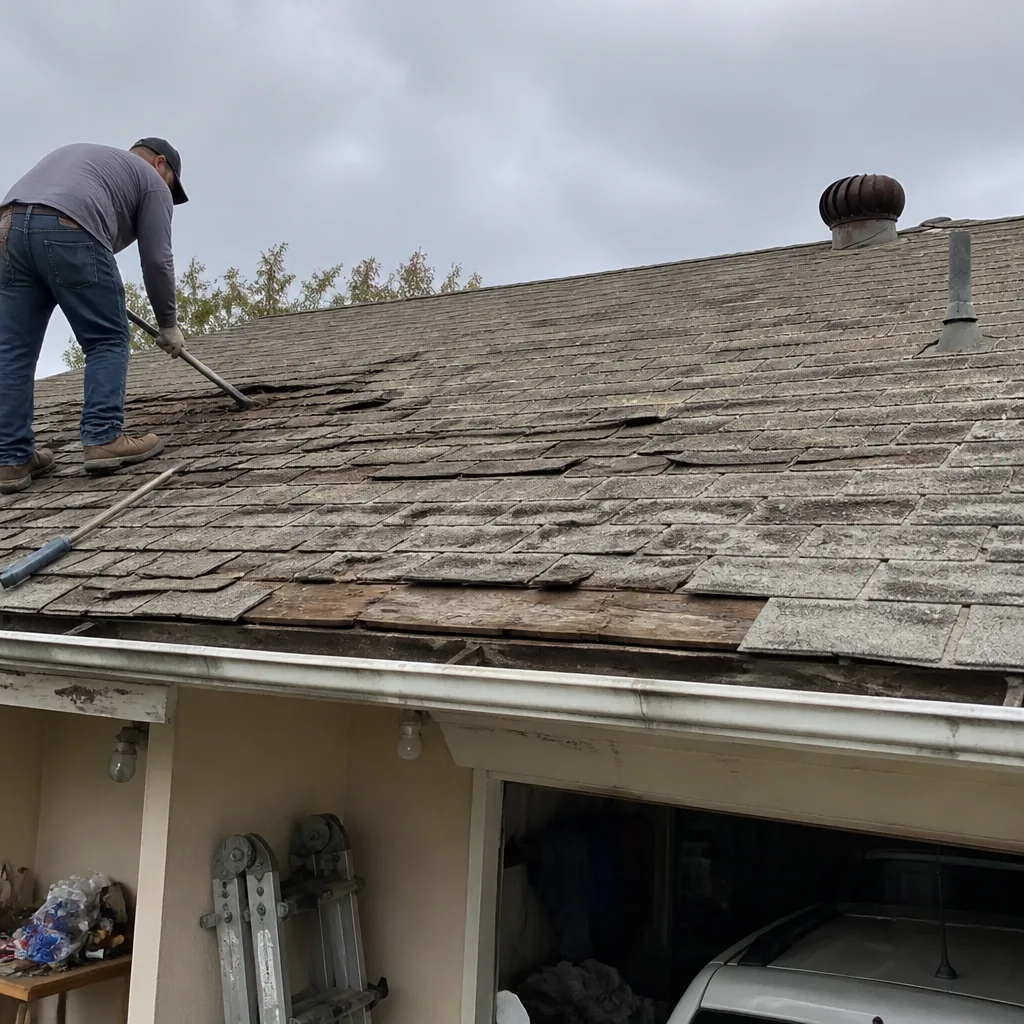 Before
 After
 Before
 After
 Before
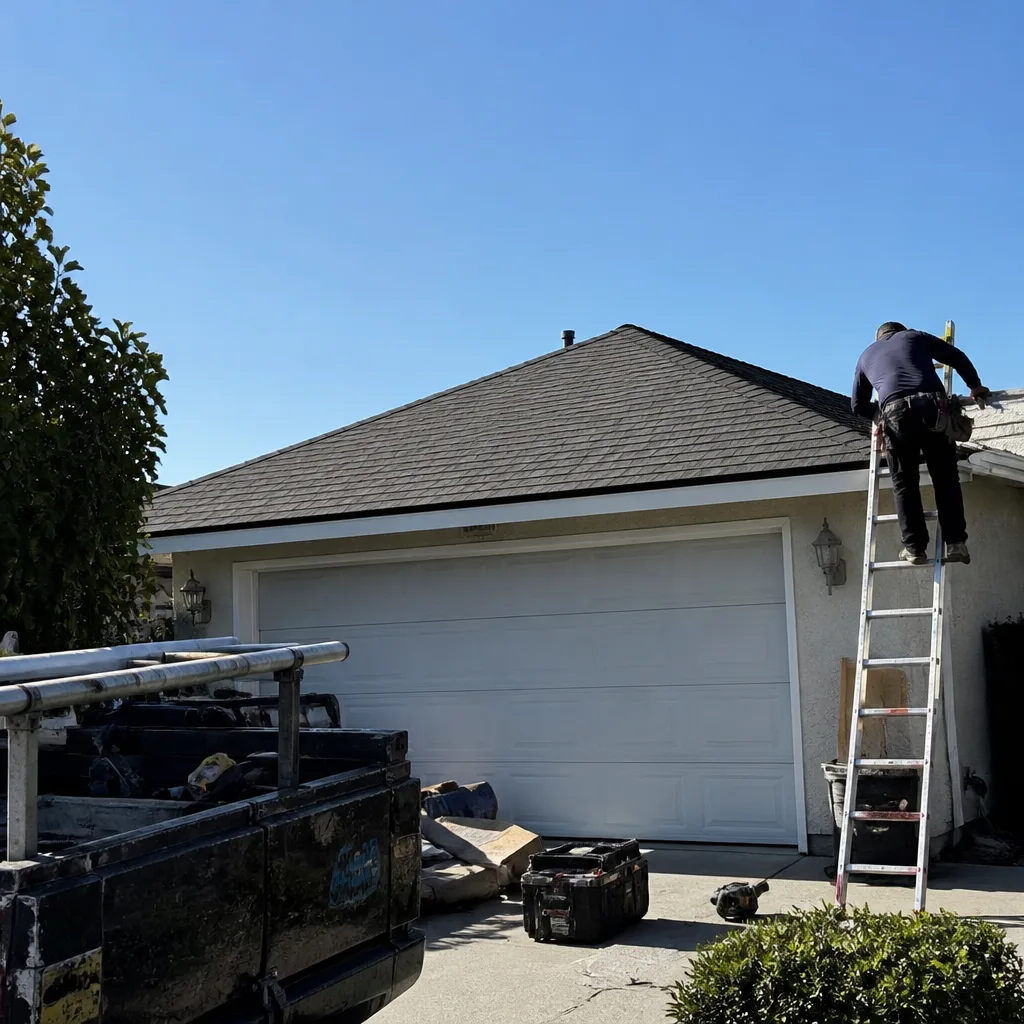 After